


VAYCAI · DESTINATION GUIDE
Kumamoto Prefecture Travel Guide
Kumamoto Prefecture stacks volcanic highlands, coastal paddling, and warm onsen into one compact adventure playground. Plan multi-day hikes on Aso’s caldera rims, swap to sea-kayaking around Amakusa, and finish days in local food markets or a rustic ryokan—each experience fits into a loop you can customize for pace and skill.
Mount AsoKumamoto CastleAmakusa IslandsAso Kuju National Park
Explore experiences ↓Your guide to places, experiences, and adventures.
Places to explore
Choose your next stop.
THE GOOD STUFF STARTS HERE
Experiences in Kumamoto Prefecture.


Kumamoto, Japan
Private Mt. Aso Road Trip: Volcano Views, One Piece Statues & Shrine Stop
from $144.93USD

Kumamoto, Japan
Kumamoto Private Customizable Full-Day Tour: Personalized City Itinerary & Guide
from $287.04USD


Kumamoto, Japan
Kumamoto One Piece Statues Tour - Visit All 10 Life-Size Straw Hat Pirates
from $120.35USD



Kumamoto, Japan
Kumamoto to Aso & Takachiho Day Trip: Myth, Volcano Views & the ASO BOY Train
from $122.72USD

Hitoyoshi, Japan
Kuma Valley Farm Stay: Two-Day Samurai Breakfast Hike & Culinary Retreat
from $241.52USD

Kumamoto, Japan
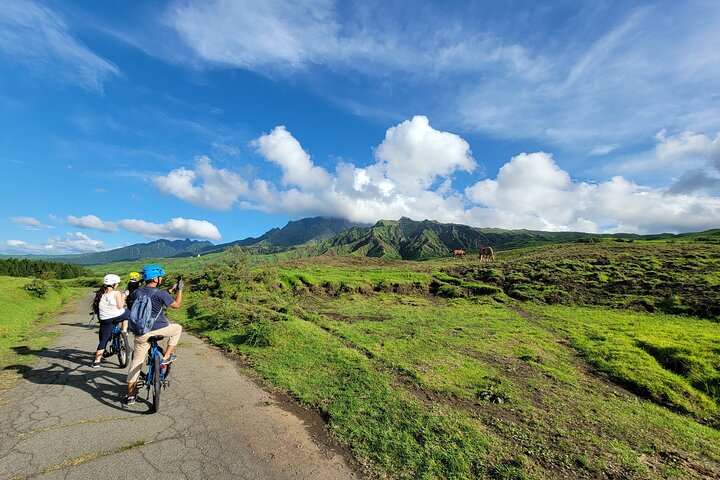
E-Bike Across Mt Aso from Kumamoto Airport — TREK Marlin+ Full-Day Rental
from $97.91USD
Listed starting prices may vary by option, travel date and group size. Confirm the final total and availability on Viator. Sponsored links: we may earn a commission from qualifying bookings.
GET TO KNOW THE PLACE
Why Visit Kumamoto Prefecture
Kumamoto is a study in contrasts: a broad volcanic caldera that lets the wind write across grassy ridges, a jagged coastline that chisels islands from the sea, and a city where samurai history meets contemporary food culture. For travelers seeking active days balanced with restorative evenings, it’s a prefecture that makes different kinds of adventure easy to combine.
Walk into the Aso caldera and you feel the geology underfoot. Centuries of eruptions shaped a landscape of wide basins and steep rims; the ground holds a memory of heat and movement that still nudges the weather. Hikers find trails from gentle grassland loops to steeper ridgelines that demand attention; volcanic soil supports a patchwork of farms and flower fields, and in spring the fields press color against the horizon. Practical note: much of the area is accessible by car or regional bus, but public transit can be sparse for remote trailheads, so plan transfers or rental-car segments when stacking multi-site days.
Culture and history sit close to that raw landscape. Kumamoto Castle anchors the city with samurai stonework and reconstructed keeps, while local markets and izakaya show a food scene focused on charcoal-grilled meats, fresh seafood from the Ariake and Yatsushiro seas, and regional confectionery. Onsen towns dot the route between mountains and coast; after a long hike or a sea day, thermal water eases tired muscles and resets the next morning. Mind the seasonal rhythms: spring and autumn offer the most stable hiking conditions, while summer brings heat and typhoon risk, and winter can close higher routes.
Logistics are straightforward but benefit from planning. Base in Kumamoto City for historical sightseeing and transfers, then distribute nights across Aso and Amakusa to reduce daily driving. Pack for variable conditions—layers and traction for volcanic scree, dry storage for island days—and book ryokan or guided paddling in advance during peak windows. By structuring a loop—mountains to coast to city—you cut repeated backtracking and let each environment show its strengths without rushing.
PLAN YOUR VISIT
When to go.
Best months
April, May, October, November
Weather
Spring and autumn bring mild temperatures and lower precipitation, ideal for hiking and paddling. Summers are warm and humid with occasional storms; winters are cooler and quieter but higher alpine routes can be cold.
Peak season
Cherry blossom season and the Japanese Golden Week (late April–early May) see the busiest crowds; book accommodations and activities well in advance and start days early to avoid congestion.
Beyond the peak
Winter and late autumn offer lower prices and solitude, plus clearer views on calm days; be cautious of muddy trails, limited ferry schedules, and possible snow at higher elevations.
PACK WITH PURPOSE
What to bring.
optional
- Compact binoculars for birding and crater viewing
- Action camera for coastal paddling or summit panoramas
- Picnic kit for ridge-top lunches
essential
- Layered clothing for rapid temperature change
- Sturdy, grippy hiking shoes or boots
- Hydration system and snacks
- Sun protection and sunglasses
- Offline map or GPS and spare battery
recommended
- Light rain shell with pit zips
- Trekking poles for scree and uneven slopes
- Quick-dry towel and small dry bag for island days
- Headlamp for early starts or onsen-town nights
FIND YOUR PACE
Choose your kind of adventure.
advanced
Multi-day backcountry routes and technical coastal conditions requiring advanced navigation, endurance, and contingency planning.
- Multi-day traverses across high Aso ridgelines and volcanic terrain
- Open-water sea kayaking in exposed conditions around Amakusa
- Technical scramble routes on eroded volcanic rock
beginner
Short, low-elevation hikes and easy coastal activities that require minimal technical skill and basic fitness.
- Gentle grassland walks on lower Aso slopes
- Guided snorkeling or easy sea-kayak bays in Amakusa
- City cycling and food-market explorations in Kumamoto
intermediate
Longer day hikes and coastal paddling that demand route-finding, stronger endurance, and some comfort with exposure.
- Crater-rim ridge hikes with varied footing
- Multi-hour sea-kayak crossings between islands with currents
- Moderate mountain biking on dirt country roads
BEFORE YOU GO
Your questions, answered.
Do I need a guide for hiking Mount Aso?
You can do many day hikes independently if trails are open and weather is stable, but guides are recommended for remote or ridge routes and during variable volcanic conditions.
How do I get between Kumamoto City, Aso, and the Amakusa Islands?
A mix of regional trains, buses, and rental cars connects these areas; driving saves time and offers flexibility, while public transit requires planning around schedules.
Are onsen widely available and are there etiquette rules?
Onsen are common; basic etiquette includes washing before entering, no swimsuits in public baths, and being mindful of tattoos—check policies, as some baths restrict visible ink.
Is sea kayaking around Amakusa safe for novices?
Calmer bays and guided half-day trips are beginner-friendly, but tidal currents and weather can change quickly—book a local operator and check daily conditions.
What footwear should I bring for mixed volcanic and coastal terrain?
Bring grippy, supportive hiking shoes for volcanic scree and sturdy water shoes or sandals for rocky island landings and tidal zones.
How many days should I allocate to explore the prefecture?
A flexible 4–7 day loop lets you combine a day or two on Aso, a couple of days around Amakusa, and time in Kumamoto City without rushed travel.