

VAYCAI · DESTINATION GUIDE
Aso Travel Guide
Aso mixes raw volcanic landscapes with pastoral highlands and soothing onsen, offering a stacked itinerary of crater viewpoints, ridge hikes, horseback rides and hot-spring recovery. You can pair a morning rim walk with an afternoon scenic drive across the Aso Plain and finish with an evening soak—an easy, flexible loop that suits day trippers and multi-day explorers alike.
Mount AsoAso Kuju National ParkKikuchi RiverKumamoto Plain
Explore experiences ↓Your guide to places, experiences, and adventures.
THE GOOD STUFF STARTS HERE
Experiences in Aso.


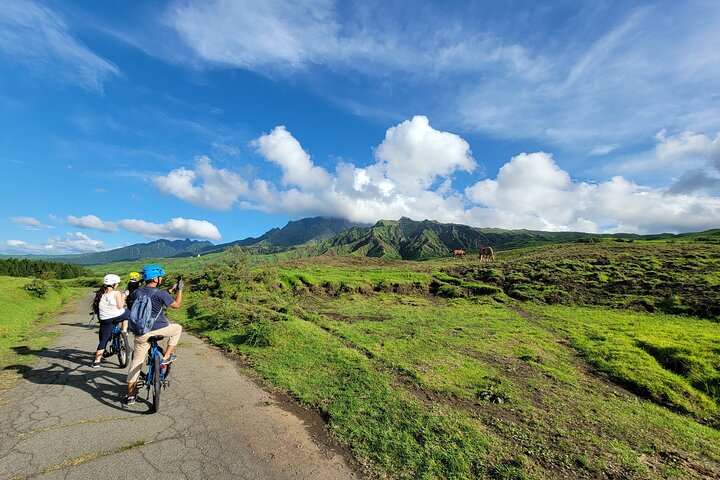


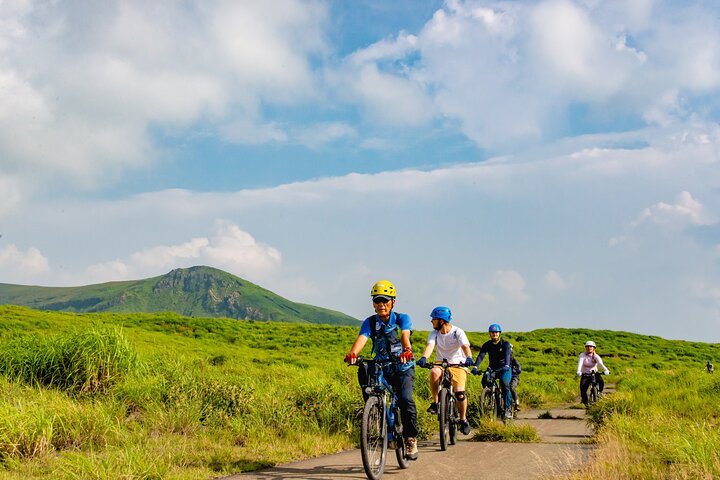


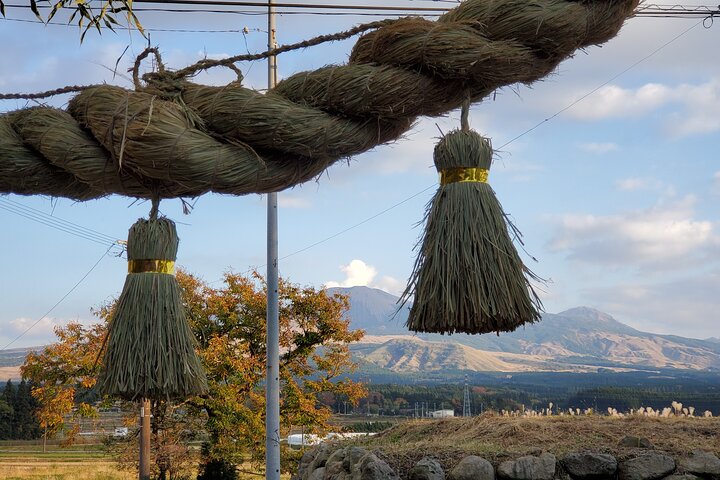
Listed starting prices may vary by option, travel date and group size. Confirm the final total and availability on Viator. Sponsored links: we may earn a commission from qualifying bookings.
GET TO KNOW THE PLACE
Why Visit Aso
Step onto the Aso caldera and the ground feels alive—open, broad, and shaped by repeated eruptions. That volcanic history gives the landscape its drama: bowl-like plains, jagged peaks, and steaming vents. For outdoor travelers, Aso is a place where short, rewarding efforts yield panoramic views and where you can balance activity with hot-spring recovery.
Aso’s geology is the trip’s backbone. The caldera is one of the world’s largest, and its rim and inner peaks offer a variety of terrain: grassy plateaus that slope gently toward tidy farms, sharper ridgelines that demand steady footing, and pocketed volcanic vents that still breathe. The human history here threads through farming communities, shrine trails, and small towns that have adapted to living with an active volcanic system. Local agricultural life—cattle on the grasslands and seasonal crops—creates long sightlines and quiet country roads perfect for cycling and scenic drives. Weather can turn quickly at elevation, so plan flexible days and expect wind along exposed ridges.
Practical access is straightforward from Kumamoto City by regional train and bus or by rental car for more freedom; roads across the plain are among Japan’s most scenic drives. Day hikers can tally several worthwhile viewpoints without technical gear, while multiday options reward route planning and an early start to catch sunrise over the caldera. Cultural touches—onsen towns, roadside markets selling local dairy and soba—make for good recovery days between hikes. Respect local signs near active vents and stick to marked paths; the landscape is hospitable but edged by real volcanic processes.
Timing and logistics shape the experience. Spring and autumn bring stable weather and clear views; summer is green and warm but carries afternoon storms and higher humidity, while winter is quiet and can be icy at altitude. Plan gear for layering, and have a rain pivot ready. If you want organized adventures—guided crater walks, horseback treks, or technical climbs—book ahead during busy periods. A well-stacked trip blends short crater rim walks, a scenic drive across the plain, an afternoon in an onsen, and an evening stargaze for a full sense of Aso’s scale and temperament.
PLAN YOUR VISIT
When to go.
Best months
March, April, May, October, November
Weather
Spring and autumn offer the most stable conditions and clear visibility for ridge and crater views; summers are lush but bring afternoon thunderstorms, and winters can be cold with icy sections at higher elevations.
Peak season
Late April–early May (Golden Week) and prime autumn-leaf weekends are the busiest; book lodging and guided activities well in advance and aim for early starts to avoid crowds.
Beyond the peak
Winter brings quieter roads and fewer visitors—good for solitude and onsen stays—but check for snow and limited services; the rainy season can make trails muddy and less pleasant, so choose routes with good drainage.
PACK WITH PURPOSE
What to bring.
optional
- Binoculars for birdlife and distant views
- Lightweight picnic kit
- Action camera or wide-angle lens
essential
- Layered clothing for variable mountain weather
- Sturdy traction footwear for loose volcanic scree
- Sufficient water and snacks
- Sun protection (hat, sunglasses, sunscreen)
- Offline maps or GPS and a charged phone
- Basic first-aid kit
- Cash (yen) for rural vendors and small ryokan
recommended
- Waterproof shell or rain jacket
- Headlamp for early starts or late returns
- Trekking poles for steep or loose sections
- Dry bag for electronics near thermal vents
FIND YOUR PACE
Choose your kind of adventure.
advanced
Advanced visitors can pursue technical ridgelines, long approaches, and weather-dependent alpine-like conditions.
- Multi-day ridge traverses with route-finding and elevation gain
- Technical mountain biking on rough, steep trails
- High-elevation navigation near active volcanic areas with a guide
beginner
Aso is friendly for beginners who want scenic sensory payoff with modest effort.
- Short crater-rim walks with panoramic viewpoints
- Scenic drives across the Aso Plain with stops for photos
- Soaking in a local onsen after easy daytime activity
intermediate
Intermediate travelers can stack longer hikes and active recovery while exploring mixed terrain.
- Day hikes across grassy ridgelines and into volcanic valleys
- E-bike or cycling routes on quiet country roads
- Horseback riding across the highland pastures
BEFORE YOU GO
Your questions, answered.
Do I need a guide to hike in Aso?
You can do many crater-rim walks and scenic hikes independently, but guides add safety and local insight for active vents, multi-day routes, or unstable weather. Consider a guide for volcanic-area briefings.
How do I get around without a car?
Regional trains and buses connect Kumamoto City and parts of Aso, but schedules thin in rural areas; renting a car gives much more flexibility, especially for early starts and scenic drives.
Are the volcanic vents dangerous?
Some vents emit gases and access can be restricted for safety; follow official signage and local guidance and avoid areas closed due to activity or gas emissions.
Can I combine hiking with onsen stays?
Yes—many visitors pair day hikes with evening onsen sessions at ryokan or public baths, which is an efficient way to recover and experience local hospitality.
What should I do in bad weather?
Have a rain pivot—scenic drives, museum visits, onsen, and farm shops make good alternatives. Avoid exposed ridgelines in high winds and verify road and trail conditions before heading out.
How long should I spend in Aso?
A focused 2–3 day visit covers main rim viewpoints, a scenic drive, and an onsen stop; extend to 4–6 days to add multi-day hikes, horseback riding, and deeper exploration of the national park.