THE ADVENTURE COLLECTIVE FIELD NOTES
A closer look at the journey.
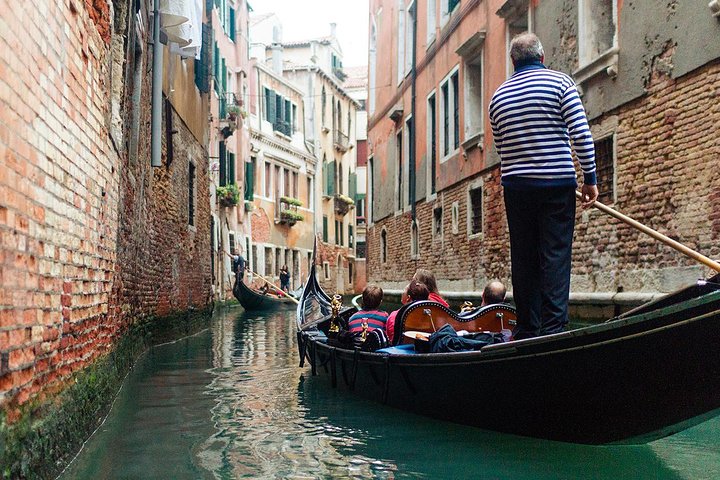
The tour begins where the city does its most honest business: a square rimmed with pigeons and a bronze statue, your guide holding a simple sign that reads STREET FOOD TOUR. The first bite arrives before the conversation does — a warm, oily malfatti or a salt-bright baccalà mantecato— and somehow eating while crisscrossing narrow alleys makes the city sharper. Canal water nudges the foundations of buildings; the Grand Canal hustles by like a thoroughfare that refuses to sleep. Venice here feels tactile: flagstones underfoot, wood-scented gondolas creaking, cicchetti passed across a crowded bacaro counter like a small blessing.
Walking through San Polo and Santa Margherita, the guide threads stories between tastings: how cicchetti grew from working-class bites to a midday ritual, or how the Rialto Market has been moving fish, fruits and gossip since the 11th century. Geologically the lagoon is a living margin — sediment and sea created the maze of islets that forced Venetians to innovate with canals and bridges. Culturally the food tells the city's trade history: salted cod from the north, citrus and spices from traders, polenta and simple cheeses from the mainland.
The route crosses the Rialto Bridge at a time when the view compresses centuries into a single frame: rows of shuttered palazzi, market stalls bristling with color, and boats that seem more like agile trucks than romance props. Your guide steers you toward small bacari where locals stand shoulder to shoulder, balancing wine and fritti, and toward market corners where fishmongers call the morning catch by name. If you visit in the afternoon or on a Monday, the market stalls sleep — the guide will still show you the piazza and explain its rhythms, but the sensory theater is reduced.
Practicalities are plain: the walk lasts about two-and-a-half hours on uneven cobbles and short staircases; the pace is steady but includes standing at counters and brief market stops. The group size feels intimate (max 14), and the guide is ready with recommendations for the rest of the day. Bring comfortable shoes, a small bottle you can refill, and a tolerance for crowds — Venice is compact, which means every alley can become a moment of congestion.
This small-group tour is both orientation and appetite: you leave with a list of favorite bacari, a clearer mental map of the sestieri, and the kind of small gastronomic experiments that make coming back to Venice inevitable.
Things to know before you go
Wear grippy, broken-in shoes
Cobblestones and short staircases are constant; closed-back shoes with good soles will keep you steady on wet stone.
Carry a refillable water bottle
Fountains and cafés are available but having water between tastings keeps you energized and reduces plastic waste.
Bring cash for small purchases
Many bacari accept card for larger bills but prefer cash for single cicchetti or market goods.
Check timing for Rialto Market
If your tour is in the afternoon or on a Monday the market stalls may be closed; confirm with the operator and plan expectations accordingly.
Your questions, answered.
Where exactly do we meet?
Meet at Campo San Bartolomeo next to the statue; the guide will hold a sign marked STREET FOOD TOUR. Arrive at least 10 minutes early.
Is the Rialto Market always open?
No — the stalls are typically closed in the afternoon and on Mondays; the guide will still take you to the market area on those days but stalls may not be active.
Can dietary restrictions be accommodated?
Vegetarian options are generally available if you advise at booking; the operator cannot accommodate vegan, gluten- or strict dairy-free diets.
Is this tour suitable for kids or people with mobility issues?
The tour involves cobbled streets and short staircases; it’s suitable for children used to walking and for people with moderate mobility—contact the operator to discuss accessibility needs.
How many tastings are included?
Several cicchetti, local cheese, bunarelli, and dessert tastings are included; the guide will pace portions so you can sample multiple stops over the 2½-hour walk.
Do I need to pay the city access fee?
Some visitors staying outside Venice may be required to pay a €5 access fee on certain dates; check local rules before travel for exemptions and dates.