


VAYCAI · DESTINATION GUIDE
Venice Travel Guide
Venice stacks slow-water adventures with urban exploration: winding walking routes through stone alleys, lagoon paddling among salt flats, and island-hopping by vaporetto. Combine morning walks in quiet sestieri with afternoon SUP or a guided kayak in the lagoon to balance cultural immersion with active time on the water.
Grand CanalSt. Mark's BasinGiudecca IslandLido di VeneziaVenetian Lagoon
Explore experiences ↓Your guide to places, experiences, and adventures.
Get to know the place
Attractions worth a closer look.
THE GOOD STUFF STARTS HERE
Experiences in Venice.


Venice, Italy
Venice Professional Photoshoot: Capture Iconic Canals and Hidden Corners
from $209.93USD


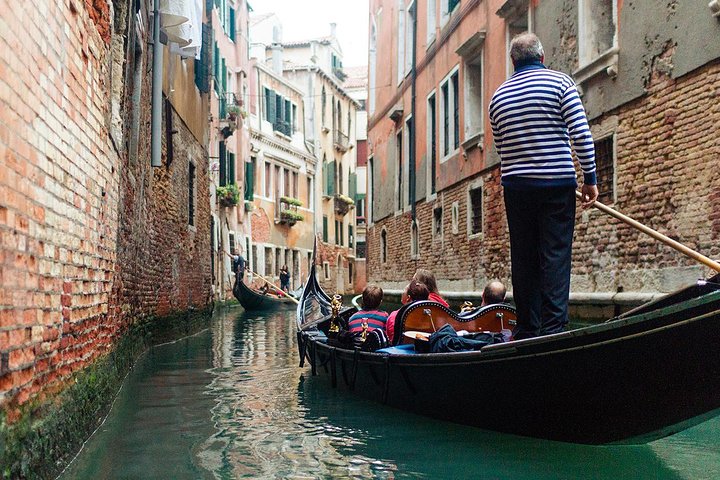


Listed starting prices may vary by option, travel date and group size. Confirm the final total and availability on Viator. Sponsored links: we may earn a commission from qualifying bookings.
GET TO KNOW THE PLACE
Why Venice? A water city that moves you
Wake before the crowds and the city feels like a boat breathing: canals reflecting early light, gulls charting the tide. Venice draws you into small-scale adventure — not alpine exertion but a constant negotiation with water, stone, and narrow routes that reward patience and curiosity.
Walk into Venice at first light and the city speaks in footsteps and water. The lagoon is a shallow, living shelf carved after the last glacial cycles, salt flats and mudflats holding reed beds that have long shaped local trade and settlement patterns. Centuries of human engineering — raised walkways, calli stitched between palazzi, and wooden foundations driven into the silt — created a unique urban habitat. That history is practical: narrow alleys avoid flooding better than open squares, and the city's pace was built around tides and tides still nudge daily life. You feel the geology when the tide rises and the city leans inward, reminding you to plan around acqua alta forecasts.
Culture here is improvisational and maritime. Markets still unload fish at dawn, glassmakers on Murano keep a centuries-old rhythm, and islanders maintain gardens on little reclaimed plots. Venice is compact but logistical: pack light, accept limited car access, and use water transit as your primary mode. Time your days — mornings for quiet walking in San Polo or Castello, afternoons for lagoon activities when winds soften, and evenings for terrace dining off the beaten track. Expect crowds at major piazzas; the real reward is the back alleys and lesser islands where routes narrow and discoveries accumulate.
From an adventure perspective, prioritize flexibility. A single-day mix could include a sunrise walking loop through residential sestieri, a mid-morning vaporetto hop to Giudecca or Murano, and a guided kayak or SUP in the lagoon during calmer hours. Local guides shorten learning curves and open access to less-trafficked channels; a map and tidal awareness will keep you comfortable on self-guided outings. For active travelers used to mountain trails, think of Venice as a low-impact water system that requires different gear and attention — waterproof footwear, tidal timing, and respect for the fragile lagoon habitats will make the trip both enjoyable and responsible.
PLAN YOUR VISIT
When to go.
Best months
April, May, June, September, October
Weather
Spring and early fall offer mild temperatures and manageable winds for lagoon activities; summer is warmer with higher boat traffic, and winter can be cold with occasional high-tide flooding events.
Peak season
Summer months (June through August) are the busiest for tourism and water traffic; book accommodations and popular guided activities well in advance and plan early starts to avoid midday crowds.
Beyond the peak
Late fall and winter bring lower prices and quieter streets, and you can experience civic life and winter light uniquely; be prepared for acqua alta, closed sites on rare occasions, and cooler, wetter conditions.
PACK WITH PURPOSE
What to bring.
optional
- Action camera or waterproof phone case
- Portable picnic kit for island stops
- Field guide to local birds and salt-marsh plants
essential
- Waterproof daypack or drybag
- Comfortable waterproof or quick-dry footwear
- Layered clothing for variable coastal weather
- Sun protection (hat, sunscreen, sunglasses)
- Offline map or downloaded transit route info
- Refillable water bottle
recommended
- Light rain shell or packable umbrella
- Small headlamp for early starts and alley navigation
- Lightweight trekking poles for raised walkways and steps
- Compact binoculars for lagoon birdwatching
FIND YOUR PACE
Choose your kind of adventure.
advanced
Advanced experiences involve extended open-water navigation, multi-day sailing, or photography expeditions timed for tides and light.
- Multi-day small-boat or sailing itinerary around the lagoon islets
- Offshore paddling routes coordinated with a guide for tidal strategy
- Specialty photography or birdwatching expedition at dawn and dusk
beginner
Beginner itineraries focus on gentle urban exploration and short, guided water activities with minimal technical demand.
- Sunrise walking loop through quieter sestieri
- Short guided vaporetto island hop to Murano
- Introductory guided kayak or SUP session in sheltered lagoon channels
intermediate
Intermediate trips combine longer paddling sessions, independent island circuits, and active transit options like cycling on the Lido.
- Self-guided island-hopping day with multiple vaporetto legs
- Guided multi-channel kayak tour addressing tide and wind
- Cycling exploration of Lido beaches and dune paths
BEFORE YOU GO
Your questions, answered.
Do I need a guide to explore Venice's waterways?
No, but a guided kayak or SUP trip is recommended for first-time paddlers and for access to quieter lagoon channels; guides handle tide timing and local navigation.
Is Venice safe for solo walkers and solo travelers?
Yes — Venice is generally safe; stick to well-lit areas at night, keep valuables secure, and plan routes if you want to avoid heavily touristed spots after dark.
How much walking versus water transit should I expect?
Expect a mix: frequent short walks between canals and vaporetto stops plus water transfers for island hops; pack light and wear comfortable shoes.
How many days do I need to experience active Venice?
Three to five days lets you combine morning walking loops, at least one lagoon paddling/sailing day, and time for island exploration without rushing.
What should I do if weather cancels a paddling or sailing trip?
Have backup plans: longer walking circuits, visits to Murano/Glass studios, or a cycling outing on the Lido; most operators will reschedule based on conditions.
Can I bring a bike into Venice?
Bikes are limited in the historic center; cycling is best on the Lido or surrounding mainland approaches where infrastructure allows.