


VAYCAI · ATTRACTION GUIDE
Venice Islands Visitor Guide
Venice’s islands stack experiences: pedestrian explorations on car-free lanes, lagoon paddles between reed beds, and seaside cycling on the Lido. Stack short walks, a vaporetto hop, and an island ferry to mix culture with fresh-air adventure in a compact, walkable setting.
Grand CanalRialtoGiudeccaVenetian Lagoon
Explore experiences ↓Your guide to places, experiences, and adventures.
Get to know the place
Attractions worth a closer look.
THE GOOD STUFF STARTS HERE
Experiences in Venice.


Venice, Italy
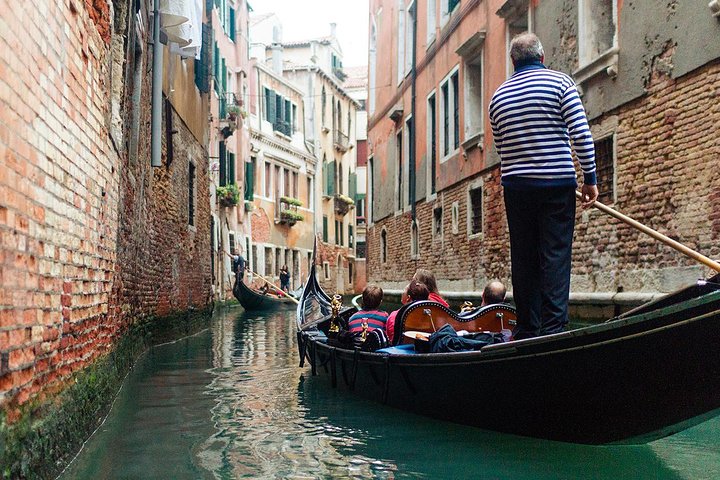
Venice Professional Photoshoot: Capture Iconic Canals and Hidden Corners
from $209.93USD




Listed starting prices may vary by option, travel date and group size. Confirm the final total and availability on Viator. Sponsored links: we may earn a commission from qualifying bookings.
GET TO KNOW THE PLACE
Why the Venice Islands
Step off the vaporetto and the city changes pace: water nudges every route, and the islands hold their own personalities—some hush of fishermen and reed beds, others crowded with markets and churches. Venice is an adventure built out of short movements: a five-block scramble to a viewpoint, a ten-minute boat leg, an hour of beach-side cycling. It’s compact, tactile, and easy to stack outdoor experiences across a few days.
Venice sits where river and sea have been negotiating land for millennia; the lagoon is a living sedimentary landscape that has shaped the city’s streets and lifestyles. The islands emerged from marsh and sand, then became trading posts, artisan hubs, and salt-makers’ flats. That history shows in bricks darkened by tides, in narrow alleys that funnel wind and light, and in churches that hold the city’s art. Walk at dawn when the stones are damp and cool; you’ll feel the city breathe—the channels reflecting sky, the boats pulling like slow breath.
Adventure here is low on altitude but high on variety. Geology and tides decide the routes: reed-lined channels that favor kayaks; cobbled lanes that favor boots and comfortable shoes; exposed beaches where wind pushes the surf. Plan days as sequences—morning paddle through quieter marshes, midday market stop for fresh anchovies, late-afternoon cycle on the Lido. Access is straightforward: short vaporetto hops are frequent, but check schedules and plan for slower transfers when seas rise or wind comes up. Prioritize what you want to stack. If birdwatching and salt marsh ecology are the goal, expect more time on smaller islands; for architecture and museums, keep one full day on the main islands and schedule early or late visits to avoid crowds.
Local culture is practical and tactile: fishermen, boat repairers, glassblowers, and bakers keep routines aligned with tides and seasons. Language use is everyday Italian with Venetian inflections, and service in tourism areas is used to multi-lingual visitors. Expect helpful locals and small family-run businesses. Timing matters: mornings and late afternoons are the most atmospheric and least crowded. Bring respect for local rhythms—keep noise low on residential islands, follow signage around private docks, and avoid straying into reed flats that protect nesting birds. With simple planning, Venice rewards with compact adventures that feel both urban and elemental.
PLAN YOUR VISIT
When to go.
Best months
April, May, September, October
Weather
Spring and fall offer mild temperatures and manageable crowds; summers are warmer and humid with occasional storms, while winters are cooler with a higher chance of tidal flooding (acqua alta).
Peak season
The city is busiest from late spring through August, with the heaviest visitor volume in June and July; book lodging and any guided experiences well in advance and plan early starts to avoid peak crowds.
Beyond the peak
Winter brings quieter streets and lower rates, plus dramatic high-tide events that change the cityscape; expect some closures and elevated walkways during acqua alta and be prepared to pivot to indoor experiences when needed.
PACK WITH PURPOSE
What to bring.
optional
- Compact binoculars for lagoon birdwatching
- Action camera or small waterproof camera
- Picnic kit for island lunches
essential
- Layered clothing for variable conditions
- Comfortable, grippy footwear suited to cobbles and wet surfaces
- Reusable water bottle and snacks
- Sun protection (hat, sunglasses, sunscreen)
- Offline map or downloaded transit schedule
- Basic first-aid kit and blister care
recommended
- Light rain shell or packable waterproof
- Headlamp or compact flashlight for early starts
- Waterproof dry bag for electronics and documents
- Trekking poles for extra stability on uneven streets
FIND YOUR PACE
Choose your kind of adventure.
advanced
Experienced paddlers and adventurous planners can tackle longer crossings and multi-island itineraries with logistics handled in advance.
- Multi-leg sea kayak crossing between outer islands with tidal planning
- Private sailing or navigation-focused charter around the lagoon
- Full-day coastal cycle combined with a boat transfer to mainland trailheads
beginner
For travelers new to water-based activities and Venice, focus on guided, short experiences and easy walks.
- Guided vaporetto route and city walking tour
- Short, guided kayak or SUP in sheltered lagoon channels
- Leisurely cycle on the Lido and beachside strolls
intermediate
For those comfortable on the water and happy with longer days, combine paddling with island exploration and photography.
- Self-guided kayak loop between a few nearby islands with guidance
- Half-day island hopping with market stops and local workshops
- Dawn photography walk with a focus on light and reflections
BEFORE YOU GO
Your questions, answered.
Do I need a guide or can I explore Venice on my own?
You can easily explore on your own, especially for walks and vaporetto hops, but hiring a local guide adds context for history, hidden routes, and safe paddling or boat navigation in the lagoon.
Is kayaking or paddling in the lagoon safe for novices?
Calm, guided paddles in sheltered channels are suitable for beginners; open-lagoon crossings require experience and a guide who knows tides and boat traffic.
How much time should I plan to experience the islands without rushing?
Plan at least three full days to stack walking, an island hop, and a paddling or cycling outing; a five- to seven-day trip allows relaxed pacing and one or two guided excursions.
How do tides affect travel around Venice?
Tides can raise walkways, alter docking points, and change small-boat schedules; check tide forecasts and vessel notices before paddling or booking early-morning transfers.
Can I bring a bike and cycle between islands?
Some islands like the Lido are bicycle-friendly and have rental options; other islands have narrow lanes and limited cycling—check local rules and ferry policies for bikes.
What's a good plan for avoiding crowds?
Start activities at sunrise, spend midday on quieter outer islands, and reserve late afternoons for museums and canalside vistas when day-trippers begin to leave.