


VAYCAI · ATTRACTION GUIDE
Venetian Lagoon (Laguna Veneta) Visitor Guide
The Venetian Lagoon is where urban canals give way to reed-lined islands and open tidal flats, letting travelers stack city exploration with true coastal adventure. Combine morning paddles or guided boat island-hops with cycling the Lido and birdwatching saltmarsh edges to balance people-filled sights with quiet nature. Plan around tides and public-boat schedules to make the most of each day.
GiudeccaLido di VeneziaMuranoBuranoTorcello
Explore experiences ↓Your guide to places, experiences, and adventures.
Get to know the place
Attractions worth a closer look.
THE GOOD STUFF STARTS HERE
Experiences in Venice.


Venice, Italy
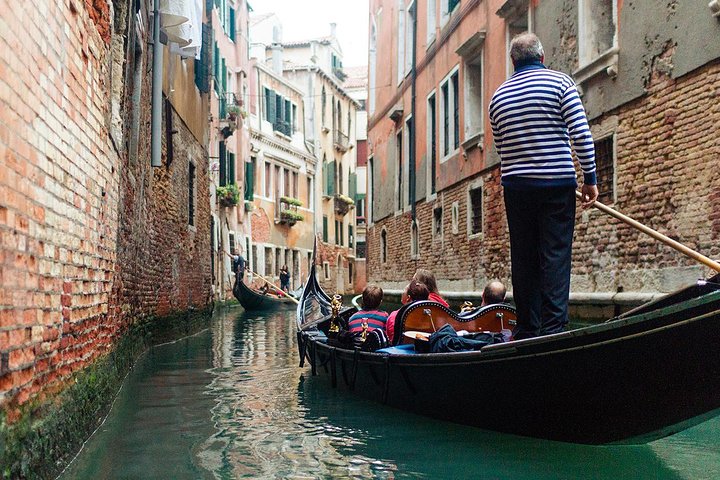
Venice Professional Photoshoot: Capture Iconic Canals and Hidden Corners
from $209.93USD




Listed starting prices may vary by option, travel date and group size. Confirm the final total and availability on Viator. Sponsored links: we may earn a commission from qualifying bookings.
GET TO KNOW THE PLACE
Why Visit the Venetian Lagoon
Step off the crowded piazzas and the lagoon rearranges the rhythm: tides nudge you toward marshy edges, and small islands hold centuries of human and natural history. The Venetian Lagoon is equal parts urban heritage and coastal ecosystem, offering paddling, island-hopping, cycling, and birding without long approaches. Time your outings for calm mornings or late afternoons when the light and currents are kinder, and use public vaporetto runs to stitch short adventures together.
The lagoon is a layered landscape. Geology and human engineering have shaped its shallow basins and reclaimed islets over millennia, so you’ll see a patchwork of mudflats, salt pans, reed beds, and centuries-old settled islands. Cultural history is visible in small scales: Murano’s glass furnaces, Burano’s lace tradition and painted façades, and quieter Torcello with its ancient basilica. Nature here is not passive—the tide orchestrates access, exposing muddy flats at low water and softening navigation at high. Plan with tidal charts in hand; low-water windows often make for richer wildlife viewing and safer shallow paddles.
Adventure in the Venetian Lagoon is logistical in a good way: you don’t need long approaches, but you do need timing. Public vaporetti (water buses) and local ferries are the backbone of access, and private boat transfers fill gaps for early starts or late returns. Mornings calm the surface and reveal shorebirds; afternoons can bring wind and chop that favor shorter outings or guided trips. Expect crowds on main islands mid-day, but find solitude on lesser-known spits and reed-lined channels where the lagoon breathes slow and quiet. Practical priorities: check tide tables, book guided kayak or SUP trips for open-water segments, and match routes to weather—wind can transform a pleasant paddle into a technical day.
For planning: stack a city morning with a late-afternoon natural excursion. Arrive in central Venice for historic sights before noon, take an afternoon vaporetto to Burano or the Lido, and reserve a sunrise paddle or guided wildlife tour on your second morning. Lodging choices matter—base yourself on whether you want shorter boat runs back to sleep (central Venice) or easier beach access (Lido). When possible, schedule active water days on calmer forecast windows and save city walking for windier afternoons. With mindful timing the lagoon rewards both quiet exploration and vivid cultural encounters.
PLAN YOUR VISIT
When to go.
Best months
April, May, September, October
Weather
Spring and early fall offer mild temperatures, calmer winds, and migratory bird activity; summer is warmer but busier and can be windier in the afternoons. Winters are quiet but bring occasional acqua alta (high water) events.
Peak season
The busiest period runs from late spring through summer, with highest visitor density in July and August; book guided experiences and lodging well in advance and plan early-morning activities to avoid crowds.
Beyond the peak
Winter and early spring offer low crowds and lower prices, and the lagoon can feel near-empty—valuable for photography and study of tidal ecology; verify access and be mindful of wetter conditions and occasional flooding on low-lying walkways.
PACK WITH PURPOSE
What to bring.
optional
- Action camera or waterproof camera
- Small picnic kit for island stops
- Light insect repellent
essential
- Layered clothing for wind and sun
- Waterproof shell or light rain jacket
- Water-resistant traction footwear or shoes that dry quickly
- Reusable water bottle and snacks
- Sun protection (hat, sunglasses, SPF)
- Charged phone with offline maps and emergency contacts
recommended
- Dry bag for electronics and spare layers
- Binoculars for birdwatching
- Compact first-aid kit
- Lightweight headlamp for early starts
FIND YOUR PACE
Choose your kind of adventure.
advanced
For experienced paddlers and navigators ready for open-water crossings, tide planning, and multi-leg excursions.
- Open-water sea kayaking with tidal planning and navigation challenges
- Multi-leg private-boat island expeditions timed to tides
- Technical photography and wildlife observation sessions requiring long lenses and patience
beginner
Designed for travelers new to tidal navigation or water sports who want easy, low-risk experiences.
- Guided vaporetto island-hopping to Murano and Burano
- Short, instructor-led SUP sessions in sheltered channels
- Leisurely cycling along the Lido promenade
intermediate
For active travelers comfortable on the water in calm conditions and looking for longer routes and wildlife viewing.
- Half-day stand-up paddleboard or kayak tours around outer islands
- Guided birdwatching and marsh walks in quieter lagoon sectors
- Self-guided island-hopping using public ferries with on-foot exploration
BEFORE YOU GO
Your questions, answered.
Do I need a guide for kayaking or paddleboarding in the lagoon?
If you’re inexperienced with tides, currents, or open-water navigation, book a guided trip; guides know local channels, tide windows, and safe landing spots. Experienced paddlers can self-guide with tide charts and conservative routes.
How do I get between Venice and the outer islands?
Public vaporetti and local ferries connect central Venice to Murano, Burano, Torcello, and the Lido; schedules vary seasonally, and private water taxis or arranged transfers offer more flexible timing.
Is the lagoon safe for families and non-swimmers?
Yes—many island visits and guided boat tours are family-friendly. For on-water activities, flotation aids are standard and operators brief non-swimmers; avoid unsupervised open-water outings if you’re not confident in currents.
How many days should I plan to experience both Venice and the lagoon?
Allow at least three to four days to blend city highlights with a morning or afternoon on the lagoon; longer stays let you stagger active water days with relaxed cultural exploring.
What weather should I watch for and how do I pivot plans?
Wind and rain are the main disruptors for paddling; if conditions deteriorate, shift to island museums, glass-blowing demonstrations, or long coastal walks on the Lido until skies improve.
Are there environmental rules or etiquette I should follow on the lagoon?
Respect restricted areas, keep distance from nesting birds, land only at permitted spots, and avoid littering; follow guides’ instructions to protect fragile saltmarsh habitats.