


VAYCAI · ATTRACTION GUIDE
Dorsoduro Visitor Guide
Dorsoduro is where urban exploration meets the lagoon: stack museum mornings with canal-side walks, late-afternoon paddling or vaporetto rides, and evening cicchetti crawls. It’s compact enough to navigate on foot yet varied enough to mix art, waterfront views, and low-key adventure in a single day.
ZattereAccademiaPunta della DoganaGiudecca
Explore experiences ↓Your guide to places, experiences, and adventures.
Get to know the place
Attractions worth a closer look.
THE GOOD STUFF STARTS HERE
Experiences in Venice.


Venice, Italy
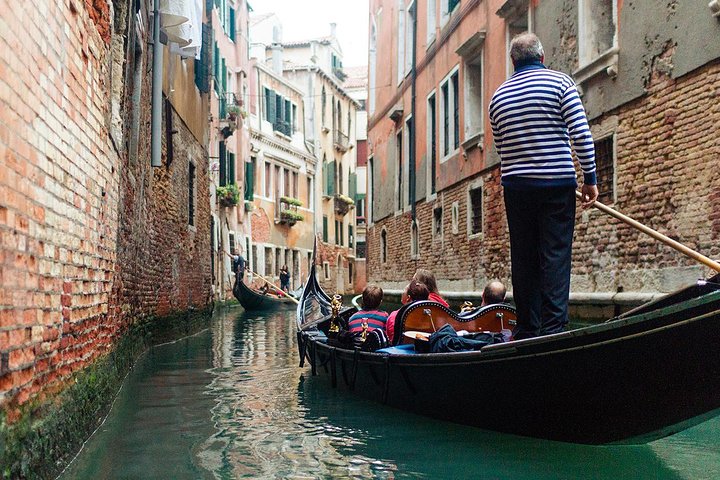
Venice Professional Photoshoot: Capture Iconic Canals and Hidden Corners
from $209.93USD




Listed starting prices may vary by option, travel date and group size. Confirm the final total and availability on Viator. Sponsored links: we may earn a commission from qualifying bookings.
GET TO KNOW THE PLACE
Why Visit Dorsoduro
Step off a vaporetto into Dorsoduro and the city’s rhythm shifts: streets narrow, galleries appear between churches, and the sea keeps nudging at the edges. The neighborhood’s higher ground and arty temperament make it a practical base for mixing cultural highlights with low-impact outdoor pursuits.
Dorsoduro’s name hints at its value: historically the “hard back,” it is one of Venice’s naturally higher districts, a ribbon of stone and canal that resists the soft memory of the lagoon. Walking here feels deliberate; the fondamenta hold stories and salt air that moves through courtyards and museums. Start your morning where the light falls on old plaster and head to a small museum or gallery—art and architecture are the primary draws, but the edges of the neighborhood are where adventure begins. The water is never idle; it invites early paddles, vaporetto hops, and quiet observation from a bench. Nature in Dorsoduro is urban and marine at once, a tidal presence that shapes routes and moods.
History and culture are woven into every crossing. Dorsoduro grew from artisan workshops and shipping houses, and that legacy is apparent in narrow streets that open suddenly to canals, churches, and campo markets. Geologically, you are still in the lagoon: wooden piles beneath stone, mud and salt traded for centuries. Cultural life remains lively but less frenetic than San Marco—local bacari, small galleries, and student energy around the Accademia area. For planning, prioritize early starts for waterfront light and late afternoons for softer crowds and better photography. Access is simple by vaporetto from the main terminals; walking is the principal mode once you arrive.
Practical tips shape the best visits: expect varied surfaces—stone, wooden walkways, and occasional raised gangways during acqua alta—so choose traction-friendly footwear. Paddling or SUP require advance booking during peak months and a quick weather check; wind can change the lagoon’s temperament quickly. If you want a combined day, stack a gallery morning with a midday vaporetto to the islands and a sunset paddle or Lido bike ride. The neighborhood rewards a measured pace: linger over coffee, watch the tide, and let the canals rearrange your schedule rather than racing a strict itinerary.
PLAN YOUR VISIT
When to go.
Best months
April, May, September, October
Weather
Spring and early fall bring mild temperatures and clearer skies, while summer is warmer and busier; autumn can bring wet spells and occasional acqua alta.
Peak season
The busiest period is late spring through summer; book lodging and popular experiences well in advance and plan morning starts to avoid midday crowds.
Beyond the peak
Winter and late autumn offer lower rates and quieter streets for photography, but expect shorter daylight, colder air, and possible flood boards—pack waterproof footwear and plan indoor alternatives.
PACK WITH PURPOSE
What to bring.
optional
- Compact binoculars for lagoon birdwatching
- Action camera or small tripod
- Picnic kit for a campo lunch
essential
- Layered clothing for shifting coastal temperatures
- Comfortable, grippy walking shoes
- Refillable water bottle
- Sun protection (hat, sunglasses, sunscreen)
- Offline map or downloaded navigation app
recommended
- Light rain shell or packable umbrella
- Small dry bag for electronics
- Spare socks for damp days
FIND YOUR PACE
Choose your kind of adventure.
advanced
Suited to experienced paddlers and urban explorers who can handle tidal conditions and longer navigation.
- Multi-island open-water kayak route requiring wind and tide planning
- Dawn-to-dusk photography and scouting day focused on low-light lagoon navigation
- Independent long-distance cycle and ferry combinations for regional exploration
beginner
Ideal for travelers who prefer easy, low-risk adventures focused on walking and gentle water experiences.
- Guided vaporetto tour of the Grand Canal and nearby islands
- Leisurely walking loop through Accademia and Zattere waterfront
- Introductory stand-up paddle session in a guided group
intermediate
For those comfortable with longer walking days and short open-water paddles, mixing culture and active time.
- Self-guided art and architecture walk with timed-entry museum visits
- Half-day kayak tour of the lagoon with an experienced outfitter
- Bike ride and beach time on the Lido (brought or rented)
BEFORE YOU GO
Your questions, answered.
Do I need a guide in Dorsoduro or can I explore on my own?
You can explore Dorsoduro self-guided—its compact streets are easy to navigate—but a local guide adds context for galleries, history, and arranges paddling or private vaporetto logistics efficiently.
Is kayaking or stand-up paddling in the lagoon safe for novices?
Guided paddles are available for beginners and are the safest option because guides monitor tides and traffic; avoid solo paddles unless you have experience and local briefing.
What’s the best way to get to Dorsoduro from the train station?
Take a vaporetto from Santa Lucia or walk across the Accademia bridge; both are direct, frequent, and place you into Dorsoduro within minutes of arrival.
How long should I allocate to explore Dorsoduro?
Plan a half-day to a full day: a focused morning for galleries plus an afternoon paddle or island hop makes for a satisfying itinerary without rushing.
How should I adjust plans for acqua alta (high water)?
Check local forecasts; raised walkways are deployed in known spots and some routes change during floods—carry waterproof footwear and have indoor backup options for museums or cafes.
Is Dorsoduro safe to walk at night?
Dorsoduro is generally safe at night with active restaurant and student areas, but stay on well-lit fondamenta near the main canals and use common urban safety sense.