THE ADVENTURE COLLECTIVE FIELD NOTES
A closer look at the journey.
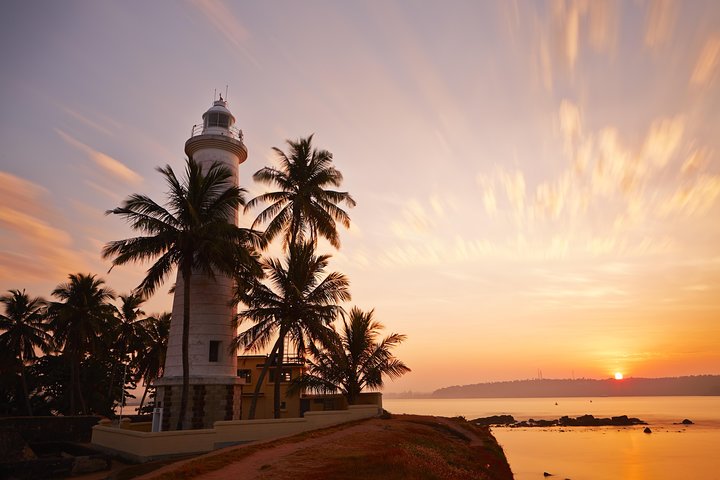
Dawn in Galle feels like a held breath—sea air sharp, headlands dark against a pale sky. You board an air-conditioned vehicle for the short coastal run to Mirissa, then a low-profile launch cuts the swell. The horizon widens; seabirds stitch the air and the ocean seems to dare you to look farther.
The southern Sri Lankan shelf narrows past Dondra, bringing deep water within a short run of shore and concentrating food that draws migrating giants. Blue whales and sperm whales pass these waters November–April; spinner and bottlenose dolphins are regular year-round visitors. The route back often includes a stop at a community-run turtle hatchery managed to protect nesting Green, Leatherback, Hawksbill, Loggerhead and Olive Ridley turtles that beach here across seasons.
Expect 6–7 hours total—this tour includes hotel pickup, breakfast, bottled water and snacks. Boats commonly travel 15–30 km offshore to reach the feeding grounds; time on the water can be bumpy and sightings are never guaranteed. Crews use experienced lookouts and hydrophones when available; maintain distance, follow crew instructions and avoid flash photography around both whales and nesting turtles.
Practical tips: bring sun protection, motion-sickness medication, binoculars and a lightweight wind layer. Morning departures maximize calm water and wildlife activity. If you want to support conservation, plan a stop at the hatchery, learn about local nesting seasons, and consider donations to the Wild Life Protection Society of Sri Lanka. With patience and respect for the animals, this coastal day delivers marine giants, playful dolphins and an up-close look at conservation in action.
Things to know before you go
Bring motion-sickness meds
Rides to deep-water feeding grounds can take 1–2 hours and the sea can be choppy—take medication before boarding if you’re prone to seasickness.
Sun protection is crucial
Open-deck hours under tropical sun require sunscreen, a wide-brim hat and polarized sunglasses to reduce glare and UV exposure.
Pack binoculars and camera
A 7x–10x binocular and a zoom lens help you spot distant blows and tail flukes without crowding marine life.
Follow hatchery rules
When visiting turtle hatcheries, avoid bright lights and flash photography and keep voices low to prevent disorienting hatchlings.
Your questions, answered.
What months are best for seeing blue whales?
November through April is the prime season when the continental shelf narrows and blue whales concentrate nearshore during migration.
Are sightings guaranteed?
No—sightings depend on weather, animal movement and timing; reputable operators maximize chances but cannot promise sightings.
Is the tour suitable for children and mobility-limited guests?
The tour is family-friendly and wheelchair-accessible for land transport; boarding small boats requires some mobility—check operator pickup options and assistance availability.
Can I touch or handle hatchlings at the turtle hatchery?
No—hatcheries typically prohibit handling to avoid stressing the animals and to prevent imprinting or injury; follow staff guidance and observe quietly.