


VAYCAI · ATTRACTION GUIDE
Sunset over the Wadmalaw River captures the tranquil beauty of the South Carolina Lowcountry. Located in Charleston County, this serene waterway is surrounded by marshlands and rich vegetation. The image showcases the river's reflective waters under a brilliant orange sky, highlighting the natural allure of this coastal region. Visitor Guide
Marsh-lined rivers, tidal creeks and historic streets stack into a practical adventure itinerary: paddle at dawn on the Wadmalaw, bike the historic district before the heat, and finish with a sunset drive to a barrier island. Short excursions pair with multi-day options, letting you mix easy paddling, coastal birding, and lowcountry scenic drives into a single flexible trip.
Explore experiences ↓Your guide to places, experiences, and adventures.
Get to know the place
Attractions worth a closer look.
THE GOOD STUFF STARTS HERE
Experiences in Charleston.

Charleston, United States
Charleston BYOB Morning Harbor Cruise & Beach Beachcombing Excursion on Southern Charm
from $499USD

Charleston, United States
Charleston Harbor Cruise: White Point Battery to Fort Sumter with Captain Gene
from $199USD


Charleston, United States
Patriot Escape Charleston Self-Guided Revolutionary Scavenger Hunt
from $12USD

Charleston, United States
Charleston Chucktown Crusade Scavenger Hunt — Interactive City Quest
from $22USD


Charleston, United States
Charleston Haunted Booze & Boos Ghost Walking Tour — Haunted Downtown Bar Crawl
from $39.42USD

Charleston, United States
Charleston Water Taxi Dolphin Cruise: Harbor Hop, Sightseeing & Dolphin Watch
from $17USD

Charleston, United States
Charleston Haunted Pub Crawl: Spirits, History & Boozy Ghost Stories
from $36USD

Charleston, United States
Middleton Place Guided Tour with Lunch and Roundtrip Transport from Charleston
from $128.50USD

Charleston, United States
Historic Horse & Carriage Tour of Charleston — 1-Hour Downtown Sightseeing
from $45USD

Charleston, United States
90-Minute Charleston Harbor Cruise — Fort Sumter, USS Yorktown & Dolphins
from $40USD


Charleston, United States
Private Luxury Sunset Boat Tour in Charleston Harbor — Intimate Evening Cruise
from $415USD


Charleston, United States
Charleston Zipline Canopy Tour: 7‑Line Forest Canopy with 65‑ft Climbing Wall
from $104USD

Charleston, USA
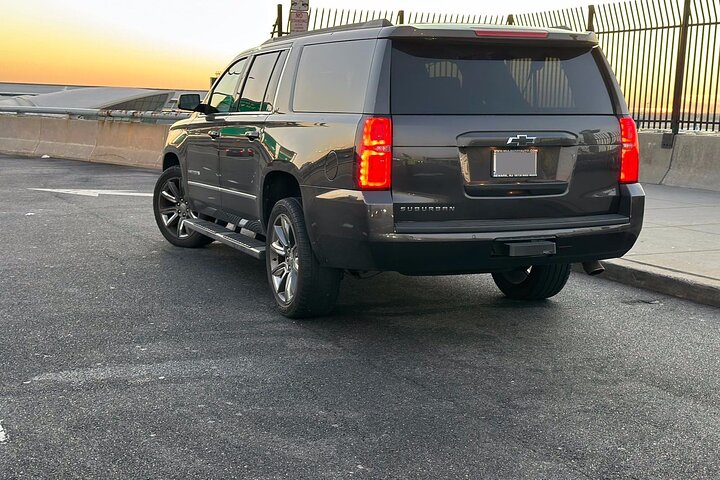
Private Charleston Airport (CHS) Transfer to Isle of Palms and Sullivan's Island
from $147.65USD

Charleston, United States
Two Charleston Plantations in One Tour: Middleton Place and Drayton Hall
from $175USD


Charleston, United States
Sinfully Delicious Dessert Tour: Charleston Historic Sweets & Spirits Walking Experience
from $175USD
Listed starting prices may vary by option, travel date and group size. Confirm the final total and availability on Viator. Sponsored links: we may earn a commission from qualifying bookings.
GET TO KNOW THE PLACE
Why Charleston Feels Like an Adventure
A sunset on the Wadmalaw river settles the day into color—the sky pushes orange onto still water while marsh grasses hold the tide. Charleston’s charm is less about vertical ascent and more about navigation: tides that nudge your schedule, winds that change the light, and a landscape that asks you to explore horizontally across creeks, barrier islands, and historic streets.
Geology and history are braided here. The Lowcountry’s shallow coastal plain was shaped by ancient rivers and rising seas, which created the salt marshes that now define much of the region’s scenery. Those marshes supported rice and indigo plantations, and later oyster and shrimp industries; traces of that past show up in levees, old oak-lined lanes, and the persistence of seafood culture. The natural world is deliberate—the tide sets the timetable and the marshes move at their own pace—so planning around water levels and daylight matters.
Culturally, Charleston is a layered place. Streets of preserved Colonial and antebellum architecture sit adjacent to working docks and modern waterfront parks. The food scene extends outdoors with fish houses and oyster roasts where local knowledge is as important as a map. For an adventurer that means combining short, purposeful outings—a morning paddle, an afternoon bike ride, an evening shoreline walk—rather than committing to technical backcountry routes. Access is mostly by road and small boat; many of the best marsh approaches are from public boat ramps or guided launches.
Practical planning is straightforward. Aim for dawn paddles to avoid afternoon winds and insects, and schedule barrier-island visits on lower tide windows for easier shelling and wading. Bring layers—mornings and evenings can be cool even in warm months—and expect strong sun and humidity in summer. If you prioritize photography, scout sunrise and sunset vantage points in advance. Prioritize experiences that respect private inholdings and the fragile marsh; stick to marked paths and established launch points to keep access open for everyone.
PLAN YOUR VISIT
When to go.
Best months
March, April, May, October, November
Weather
Spring and fall are generally the most comfortable for outdoor activities; summers are hot, humid, and prone to thunderstorms while winters are mild and quieter. Tidal timing influences paddling and beach access year-round.
Peak season
Late spring through summer draws the most visitors, especially around holiday weekends and summer beach season; book lodging and guided activities in advance and plan early-morning departures to beat crowds and heat.
Beyond the peak
Winter offers lower rates, fewer people, and excellent birding; some island services reduce hours, and after heavy rains trails and lower marsh areas can be muddy—choose raised boardwalks and paved routes when soft ground is a concern.
PACK WITH PURPOSE
What to bring.
optional
- Binoculars for birding
- Action camera or waterproof camera
- Picnic kit for marshside meals
essential
- Layered clothing (light wicking base, insulating mid-layer, windproof shell)
- Plenty of water and electrolyte options
- Traction footwear suitable for mud and wet boardwalks
- Sun protection (hat, sunglasses, SPF 30+ sunscreen)
- Offline map or GPS app and a tide chart
recommended
- Light rain shell or packable waterproof jacket
- Dry bag for electronics and a phone case
- Insect repellent and after-bite care
- Headlamp for early starts or dusk returns
- Collapsible water bottle and small first-aid kit
FIND YOUR PACE
Choose your kind of adventure.
advanced
Multi-day coastal navigation, offshore paddling, or technical fishing and photography expeditions that require experience and specialized gear.
- Offshore paddling with navigational planning and support
- Chartered fishing or eco-exploration to remote islands
- Multi-day combination of paddling, beach camping, and sunrise photography shifts
beginner
Gentle, low-impact outings that require minimal gear and basic fitness for paddling, walking, and cycling on flat terrain.
- Guided beginner kayak or paddleboard on tidal creeks
- Leisurely bike ride through historic downtown and waterfront parks
- Boardwalk birdwatching and short marsh walks
intermediate
Longer days and more navigation skills; comfortable with tide-aware paddling and multi-hour bike rides on coastal roads.
- Self-guided kayak loops on estuaries with tide planning
- Full-day beach and barrier-island exploration by boat
- Moderate cycling loops that connect city and coastal scenery
BEFORE YOU GO
Your questions, answered.
Do I need a guide for paddling the marshes?
You can paddle self-guided if you have tide and navigation experience, but first-time visitors benefit from a guided launch to learn local currents, species, and safe routes.
Are tides important to plan around?
Yes—tides affect launch points, beach walking, and shelling; check local tide charts when scheduling paddles or island trips and allow buffer time for return trips.
How long should I stay to experience Charleston’s outdoors?
A long weekend covers a dawn paddle, a historic bike ride, and a barrier-island excursion; five to seven days lets you add guided eco-tours and more relaxed sampling of seafood and conservation areas.
Is public transportation reliable for outdoor access?
Public transit covers downtown and some nearby beaches, but a car or arranged transfer is the most practical way to reach many marsh launch points and remote barrier islands.
What should I do if weather turns bad?
Pivot to indoor or sheltered options like museums, culinary tours, or a scheduled charter with a captain who monitors conditions; always have a rain shell and a back-up plan.
Are insects a major concern?
Insects can be active in warmer months, particularly near marshes and at dusk; use repellant, wear long sleeves for evening outings, and plan morning activities when bugs are less active.