

Charleston, United States
Historic Horse & Carriage Tour of Charleston — 1-Hour Downtown Sightseeing
from $45USD

VAYCAI · ATTRACTION GUIDE
Magnolia Plantation and Gardens pairs curated historic landscapes with wild Lowcountry edges: marshes, oak alleys, and riverside trails. Stack slow garden walks with a swamp or boat outing on the Ashley River, then add birding and a carriage or tram tour to round a half- or full-day exploring rhythm.
Your guide to places, experiences, and adventures.
Get to know the place
THE GOOD STUFF STARTS HERE
Charleston, United States

Charleston, United States

Charleston, United States

Charleston, United States


Charleston, United States


Charleston, United States

Charleston, United States

Charleston, United States

Charleston, United States

Charleston, United States

Charleston, United States

Charleston, United States

Charleston, United States

Charleston, United States
Listed starting prices may vary by option, travel date and group size. Confirm the final total and availability on Viator. Sponsored links: we may earn a commission from qualifying bookings.
GET TO KNOW THE PLACE
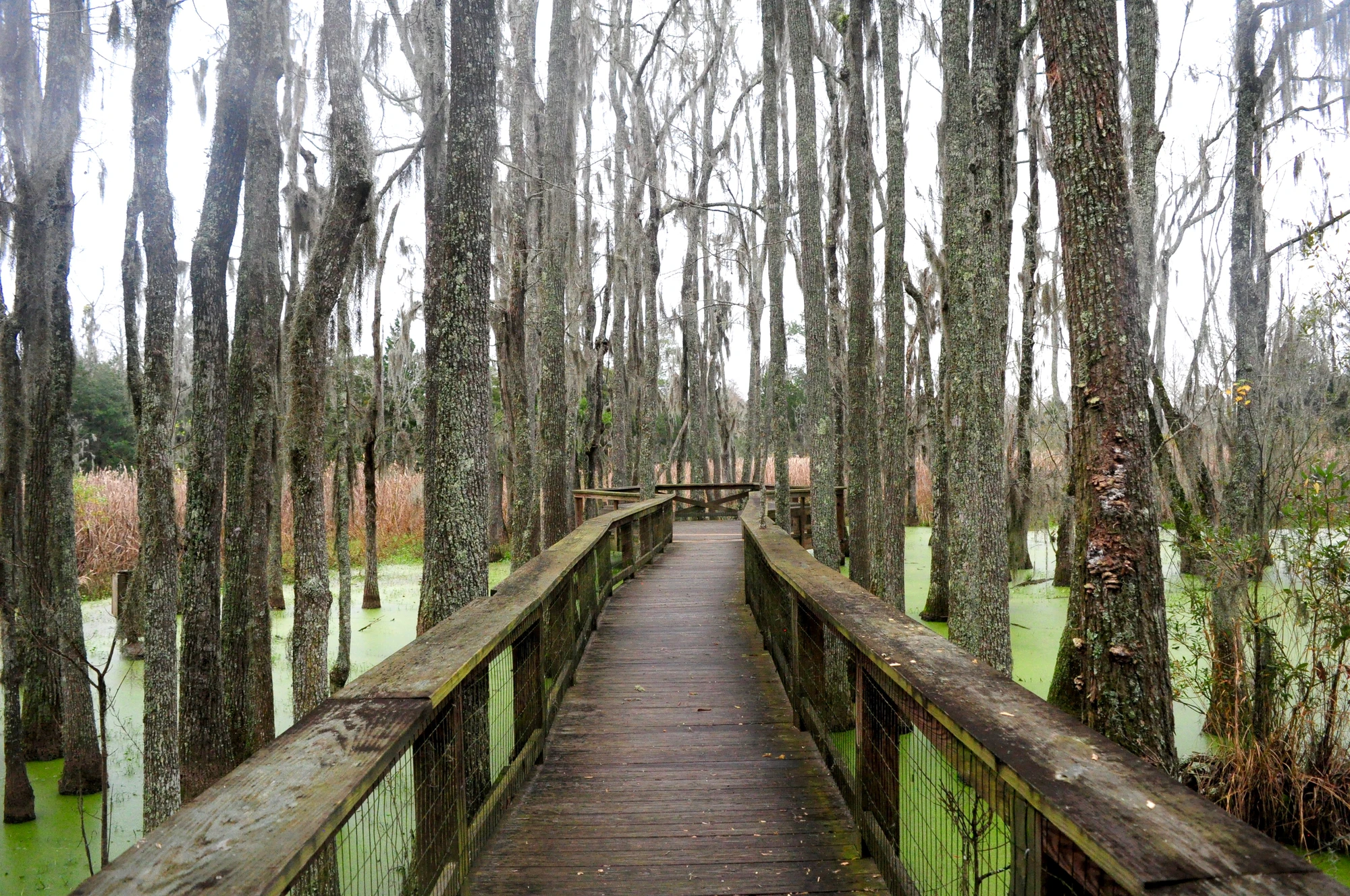
Step under a canopy of live oaks and the air shifts—salt-tinged and still—and the Lowcountry lays out its signature mix of cultivated beauty and wild edge. Magnolia Plantation is at once a historic estate and a functioning natural landscape where marsh channels nudge the grounds, wading birds stake out the shallows, and centuries of human and ecological history overlap.
Magnolia began as a private plantation and evolved into a public garden that preserves both formal beds and the surrounding tidal ecosystems. The site sits on sedimentary soils shaped by riverine deposits and tidal rhythms, so the landscape reads as a conversation between managed plantings—camellias, azaleas, magnolias—and marsh corridors that move with the Ashley River. Walks under live oak canopies hold shade like a hand and the river margins breathe in a slow tide that brings life and occasional dampness to paths, making timing and footwear important practical considerations.
Adventure here is gentle but layered: the formal gardens reward close, slow observation—flowering seasons can be the focal point—while tram, boat, or guided tours extend the experience into the marsh and along the river where wildlife is most active. Birdwatchers and photographers should plan early starts when herons and migratory songbirds use the sloughs. Nature feels active but not urgent; dragonflies patrol, and marsh grasses sway as if pointing the way. If you want a more hands-on outing, pair a paddling trip on the Ashley River or a guided wetlands walk with the garden visit, keeping an eye on tides and potential mosquito activity in warm months.
Practical planning matters. Weekdays and early mornings reduce crowds and give you cleaner light for photos. Allow a half-day for the core gardens and guided tour, or a full day if you add paddling and a historical house visit; the site’s access is straightforward by car from Charleston, with parking on-site, but shuttle or tour options can simplify logistics. Bring layers for humidity shifts near the marsh, and consider timing visits around spring blooms or fall migration windows. Above all, prioritize the mix of managed garden intimacy and the unruly marshland—both are the reason you come.
PLAN YOUR VISIT
March, April, May, October, November
Spring and fall offer milder temperatures and clearer conditions for garden walks and birding; summers are hot and humid with frequent afternoon thunderstorms, and winters are mild and quieter. Tidal influence can make marshy areas damp after heavy rain.
Spring (bloom season) and early summer draw the largest crowds and flower displays; plan early arrivals and book guided tours or carriage rides in advance to secure preferred times.
Late fall and winter bring fewer visitors and lower rates for nearby lodging, but some plantings are dormant and marsh paths may be muddier; winter is ideal for quiet birding and reflective landscape photography.
PACK WITH PURPOSE
FIND YOUR PACE
For experienced outdoor travelers combining technical skills with regional exploration.
Gentle, low-impact activities ideal for casual explorers and families.
A step up in engagement for travelers who want guided interpretation and mild adventure.
BEFORE YOU GO
Both options work; self-guided walking covers the core gardens, while guided trams or boat tours add historical context and access to marsh viewpoints you might miss on your own.
Plan for at least two to three hours to see the main gardens and take a tram or boat tour; allow a full day if you add paddling, a carriage ride, or extended birding sessions.
Yes—paths and boardwalks accommodate families and many areas are stroller- and wheelchair-accessible, though some marsh edges and service paths can be uneven.
Driving is the most direct option with on-site parking; organized tours and shuttles from downtown are available seasonally and can simplify logistics during peak periods.
Prepare for sun, heat, and insects in warm months; tides and wet ground can affect marsh access, so wear appropriate footwear and check local conditions before paddling.
Have a rain plan—trams and covered boat options may still run, and indoor historical exhibits can fill shorter rainy windows; agents can rebook experiences when possible.