


VAYCAI · ATTRACTION GUIDE
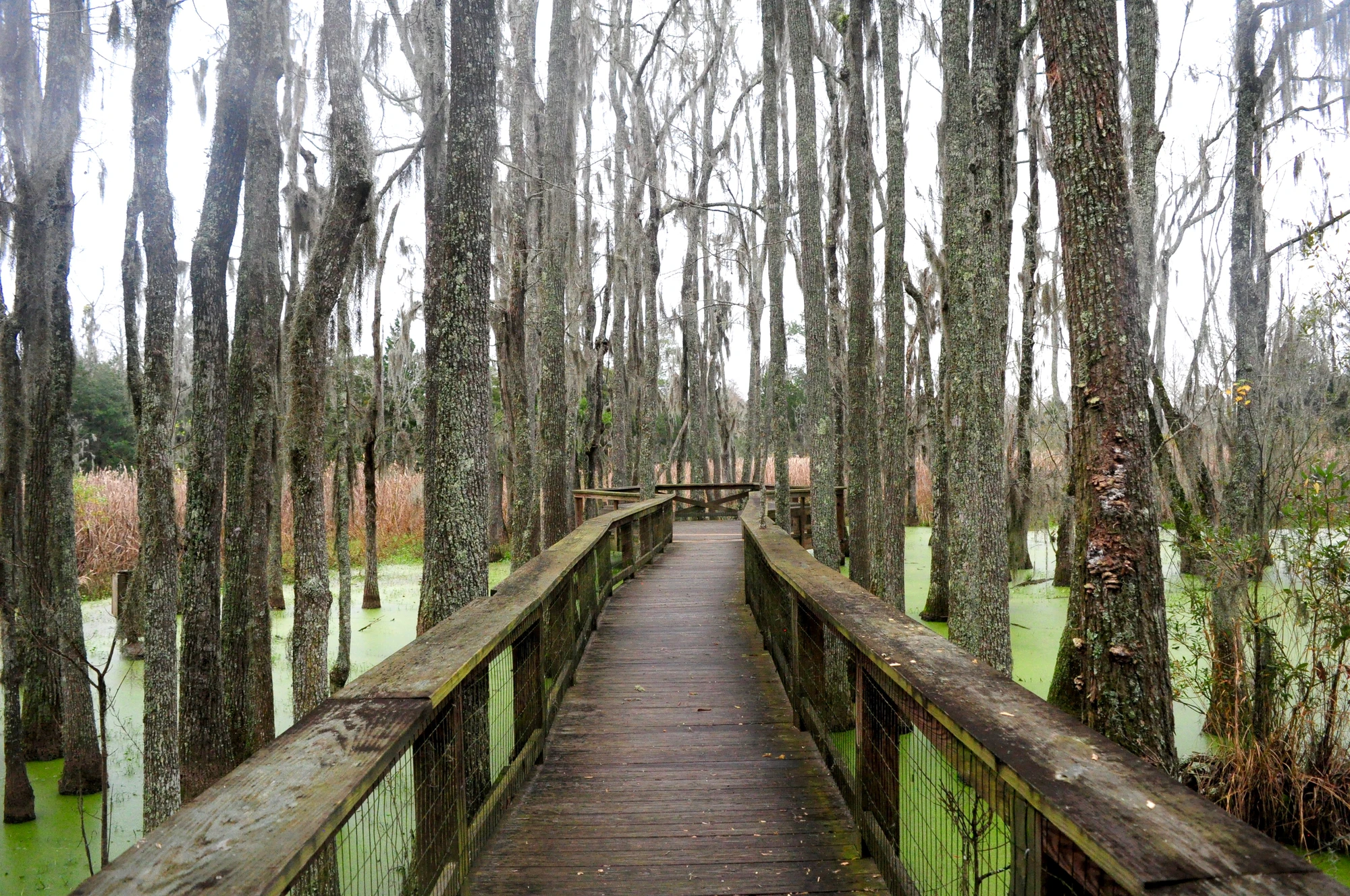
A serene pathway winds through the Audubon Swamp Garden on a rainy summer day, set outside the historic Magnolia Plantation in Charleston, South Carolina. The lush landscape features towering cypress trees draped with Spanish moss, a hallmark of Southern wetlands, reflecting the rich biodiversity and natural beauty of the region. This tranquil scene captures the essence of the Lowcountry's unique ecosystem. Visitor Guide
Charleston’s Lowcountry stacks easy, accessible nature with history: boardwalk strolls through the Audubon Swamp Garden, tidal paddles on the Ashley River, and a historic-district loop for walking and cycling. Pack a morning for birdwatching and swamp light, then add a harbor or plantation experience—each pairs easily into a half- or full-day itinerary depending on your pace and interests.
Explore experiences ↓Your guide to places, experiences, and adventures.
Get to know the place
Attractions worth a closer look.
THE GOOD STUFF STARTS HERE
Experiences in Charleston.

Charleston, United States
Charleston BYOB Morning Harbor Cruise & Beach Beachcombing Excursion on Southern Charm
from $499USD

Charleston, United States
Charleston Harbor Cruise: White Point Battery to Fort Sumter with Captain Gene
from $199USD


Charleston, United States
Patriot Escape Charleston Self-Guided Revolutionary Scavenger Hunt
from $12USD

Charleston, United States
Charleston Chucktown Crusade Scavenger Hunt — Interactive City Quest
from $22USD


Charleston, United States
Charleston Haunted Booze & Boos Ghost Walking Tour — Haunted Downtown Bar Crawl
from $39.42USD

Charleston, United States
Charleston Water Taxi Dolphin Cruise: Harbor Hop, Sightseeing & Dolphin Watch
from $17USD

Charleston, United States
Charleston Haunted Pub Crawl: Spirits, History & Boozy Ghost Stories
from $36USD

Charleston, United States
Middleton Place Guided Tour with Lunch and Roundtrip Transport from Charleston
from $128.50USD

Charleston, United States
Historic Horse & Carriage Tour of Charleston — 1-Hour Downtown Sightseeing
from $45USD

Charleston, United States
90-Minute Charleston Harbor Cruise — Fort Sumter, USS Yorktown & Dolphins
from $40USD


Charleston, United States
Private Luxury Sunset Boat Tour in Charleston Harbor — Intimate Evening Cruise
from $415USD


Charleston, United States
Charleston Zipline Canopy Tour: 7‑Line Forest Canopy with 65‑ft Climbing Wall
from $104USD

Charleston, USA
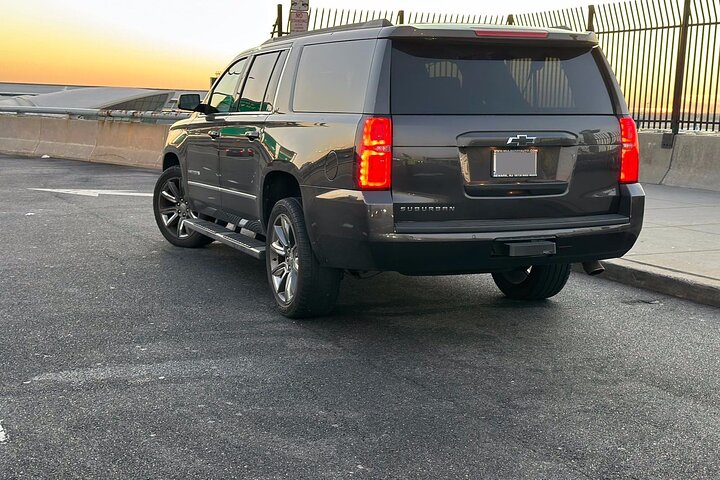
Private Charleston Airport (CHS) Transfer to Isle of Palms and Sullivan's Island
from $147.65USD

Charleston, United States
Two Charleston Plantations in One Tour: Middleton Place and Drayton Hall
from $175USD


Charleston, United States
Sinfully Delicious Dessert Tour: Charleston Historic Sweets & Spirits Walking Experience
from $175USD
Listed starting prices may vary by option, travel date and group size. Confirm the final total and availability on Viator. Sponsored links: we may earn a commission from qualifying bookings.
GET TO KNOW THE PLACE
Why Visit Charleston's Lowcountry
A rainy summer morning in the Audubon Swamp Garden feels purposeful: the trail drinks the sky while cypress trunks stand like patient sentries and Spanish moss sways overhead. That intimacy with water and forest is the Lowcountry’s appeal—gentle, biodiverse, and shaped by tides. It’s terrain that rewards slow attention: short walks, tidal paddles, and garden time that combine into layered days rather than single grand climbs.
The landscape around Magnolia Plantation and the Audubon Swamp Garden is a lesson in water and time. Where rivers once braided across marsh, tides still pull and push the land—depositing silt, shaping channels, and feeding the salt-tolerant plants that define the region. The soils are flat, the horizons low, and the drama is horizontal: light skimming over water, herons threading the shallows, and tree trunks wearing moss like weathered mantles. Southern wetlands are not alpine conquest; they invite you to move deliberately, to read the tide charts and the weather, and to let small encounters—an alligator’s tail vanishing, a thrush’s call—compose the day.
Charleston’s human story is stitched into the same map. Plantations, port history, and living Gullah-Geechee traditions reflect centuries of trade, labor, and cultural exchange. Magnolia’s gardens show cultivated landscape traditions that sit beside wilder marshland, making it simple to pair a garden tour with a swamp walk in one visit. Practically, plan mornings for the swamp and either late afternoons or high tide paddles when bird activity and light are best. Parking and access are straightforward but can fill during holiday and festival periods, so allow extra time and consider weekdays for quieter conditions.
If you’re prioritizing experiences, choose sensory variety over distance: a boardwalk walk for close wildlife viewing, a short river paddle for tidal perspective, and a historic-street ride or walk to balance nature with architecture and food. Dress for humidity, bring footwear that tolerates mud and boardwalks, and carry an offline map if you stray from the garden gates. For photographers and naturalists, the Lowcountry rewards early starts and patient observation—nature here doesn’t rush, but it does offer surprises if you stay alert.
PLAN YOUR VISIT
When to go.
Best months
March, April, May, October, November
Weather
Spring and fall offer mild temperatures and clearer days; summers are hot, humid, and often bring brief afternoon thunderstorms; winters are generally mild but cooler and quieter.
Peak season
Spring (flowering and festivals) and summer holidays are busiest—book tours and lodging in advance and aim for early starts to avoid mid-day crowds.
Beyond the peak
Late fall and winter offer lower prices and quieter sites with brisk, pleasant weather; be mindful of muddy or saturated boardwalk approaches after heavy rains.
PACK WITH PURPOSE
What to bring.
optional
- Compact picnic kit or snacks
- Action camera or telephoto lens for wildlife
- Field guide for local birds and plants
essential
- Light layers for humidity and cooler mornings
- Reusable water bottle and hydration (staying hydrated in heat)
- Traction footwear or rubber-soled shoes
- Sun protection (hat, sunscreen, UV-protective clothing)
- Offline map or downloaded directions for plantation and river access
- Insect repellent for marsh and swamp edges
recommended
- Light rain shell for summer storms
- Small dry bag for cameras and electronics
- Packable binoculars for birding
- Headlamp if you plan pre-dawn or late-day activities
FIND YOUR PACE
Choose your kind of adventure.
advanced
Tide-aware navigation and longer backwater paddles that require planning and strong route familiarity.
- Multi-hour tidal paddles requiring navigation skills
- Guided backwater exploration that includes shallow-water route-finding
- Early-morning wildlife photography sessions in remote marsh reaches
beginner
Gentle, low-effort activities focused on observation and short walks suitable for most fitness levels.
- Boardwalk strolls through Audubon Swamp Garden
- Guided garden tour at Magnolia Plantation
- Short birdwatching sessions near the river edge
intermediate
More active half-day outings that mix paddling, cycling, and longer exploratory walks.
- Self-guided kayak on calm sections of the Ashley River
- Cycling loop through the Historic District and waterfront
- Half-day guided marsh ecology paddle
BEFORE YOU GO
Your questions, answered.
Do I need a guide for the Audubon Swamp Garden or can I go self-guided?
Most visitors explore the Audubon Swamp Garden on self-guided boardwalks and paths, but guided tours add depth on flora, fauna, and history—book a guide if you want expert interpretation.
Is kayaking the Ashley River safe for casual paddlers?
Many sections are suitable for casual paddlers with basic experience; pay attention to tides and currents and consider a guided paddle if you’re unfamiliar with tidal navigation.
How much time should I plan for a plantation and swamp visit?
Plan a half-day to combine Magnolia Plantation gardens with a swamp walk; extend to a full day if you add a river paddle or guided tour.
What should I do in case of summer storms?
Monitor local forecasts, move to shelter when storms roll in, and shift plans to indoor plantation exhibits, a museum, or a historic-district food stop if conditions turn severe.
How do I get between downtown Charleston and Magnolia Plantation?
Most visitors use a short drive or arranged shuttle; your lodging or a travel agent can arrange transfers if you prefer not to rent a car.
Are the boardwalks and gardens accessible for those with limited mobility?
Many boardwalks and formal garden paths are accessible, but conditions vary—check specific site accessibility info in advance or ask your agent to confirm details.