


Charleston, United States
Historic Horse & Carriage Tour of Charleston — 1-Hour Downtown Sightseeing
from $45USD

VAYCAI · DESTINATION GUIDE
Charleston pairs city-side exploration with saltwater adventure: stack a morning of tidal-creek paddling with an afternoon of historic walking and an evening beach run. Expect lowcountry marshes, barrier-island surf, and bikeable neighborhoods that make it simple to mix water, wildlife, and culture in one practical itinerary.
Your guide to places, experiences, and adventures.
Get to know the place
THE GOOD STUFF STARTS HERE
Charleston, United States

Charleston, United States

Charleston, United States

Charleston, United States


Charleston, United States


Charleston, United States

Charleston, United States

Charleston, United States

Charleston, United States

Charleston, United States

Charleston, United States

Charleston, United States

Charleston, United States

Charleston, United States
Listed starting prices may vary by option, travel date and group size. Confirm the final total and availability on Viator. Sponsored links: we may earn a commission from qualifying bookings.
GET TO KNOW THE PLACE
Salt air meets antebellum architecture in a place where the water keeps nudging the city’s rhythm. Charleston makes coastal adventure accessible: you can launch a paddleboard from a neighborhood dock, pedal to a riverside marsh, and slip into a lowcountry seafood spot without long transfers. It’s an efficient mash-up of urban comforts and tidal wilderness that rewards short-trip planners and slow-explorers alike.
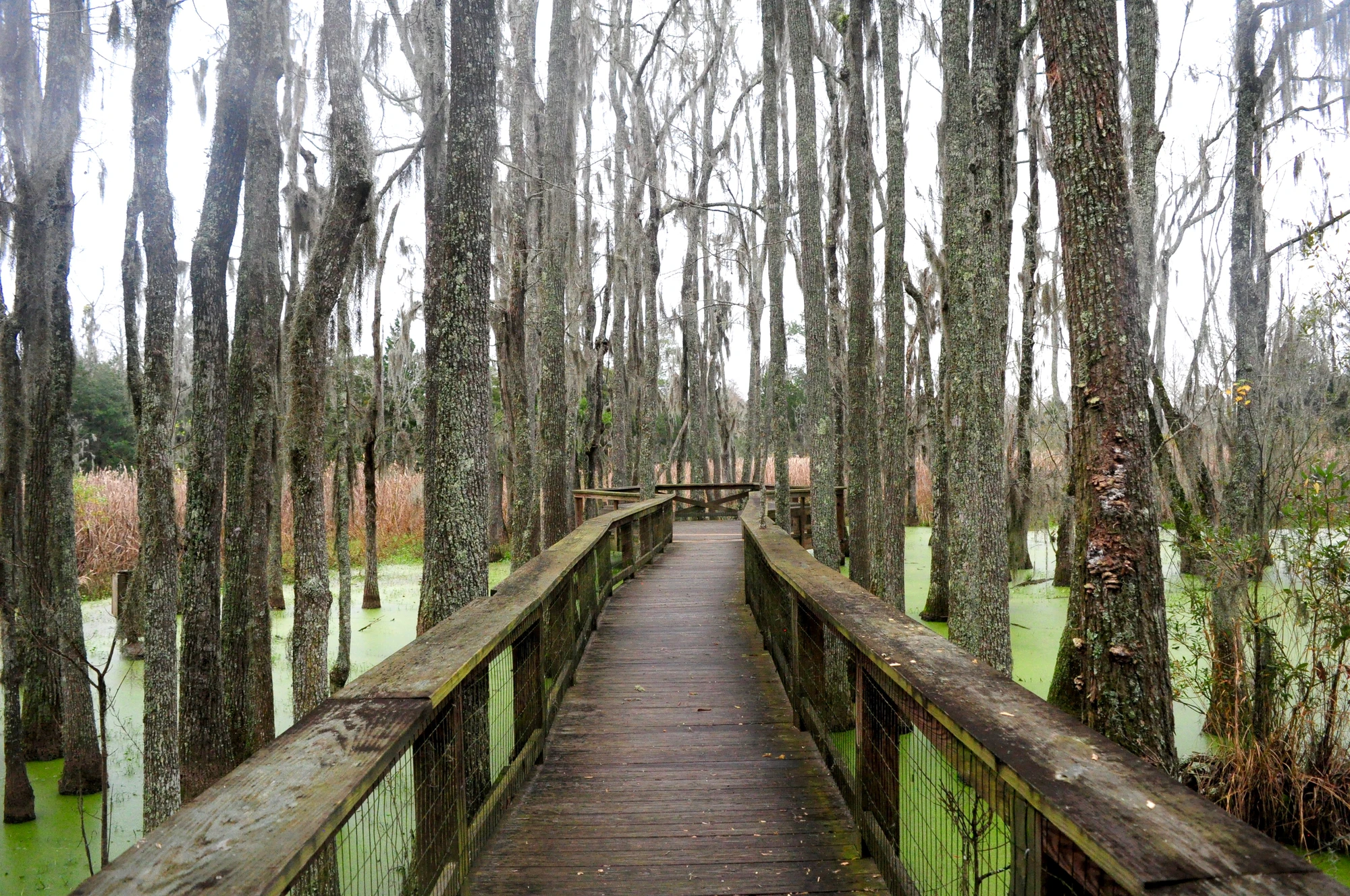
Walk into Charleston at dawn and the city feels purposeful rather than rushed. Boats loaf on the Cooper and Ashley, gulls argue over the morning tide, and streets of oaks drip moss that frames brick sidewalks. That interplay — water pressing up against historic neighborhoods — is the city’s constant. Geologically the Lowcountry is defined by its flatness and its tides: marshes and inlets flood and reveal with predictable regularity, creating sheltered waterways ideal for kayaking, stand-up paddleboarding, and birding. That same flatness means outdoor days are rarely vertical adventures; instead they’re about rhythm, tide windows, and the steady satisfaction of coastal navigation.
Charleston’s history is visible in its plan — wharves, warehouse conversions, and plantation landscapes that speak to centuries of trade and cultivation. Cultural layers show up in food and music: waterfront towns where seafood and oysters anchor menus, in markets that start early, and in neighborhoods where bike lanes and walking tours make exploration practical. Timing matters: spring and fall bring the sweetest combination of mild temps and migratory birds, while summer is hot and afternoon thunderstorms will insist you plan around them. Access is straightforward from the city center: many launch points and bike routes are minutes from historic hotels, which lets you stack activities—paddle in the morning, walk Rainbow Row, cycle to a salt marsh at golden hour.
To plan a day, think of tides and transit as your prime logistics. Early morning paddles usually offer glassy water and fewer boats; midday is good for bike loops and neighborhood exploration; late afternoon is prime for beachcombing and sunset on a barrier island. If you want a guided outing, book in advance for weekends and holidays. For self-guided days, download an offline map, check tide tables, and keep a dry bag dry—things change fast on tidal creeks. Prioritize one water experience and one cultural stop per day to keep energy up and transit times low, and you'll leave with the best mix Charleston offers without feeling rushed.
PLAN YOUR VISIT
March, April, May, September, October, November
Spring and fall are generally mild and ideal for outdoor activities; summer brings heat, humidity, and frequent afternoon thunderstorms, while winters are mild and quieter for urban exploration.
Peak visitation occurs in spring and parts of fall, especially around festivals and holidays; book lodging and guided experiences in advance and prefer early starts to avoid midday crowds.
Winter and late summer offer lower rates and fewer people; be mindful of occasional wet or muddy lowcountry trails and reduced service hours for some operators.
PACK WITH PURPOSE
FIND YOUR PACE
Skill-heavy coastal navigation and endurance outings that demand planning, tide knowledge, and occasionally technical boat handling.
Gentle, low-effort outings focused on easy access and calm conditions suitable for first-time paddlers or casual walkers.
Longer routes and mixed-terrain days that require basic navigation and fitness, including tide-aware paddles and longer bike tours.
BEFORE YOU GO
A guide is helpful if you’re new to tides or unfamiliar with local currents; experienced paddlers can go self-guided if they check tide tables and shore-launch conditions.
Plan two to four days to combine a water outing, a historic walk, and a beach or barrier-island visit without rushing.
Yes — easy beach days, calm marsh paddles, and short bike rides make it accessible for older kids; prioritize shallow, sheltered launch sites for younger children.
Have indoor pivots ready—museums, local aquariums, culinary experiences, or a timed historic tour—and keep flexible bookings for morning water activities when storms often arrive in the afternoon.
Tides influence launch and landing points and scenery; check local tide tables before paddling and schedule excursions around favorable windows.
Public transit covers parts of the city, but rental cars, bikes, or shuttle services are more practical for barrier-island access and dispersed launch points.