A VAYCAI STORY · THE ADVENTURE COLLECTIVE
Owakudani: Where Steam, Sulfur and Fuji Collide
Steam, kuro-tamago and panoramic Fuji — a concise field guide to Hakone’s bubbling heart.

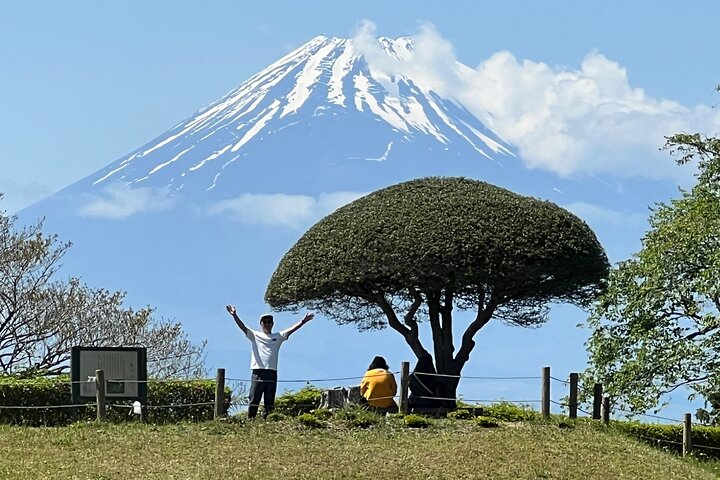
You step off the Hakone Ropeway and the mountain greets you with an honest, elemental voice: a hiss of steam, the faint tang of sulfur, and the low rumble of a landscape still slowly rearranging itself. From the ropeway cabin the valley opens like a theater — jagged vents exhaling white plumes, blackened outcrops, and, if the sky is playing fair, a distant, perfectly conical Mount Fuji slicing the horizon. This is Owakudani, the volcanic heart of Hakone, a place where geology performs in full view and small, human rituals — buying a kuro-tamago (a blackened egg boiled in volcanic hot springs) or craning your neck for a Fuji sighting — feel both modest and profound.
Owakudani (literally “great boiling valley”) sits on the northern flank of the Hakone caldera. Roughly 3,000 years ago, the eruption that shaped this terrain left behind a hollow that collects steam and hot gas today; you are literally walking on an active chapter of the Earth’s biography. The landscape reads like a pared-down drama: sulfurous vents puffing like exhalations, mineral-stained rocks, and a network of short boardwalks and observation points that let you watch steam and chemistry at work without getting too close.
This raw geology has a subtle human story woven into it. From the Edo period onward, Hakone’s hot-spring culture and mountain shrines drew travelers escaping the heat of the city or seeking spiritual respite. Owakudani’s black eggs became part culinary curiosity, part folklore — locals have long told the playful line that eating a single kuro-tamago adds seven years to your life. Today those eggs are a brief, smoky rite for day-trippers and onsen fans who pair a visit here with a cruise on Lake Ashi and a soak at a ryokan.
The practical reason most visitors reach Owakudani is the Hakone Ropeway. The ropeway itself is part of the attraction: the ascent gives a layered perspective of Hakone’s mosaic — verdant slopes, the scuff of the caldera, and Lake Ashi’s dark mirror. Many full-day itineraries from Tokyo stitch the highlights together: a morning jet from the city via Odawara or Hakone-Yumoto, a ride on the Hakone Tozan Railway, the cable car and ropeway to Owakudani, then a late-afternoon cruise on the themed Hakone Pirate Ship across Lake Ashi, with the red torii of Hakone Shrine punctuating the lakeshore.
Owakudani’s walking options are short and concentrated. The core observation area is compact — plan for 30–90 minutes to take in the vents, walk the boardwalks and buy a kuro-tamago. There are steeper side tracks and viewpoints that add a bit of climb and perspective; if you want a longer outing, combine the ropeway stop with a walk toward Sounzan or continue to Togendai for lake views. The terrain is rocky, sometimes windy, and often carrying the sharp mineral odor common to volcanic fields. For people with respiratory sensitivities, that’s an important consideration.
Practical things matter here: the ropeway can close when gas concentrations spike, and the Owakudani observation area has been intermittently restricted for safety in recent years. Always check the Hakone Ropeway status before you plan your visit and build flexibility into your schedule. A Hakone Free Pass makes logistics easier: it bundles train, cable car and ropeway fares and simplifies connecting to other experiences like the Hakone Open-Air Museum or the Lake Ashi cruise. Many operators also offer day tours from Tokyo that pair Owakudani with Mount Fuji viewpoints, Oshino Hakkai’s clarity ponds, and a return on the Shinkansen for time-pressed travelers.
How to experience Owakudani well: go early on a clear day when air is crisper and Fuji is likelier to appear. Dress in layers — the ropeway ascent leads to cooler, wind-exposed ridgelines — and wear sturdy footwear for short rocky sections and boardwalks. Bring cash for small purchases (black eggs, snacks, souvenirs) and consider a lightweight mask or bandana if sulfur fumes irritate you. If you’re combining Owakudani with Hakone’s other draws, allow time for a relaxed onsen soak later — a warm bath feels earned after the valley’s mineral show.
For photographers, the ropeway frames dramatic compositions: steam plumes in the foreground, the caldera’s broken rim, and Fuji in the distance when conditions cooperate. Late afternoon light softens volcanic colors; morning gives crisper air and a better shot at a clear Fuji. Use a polarizer for sky contrast and a mid-range zoom to compress Fuji behind the valley’s details.
Owakudani is a place that rewards small, thoughtful visits. It’s not a long hike or a technical climb — it’s a geological vignette, best sampled with curiosity and some practical preparation. Pair it with a Lake Ashi cruise, a visit to Hakone Shrine’s torii, the Hakone Open-Air Museum or the hot springs at nearby ryokan, and you have a balanced day of motion, history and restorative heat. The valley’s steam will still be here, whispering the old chemistry of the earth, whether you taste a black egg or simply stand with your hands in your pockets and watch the mountain breathe.
A few things worth knowing.
Check ropeway and park status
Owakudani can close temporarily due to volcanic gas — verify Hakone Ropeway operating status before you leave Tokyo.
Bring a face covering
Sulfur fumes can irritate sensitive lungs or eyes; a lightweight mask or bandana helps on windy days.
Time your visit for views
Mornings or clear autumn days offer the best chance to see Mount Fuji above the valley’s steam.
Combine with Lake Ashi
Pair Owakudani with a Hakone Pirate Ship cruise and Hakone Shrine to make a full, satisfying day trip.
The local thread.
Owakudani formed following a major eruption of Mount Hakone roughly 3,000 years ago; it has long been woven into local bathing culture and pilgrimage routes.
A closer look
- Sounzan viewpoint — a quieter vantage reached by a short ropeway hop with wide valley perspectives
- A tucked-away ryokan on the Hakone-Yumoto side where you can soak after your Owakudani visit
Wildlife you might see
- Japanese macaque (occasionally in mountain forests)
- Varied mountain birdlife, including tits and thrushes
Stick to boardwalks and marked trails to protect fragile geothermal terrain; support local onsen and eateries that follow sustainable water and energy practices.
A different story in every season.
spring
Spring brings cooling air and early blossoms across Hakone’s slopes; visibility can vary, so pick a clear day for Fuji views.
Good for
- milder temperatures
- early flower blooms
- fewer heavy holiday crowds
Plan around
- variable weather
- possible low cloud blocking Fuji views
summer
Summer shows Hakone at its greenest; expect warmer, more humid conditions and occasional afternoon storms.
Good for
- lush green landscapes
- combining onsen with cooler mountain air
- longer daylight
Plan around
- higher humidity
- occasional haze or thunderstorms
- more domestic travelers on holidays
fall
Fall is optimal: cooler, clearer air and autumn color. Arrive early to beat leaf-peeping crowds and catch Fuji at its sharpest.
Good for
- crisp air and clear Fuji shots
- autumn foliage
- comfortable hiking temperatures
Plan around
- weekend crowds during peak foliage
- rapid temperature swings
winter
Winter delivers some of the clearest views of Mount Fuji; dress warmly and plan shorter outdoor windows.
Good for
- clear, low-humidity Fuji views
- fewer tourists
- combining with hot-spring soaks
Plan around
- colder temperatures and wind
- shorter daylight hours
Pack a little wisdom.
- Sturdy walking shoesEssential
Craggy boardwalks and short rocky sections are best negotiated with supportive footwear.
- Windproof jacketEssential
The ropeway and exposed ridgelines can be significantly cooler and windier than the valley below.
- Reusable water bottleEssential
Hydration is important on warm days — water stations are limited around the observation area.
- Lightweight face mask or bandana
Helpful if sulfur fumes aggravate your throat or eyes during vent-area visits.
Through your own lens.
Use the ropeway for layered shots — steam plumes in the foreground with Mount Fuji behind. A polarizer enhances sky contrast; bracket exposures to retain detail in steam and distant Fuji. Early morning or late afternoon light is best; in winter the air is crisply clear.
Before you head out.
What to pack
sturdy walking shoes for rocky boardwalks; windproof jacket for exposed ridgelines; reusable water bottle to stay hydrated; cash for kuro-tamago and local vendors.
Did you know?
The black eggs (kuro-tamago) sold at Owakudani are boiled in the valley’s sulfur-rich hot springs; a local legend claims eating one adds seven years to your life.
Quick travel tips
1) Buy a Hakone Free Pass to simplify travel; 2) Arrive early for Fuji views and smaller crowds; 3) Check ropeway closures on volcanic alert days; 4) Carry small change for food stalls and souvenirs.
Local flavor
Taste the smoky kuro-tamago, then sink into an onsen at a nearby ryokan — local hospitality pairs hot springs with seasonal kaiseki and soba specialties, reflecting centuries of mountain travel culture.
Getting oriented
Getting there: Hakone Tozan Railway + Cable Car + Hakone Ropeway; Timing: 2–4 hours for a focused visit; Costs: ropeway fare or Hakone Free Pass recommended; Accessibility: partial — check station access; Safety: closures possible if gas levels rise.
Travel with care
Respect boardwalks and posted closures — geothermal fields are fragile and habitat-sensitive. Favor local ryokan and food stalls to support community-based tourism and sustainable water use.
The questions before the journey.
Is Owakudani safe to visit given its volcanic activity?
Yes — Owakudani is managed for visitors and boardwalks keep people a safe distance from vents; however, portions can close when gas levels rise, so check Hakone Ropeway advisories before you go.
What are kuro-tamago and where can I buy them?
Kuro-tamago are eggs boiled in Owakudani’s geothermal waters that turn black from sulfur and iron; they’re sold at stalls near the observation area while supply lasts.
How do I get to Owakudani from Tokyo?
Take the Odakyu line or JR to Odawara, then the Hakone Tozan Railway to Hakone-Yumoto, continue by cable car and Hakone Ropeway to Owakudani — a Hakone Free Pass covers most connections.
Can I see Mount Fuji from Owakudani?
Yes, on clear days Fuji is visible from Owakudani; mornings and autumn often offer the best visibility.
How long should I plan to spend at Owakudani?
Most visitors spend 30–90 minutes exploring the observation points and tasting a kuro-tamago; combine with other Hakone sights for a full day.
Is Owakudani accessible for people with limited mobility?
The main ropeway stations and some observation platforms are accessible, but boardwalks and paths may include steps and uneven surfaces; check with Hakone Ropeway for station accessibility details.
Original editorial content from The Adventure Collective; some writing uses automated assistance. Conditions and operator details can change. Confirm practical information before your visit. Suggest a correction.
FROM THE PAGE TO THE PLACE
Make a little room for adventure.
Keep exploring the place and its experiences.
Looking for more options? Explore Owakudani on Viator ↗
More ways to explore Hakone
Other experiences in the destination; check the itinerary for the places visited.
Hakone, Japan
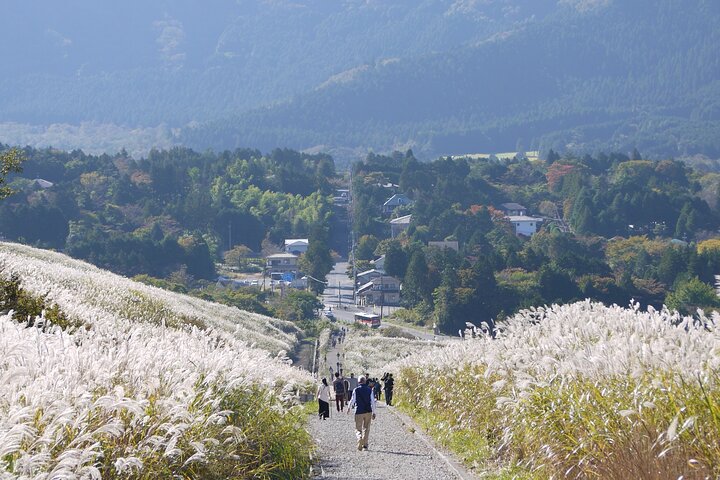
Hike Hakone Hachiri: Historic Tokaido Trail from Hakone Yumoto to Mishima


Listed starting prices and ratings are saved information, not confirmation of availability. Final prices, dates, and terms are confirmed on Viator. We may earn a commission from qualifying bookings through sponsored links.
KEEP YOUR CURIOSITY GOING
One story leads to another.

Hakone · Japan
Pirate Ships, Torii Gates, and Morning Light: Exploring Lake Ashi's Quiet Power
Glass water, cedar avenues, and a torii half-swallowed by the lake—Lake Ashi packages volcanic drama and genteel ritual into a day trip from Tokyo. Here’s how to time the light, choose hikes, and make the most of the ropeway and onsen.
Read the story ↗
Hakone · Japan
Where Fire, Forest and Sea Collide: A Traveler’s Guide to Fuji-Hakone-Izu National Park
From the volcanic teeth of Owakudani to the glassy reflections at Lake Kawaguchiko and Izu’s secret coves, Fuji-Hakone-Izu National Park compresses Japan’s dramatic geography into an unforgettable loop of mountain, valley and sea.
Read the story ↗