


VAYCAI · DESTINATION GUIDE
Hakone Travel Guide
Hakone stacks short, rewarding hikes with restorative onsen dips and scenic lake cruises, making it ideal for travelers who want mountain air and easy logistics. Combine ridgeline walks with a ropeway ride and an evening in a ryokan to balance active days and hot-spring recovery.
Lake AshinokoOwakudani ValleyHakone ShrineHakone Open-Air MuseumFuji-Hakone-Izu National Park
Explore experiences ↓Your guide to places, experiences, and adventures.
Get to know the place
Attractions worth a closer look.
THE GOOD STUFF STARTS HERE
Experiences in Hakone.


Hakone, Japan
Hike Hakone Hachiri: Historic Tokaido Trail from Hakone Yumoto to Mishima
from $156.66USD


Hakone, Japan
Hakone Day Tour: Lake Ashi Pirate Ship, Owakudani Ropeway & Gotemba Outlets
from $123.99USD


Hakone, Japan
Mt Fuji & Hakone: Lake Ashi Pirate Ship, Owakudani Vents & Ropeway Day Tour
from $142.50USD


Hakone, Japan
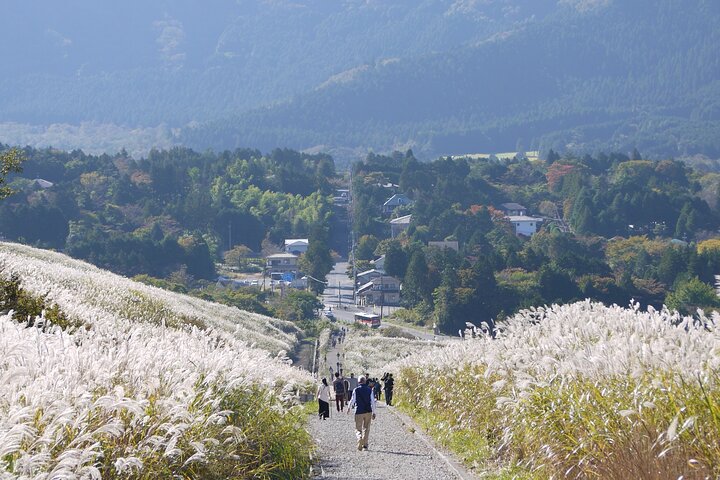
Hike the Old Tokaido: Hakone Historical Trail to Hakone Shrine and Lake Ashi
from $130.55USD



Listed starting prices may vary by option, travel date and group size. Confirm the final total and availability on Viator. Sponsored links: we may earn a commission from qualifying bookings.
GET TO KNOW THE PLACE
Why Hakone
Morning fog lifts off Lake Ashinoko while charcoal steam from hot springs fingers through the valley. Hakone feels built for stacking experiences: a steep but short hike, a ropeway that steals the skyline, a lakeside cruise, then an onsen to close the day. It’s a place where the land’s geology nudges every activity toward something memorable.
The story of Hakone is geological as much as cultural. A string of volcanic events carved crags, created sulfurous vents, and dammed valleys that now hold deep lakes. Those forces made the onsen that locals have used for centuries and the dramatic ridgelines that reward short, steep hikes with expansive views. People have traveled this corridor since the Edo period; the route was a checkpoint on the old Tokaido road, and villages grew up around the thermal springs. Today the infrastructure—rail, cable car, ropeway, and well-marked trails—means you can access varied terrain in the space of a single day without complex logistics.
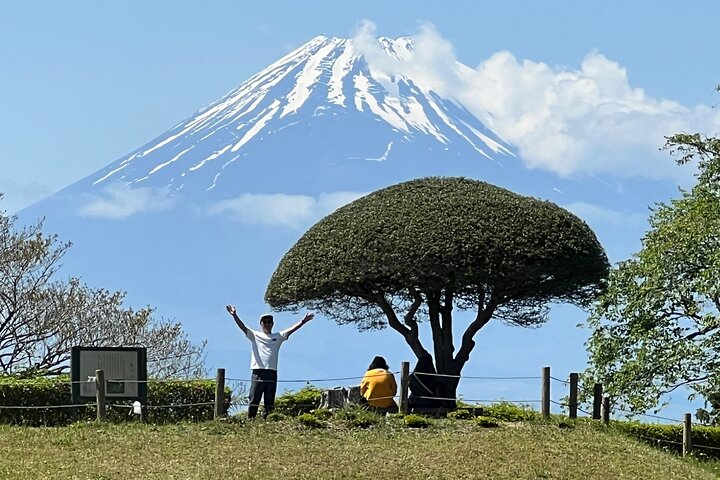
Planning here is about timing. Weekday mornings are quieter on the popular lakefront and museum loops; early starts open mountain vistas before cloud builds. The ropeway and shoreline cruises offer the best angles for Mount Fuji on clear days, but the mountain can hide, so stack your itinerary: choose two view-dependent activities on separate days. Trail surfaces range from paved promenades to rooty mountain paths; packs can stay light if you plan short, focused outings, and the presence of onsen towns lets you prioritize comfort at day’s end. Public transit links most trailheads and attractions, which makes short, modular plans realistic—meaning you can mix a museum half-day with an afternoon hike and a night in a ryokan.
For adventure travelers who like variety, Hakone is a compact base camp. Forested singletrack and quiet valley roads invite cycling and light mountain biking where permitted, while calm stretches of Lake Ashinoko accommodate paddling and polite lakeside exploration. Nature here has a presence: steam rolls from vents, ridgelines hold the weather line, and the lake mirrors whatever mood the sky chooses. Respect trail signs in geothermal zones and follow local etiquette at onsen—wash before entering communal baths and choose modesty guidelines suited to the ryokan. With modest fitness you can assemble days that feel full without feeling rushed, and with a little planning you can avoid the busiest windows and savor the rest.
PLAN YOUR VISIT
When to go.
Best months
April, May, October, November
Weather
Spring and autumn offer the clearest days for hiking and lake views; summers are warm with frequent afternoon showers, and winters are colder but less crowded. Weather can change quickly in mountainous areas, so expect variable conditions.
Peak season
The busiest periods are during spring cherry blossom and autumn foliage windows and national holidays; book ryokans and major experiences in advance and start early to avoid crowds.
Beyond the peak
Winter and the shoulder months offer lower rates and quieter trails; be mindful of colder conditions and possible snow at higher elevations, and choose well-maintained routes if wet or muddy.
PACK WITH PURPOSE
What to bring.
optional
- Binoculars for birding and Fuji watching
- Action camera or smartphone stabilizer
- Small picnic kit for lakeside breaks
essential
- Layered clothing for variable mountain weather
- Sturdy trail shoes with good traction
- Water bottle and snacks
- Sun protection (hat, sunscreen)
- Offline map or GPS app with downloaded maps
- Basic first-aid kit
recommended
- Light rain shell or windbreaker
- Headlamp for early starts or late returns
- Trekking poles for steep descents
- Dry bag for electronics near the lake or ropeways
FIND YOUR PACE
Choose your kind of adventure.
advanced
Suited to fit hikers and backcountry-oriented travelers who can handle longer, technical terrain and route-finding.
- Multi-segment ridgeline routes with steep ascents and descents
- Technical scrambling in rugged volcanic areas where permitted
- Long single-day runs linking peaks and lakeshores
beginner
Ideal for travelers who want short, low-elevation outings paired with cultural stops and onsen relaxation.
- Lakeside walks around Lake Ashinoko and easy promenade routes
- Half-day visits to the Hakone Open-Air Museum and nearby gardens
- Soaking in a public onsen or reserving a private ryokan bath
intermediate
For those comfortable with steeper terrain and longer days, combining ridge hikes with water and museum time.
- Day hikes on forested ridgelines with intermittent steep sections
- Paddling or calm-water exploration on Lake Ashinoko
- Cycling rolling roads and quieter valley lanes
BEFORE YOU GO
Your questions, answered.
Do I need a guide or can I go self-guided?
Many routes and attractions are accessible self-guided thanks to clear signage and public transit; hire a guide for volcanic-zone insights, targeted wildlife spotting, or custom multi-stop logistics.
Are onsen open to tourists and what should I know about etiquette?
Yes—onsen are generally open to visitors; wash thoroughly before entering shared baths, respect towel rules, and check if private baths are available if you prefer more privacy.
How much time should I plan for Hakone?
Two to three days gives you time for a hike, a ropeway or cruise, a museum visit, and an onsen stay; a single day can hit highlights if you prioritize and start early.
Is the area safe for hiking year-round?
Trails are generally safe in fair weather, but heavy rain, volcanic-spurts, or winter snow can alter conditions—check local advisories and adjust plans accordingly.
What transportation options connect Hakone to Tokyo?
Hakone is served by regional trains and private rail lines with onward buses; you can combine rail and local buses to reach major sights without a car.
Can I see Mount Fuji from Hakone?
Mount Fuji is visible on clear days from several viewpoints and lake cruises; because visibility varies, plan multiple view-dependent activities for the best chance to catch it.