


VAYCAI · ATTRACTION GUIDE
Lake Ashi (Ashi-no-ko) Visitor Guide
Lake Ashi is a compact adventure hub where short hikes, scenic boat cruises and ropeway skylines stack into one efficient day or a relaxed overnight. Combine forested ridgelines with water-based viewpoints and an onsen finish to savor both movement and rest. Plan around morning clears for Mt. Fuji views and book key transport or experiences in advance.
Hakone ShrineMount HakoneOwakudani ValleyHakone Ropeway
Explore experiences ↓Your guide to places, experiences, and adventures.
Get to know the place
Attractions worth a closer look.
THE GOOD STUFF STARTS HERE
Experiences in Hakone.


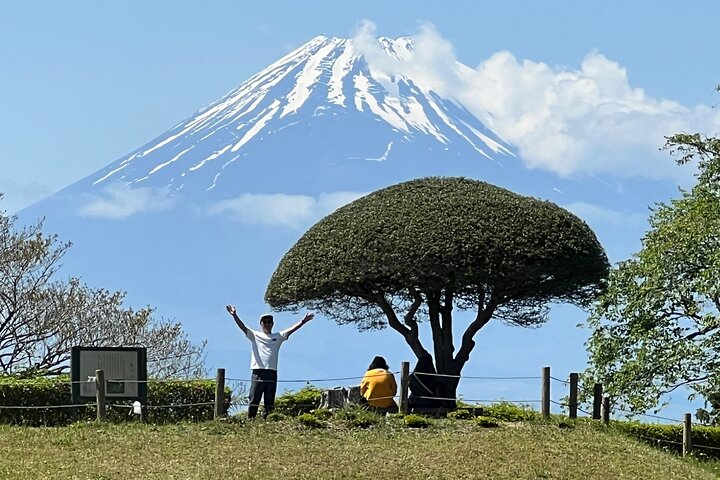
Hakone, Japan
Hike Hakone Hachiri: Historic Tokaido Trail from Hakone Yumoto to Mishima
from $156.66USD


Hakone, Japan
Hakone Day Tour: Lake Ashi Pirate Ship, Owakudani Ropeway & Gotemba Outlets
from $123.99USD


Hakone, Japan
Mt Fuji & Hakone: Lake Ashi Pirate Ship, Owakudani Vents & Ropeway Day Tour
from $142.50USD


Hakone, Japan
Hike the Old Tokaido: Hakone Historical Trail to Hakone Shrine and Lake Ashi
from $130.55USD

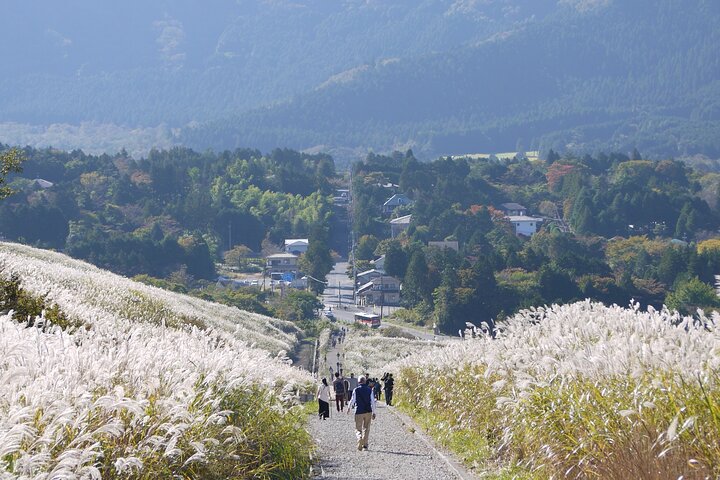


Listed starting prices may vary by option, travel date and group size. Confirm the final total and availability on Viator. Sponsored links: we may earn a commission from qualifying bookings.
GET TO KNOW THE PLACE
Why Lake Ashi Works for Adventure Travelers
Mist hugs the lakeshore at dawn, and the vermilion torii of Hakone Shrine pins the horizon like a punctuation mark. From that quiet edge the landscape opens: volcanic slopes hold forests, and the ropeway lifts you over a valley that still exhales steam. Lake Ashi rewards short, deliberate choices—an hour-long cruise, a morning ridge hike, an afternoon soak—so you can stack active experiences into a concise, satisfying itinerary.
Lake Ashi sits in a volcanic caldera carved and refilled over millennia; Mount Hakone’s complex of peaks and fumaroles is why steam wells in nearby Owakudani and why the lake’s shoreline falls away into steep, wooded benches. The place has been a cultural waystation for centuries—pilgrims once paused at the lakeside shrines, and today those same paths are used by hikers and day-trippers from Tokyo. Nature here nudges you into movement: the ridgelines hold views, the winds push across the water, and the trees insist you slow down and listen. For planners, that geology matters: heavier rain can make steeper trails slippery, and visibility for Mt. Fuji is famously conditional, so plan flexible windows for your best views.
Practical timing and access are part of the experience. Hakone is compact but popular; you can reach Lake Ashi by train plus a short bus or cable combo from major stations, and once there the ropeway and sightseeing boats make it easy to move without a car. Prioritize early mornings for clear lakeside light and mid-week visits if you want quieter platforms and smaller crowds on trails. If your trip includes an onsen night, book lodgings with transport—many ryokan provide shuttle details—and use the ropeway schedule to coordinate hikes and cruises. Short days can be built into a larger Tokyo escape or extended into multi-day ridgeline traverses if you crave more remote terrain.
Local culture layers on quietly useful rules: modesty and cleanliness in onsen, cash-friendly small vendors, and an etiquette of giving way on narrow forest paths. Food is a reliable reward—local soba, mountain vegetables, and hot springs-steamed snacks—and simple logistics like coin lockers at key stations keep gear light for short hikes. If you stack experiences—morning hike, mid-day cruise, afternoon ropeway, evening onsen—you get a full, varied Hakone day without overreaching. For any technical or seasonal questions, check transport and ropeway notices; weather can change visibility and access quickly, and that will shape whether you emphasize water time or ridge time.
PLAN YOUR VISIT
When to go.
Best months
April, May, October, November, March
Weather
Spring and autumn bring the most stable, pleasant conditions for hiking and clear views; summer is warmer with occasional storms and winter is quieter but can be chilly with reduced services. Visibility for Mt. Fuji is variable and often better in cooler, drier months.
Peak season
The busiest periods are spring flower and autumn foliage weeks; plan ahead, book accommodations early, and start mornings early to beat crowds and secure favorable views.
Beyond the peak
Off-peak months offer lower rates and quieter trails; expect shorter daylight and some weather-related route limitations, so choose sturdier trails and confirm transport schedules.
PACK WITH PURPOSE
What to bring.
optional
- Binoculars for bird and distant-Mt. Fuji viewing
- Compact picnic kit for lakeside stops
- Action camera or travel tripod
essential
- Layered clothing for variable mountain and lakeshore temperatures
- Sturdy traction footwear for wet or uneven trails
- Sufficient water and snacks
- Sun protection (hat, sunscreen, sunglasses)
- Offline map or downloaded transit schedules
recommended
- Light rain shell or windbreaker
- Headlamp if you have late returns
- Trekking poles for steep descents
- Dry bag for electronics on rainy days
FIND YOUR PACE
Choose your kind of adventure.
advanced
Advanced options emphasize longer, steeper traverses and multi-activity days that demand endurance and route planning.
- Full-day ridge traverse linking multiple Hakone peaks
- Technical ascents with steep, exposed sections and scramble moves
- Extended multi-stage itineraries combining backcountry trails and lake transfers
beginner
Beginner-friendly options are short, low-elevation activities that showcase the lake and cultural sights with minimal gear.
- Lakeside stroll and visit to Hakone Shrine
- Sightseeing boat cruise across Lake Ashi
- Short ropeway hop with viewpoint stops
intermediate
Intermediate travelers can combine moderate ridge trails with aerial views and extended shoreline exploration.
- Half-day hike onto Mount Hakone ridgelines for panoramic views
- Loop combining ropeway access and crater-edge walking
- Scenic road cycling around designated local routes
BEFORE YOU GO
Your questions, answered.
Do I need a guide or can I explore Lake Ashi on my own?
Many visitors self-guide using local maps and public transport; hire a guide if you want interpretive hikes, off-trail insights, or help timing Mt. Fuji viewing windows.
How much time should I allocate for a good visit?
A focused day trip can cover a morning hike, a midday cruise, and an afternoon ropeway plus shrine visit; two days gives relaxed hiking and an onsen night.
Are water activities like kayaking available?
Some paddling and water-based options are available seasonally or via guided operators; check permissions and conditions ahead of time and consider a dry bag for electronics.
What are the safety considerations on trails?
Trails can be steep and slippery after rain; wear traction-capable shoes, carry water, and start hikes in daylight. Check ropeway and trail notices for closures.
How do I improve my chances of seeing Mount Fuji?
Aim for early mornings in cooler months with low humidity, and build flexible windows into your itinerary so you can pivot if visibility improves for a different day.
Is Lake Ashi accessible from Tokyo for a day trip?
Yes; multiple train options connect Tokyo to Hakone-area stations followed by local buses or ropeway links to the lake, but plan earlier departures to maximize daylight.