


VAYCAI · DESTINATION GUIDE
Kanagawa Prefecture Travel Guide
Kanagawa Prefecture, Japan, compresses mountain ridgelines, coastal stretches, and geothermal hot springs into a compact playground. Stack morning ridge hikes in the Tanzawa or Hakone areas with afternoon paddles or seaside cycling on the Miura Peninsula, and finish with a restorative onsen. It’s an efficient, varied itinerary for travelers who want both elevation and sea on the same trip.
HakoneYokohama BayMiura PeninsulaSagami BayTanzawa Mountains
Explore experiences ↓Your guide to places, experiences, and adventures.
Places to explore
Choose your next stop.
THE GOOD STUFF STARTS HERE
Experiences in Kanagawa Prefecture.
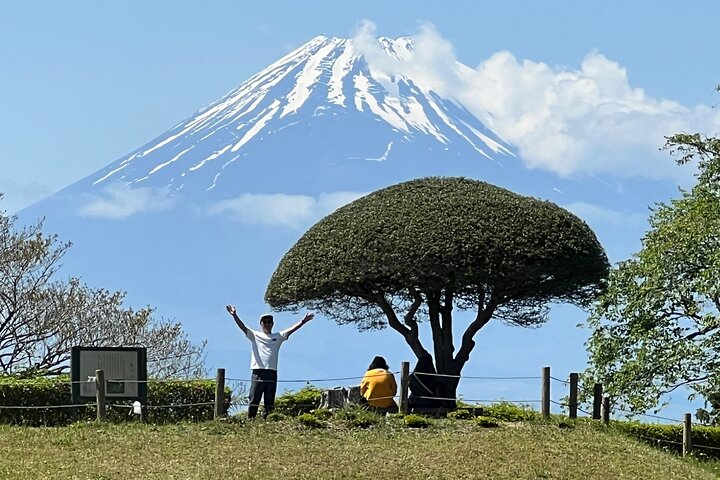
Hakone, Japan
Hike Hakone Hachiri: Historic Tokaido Trail from Hakone Yumoto to Mishima
from $156.66USD


Kamakura, Japan
Kamakura, Enoshima & Yokohama Day Trip from Tokyo — Private Van Coastal Tour
from $457.32USD


Listed starting prices may vary by option, travel date and group size. Confirm the final total and availability on Viator. Sponsored links: we may earn a commission from qualifying bookings.
GET TO KNOW THE PLACE
Why Kanagawa Matters for Adventurers
Step onto a ridge at dawn and the Pacific unfurls below while inland forests hold the day’s quiet. Kanagawa is a compressed landscape: volcanic slopes, river-cut valleys, and a working coastline that nudges you toward both technical routes and mellow seaside days. It’s ideal for stacking activities—short hikes plus coastal paddling and cultural stops—without long drives between experiences.
The geology here gives you variety inside a short radius. Volcanic activity shaped Hakone’s lakes and hot springs, while uplifted ranges like Tanzawa offer folded ridgelines, granite outcrops, and wooded saddles that feel remote despite proximity to metropolitan Tokyo. Rivers carve narrow valleys that funnel microclimates—cherry blossoms and spring green one week, golden maples the next—and coastal cliffs and beaches introduce salt air that changes how trails feel. Nature here is lively: the sea calls you toward low, wind-polished headlands while the mountains hold cool shade and quiet streams. Because routes are compact, you can plan an early-morning summit, an afternoon coastal ride, and a hot-spring soak all in one sensible loop.
Culturally, Kanagawa threads modern ports and historic post towns. Yokohama’s working harbor and ramen alleys are practical refueling points between outdoor legs. Small onsen towns near volcanic vents have inns where mountain hikers and coastal riders cross paths; booking a night at a ryokan can be as much part of the trip as the trail. Logistics are straightforward: regional trains and local roads link major trailheads and coastal access points, and many popular short hikes are reachable as day trips. Time your outings around weather windows—spring and autumn tend to offer the most stable conditions—and expect afternoon sea breezes or sudden showers in summer. Respect local etiquette on trails and in hot springs: keep noise down, follow posted routes, and carry out what you carry in.
For planning, prioritize variety over distance. Build itineraries that alternate exertion and recovery: a ridgeline morning where legs work hard, a flat coastal bike in the afternoon that lets you spin out the lactic acid, and an onsen session to reset. If you need help stitching transits, timed train connections, lodging that handles bike storage, or guided paddling for unfamiliar currents, a planner saves time and reduces friction. With the right planning you’ll make the most of short travel windows—arrive early, pick the right microclimate, and leave room for a late-afternoon view before the light falls.
PLAN YOUR VISIT
When to go.
Best months
March, April, May, October, November
Weather
Spring and autumn offer the most stable, pleasant conditions for hiking and coastal activities; summers bring higher temperatures, humidity, and sudden storms, while winters are cool and quieter with clearer air inland.
Peak season
Golden Week and autumn foliage weekends are the busiest times; plan to start early, book lodging ahead, and expect popular trailheads and onsen towns to fill up.
Beyond the peak
Winter and early spring provide quieter trails, better chances for solitary ridge time, and lower rates; be mindful of muddy trails after rain and check mountain access in colder months.
PACK WITH PURPOSE
What to bring.
optional
- Binoculars for seabird and coastline viewing
- Action camera for ridge and paddle footage
- Compact picnic kit for seaside lunches
essential
- Layered clothing for variable mountain and coastal conditions
- At least 1–2 liters of water and a refill plan
- Traction-capable hiking footwear with ankle support
- Sun protection (hat, sunscreen, sunglasses)
- Offline map or downloaded route and a charged phone
recommended
- Light rain shell and quick-dry base layers
- Headlamp for early starts or late returns
- Trekking poles for steeper or rooty sections
- Dry bag for coastal paddles or rainy days
FIND YOUR PACE
Choose your kind of adventure.
advanced
Steeper alpine approaches, longer multi-day route stacks, and exposed ridgelines test experienced travelers.
- Long ridge-to-ridge traverses with route-finding elements
- Fastpacking multi-day loops combining mountains and coastal passages
- Technical rock scrambles and route-finding on less-maintained trails
beginner
Short, well-marked trails and flat coastal routes make Kanagawa welcoming for beginner adventurers.
- Gentle forest walks in foothill areas
- Leisurely cycling on coastal roads of the Miura Peninsula
- Introductory stand-up paddling in sheltered bays
intermediate
A mix of steeper ridge sections and longer coastal rides challenge mid-level adventurers without technical gear.
- Daytime ridge hikes with varied elevation gain
- Multi-hour coastal bike loops combining climbs and flats
- Guided sea kayak trips near headlands and small islands
BEFORE YOU GO
Your questions, answered.
Do I need a guide to hike in Kanagawa?
Many short trails are well-marked and doable self-guided, but hiring a local guide helps on less-traveled ridgelines, improves navigation in fog, and adds cultural context.
How easy is it to combine mountain and coastal activities in one trip?
Very doable—Kanagawa’s compact geography lets you plan ridge hikes in the morning and coastal paddles or cycling in the afternoon with manageable transfers.
Are onsen open to visitors and how should I prepare?
Most onsen welcome visitors; follow local etiquette (wash before entering, no swimsuits in traditional baths). Some ryokan require reservations for overnight stays.
What about public transport and reaching trailheads?
Regional trains and buses service many trailheads, but some access points are easier with a short taxi ride or rental car—check the final leg before you go.
Is it safe to paddle or kayak off the coast?
Coastal paddling is popular in sheltered bays; currents and weather vary, so check conditions, avoid open-ocean launches without experience, and consider a guided session if unfamiliar.
How long should I plan for an introductory Kanagawa trip?
A long weekend allows a good sampler—one mountain morning, one coastal afternoon, and an onsen night—but a five- to seven-day trip lets you explore multiple zones at a relaxed pace.