
VAYCAI · DESTINATION GUIDE
Odawara Travel Guide
Odawara sits where the Pacific nudges rocky shore and steep volcanic foothills hold afternoon mist. Stack short coastal walks and castle visits with half-day hikes into Hakone, a scenic drive along Sagami Bay, and a dip in onsen after a long day on the trails. It’s compact, connected to Tokyo, and ideal for combining culture, sea views, and mountain air in one tidy itinerary.
Odawara CastleHakone MountainsSagami BayHakone-Yumoto
Explore experiences ↓Your guide to places, experiences, and adventures.
THE GOOD STUFF STARTS HERE
Experiences in Odawara.
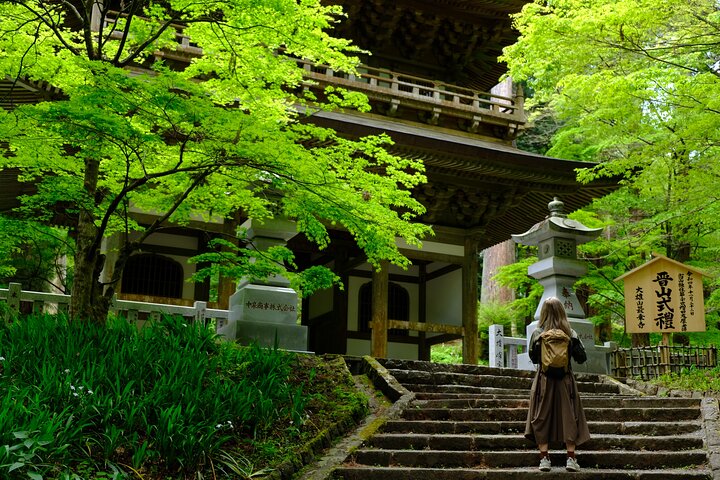
Listed starting prices may vary by option, travel date and group size. Confirm the final total and availability on Viator. Sponsored links: we may earn a commission from qualifying bookings.
GET TO KNOW THE PLACE
Why Go to Odawara
Odawara feels layered: a compact coastal town with a samurai past that opens quickly into Hakone’s volcanic landscape. It’s a pragmatic base for outdoor days that mix short hikes, scenic drives, tidal flats, and cultural stops—good for travelers who want variety without heavy transit. Plan to balance half-day hikes with coastal time and reserve an evening for onsen and local seafood.
Walk toward Odawara Castle at dawn and the town still smells of the sea; gulls punctuate the quiet and the castle keep sits low against the backdrop of rising hills. Those hills are the front edge of a volcanic system, the same tectonic drama that shaped Hakone’s hot springs and rugged ridgelines. Trails here tend to be forested and rooted, with bamboo and cedar lending a green hush; ridgelines lift views across Sagami Bay when the fog relents. The terrain is honest but forgiving, which makes Odawara a natural staging point for mixed-ability groups who want access to both coastal and mountain experiences.
Odawara’s history is measured in trade routes and fortifications: the castle town once guarded approaches between coastal ports and inland plains. That history translates into compact neighborhoods where local markets still trade fish and seasonal produce, and into short cultural detours that pair well with active days. Geology matters: volcanic soils drain differently, so trails can be dusty in late summer and quickly muddy after rain. For planning, that means flexible routing—schedule steep ridge hikes for drier mornings and keep flatter coastal or cultural activities as rain pivots.
Practical travel patterns are straightforward. Odawara is well connected by rail to Tokyo and to Hakone, so you can base in town and do day loops without changing hotels every night. Prioritize morning starts on weekends to beat local hikers to popular viewpoints, and consider midweek for quieter roads if you rent a car. Evening onsen visits and seafood dinners are an easy way to recover after a long day on the trail. Above all, respect local trail etiquette: leave no trace, yield on narrow stairs and singletrack, and be prepared for sudden weather turns at higher elevation.
PLAN YOUR VISIT
When to go.
Best months
March, April, May, October, November
Weather
Spring and autumn offer the clearest hiking weather and comfortable temperatures; summer brings humidity and a rainy season in early summer, while winter is cooler and drier with quieter trails. Weather can change quickly at higher elevations.
Peak season
The busiest times are spring cherry blossom windows and autumn foliage weeks; during these periods book lodging and transport early and plan for early starts to beat crowds.
Beyond the peak
Winter and parts of shoulder seasons offer lower rates and empty trails; be mindful of colder temperatures and potential icy patches, and choose lower-elevation routes if conditions are wet or muddy.
FIND YOUR PACE
Choose your kind of adventure.
advanced
Longer ridge routes and technical singletrack that require good fitness and route-finding skills.
- Extended ridge-to-ridge hike into Hakone terrain
- Technical trail running on volcanic trails
- Open-water paddling or coastal navigation in variable conditions
beginner
Short, low-elevation activities and gentle coastal walks ideal for newcomers or casual active travelers.
- Odawara Castle grounds and town walk
- Harbor-side stroll along Sagami Bay
- Short onsen visit and town market exploration
intermediate
Half-day hikes into forested foothills and moderate bike rides that mix climb, descent, and scenic stretches.
- Forest ridge hike with ocean viewpoints
- Coastal cycling loop with rolling terrain
- Guided paddle in sheltered bays near Odawara
BEFORE YOU GO
Your questions, answered.
How do I get to Odawara from Tokyo?
Take the JR Tokaido Line or Odakyu express services; travel time is about an hour depending on train type. Trains are frequent and reliable.
Do I need a guide for day hikes?
Many trails are suitable for self-guided hikers with good navigation skills, but a guide adds local insight, route flexibility, and language support—useful for mixed-ability groups.
Are trails safe for solo hikers?
Trails are generally safe but can be remote; tell someone your route, start early, carry a charged phone and basic kit, and check weather forecasts.
How much time should I allocate to explore Odawara and Hakone?
A two- to four-day trip lets you combine a castle visit, a coastal ride, and one or two half-day hikes into Hakone without rushing.
Can I combine an onsen visit with outdoor activities?
Yes—onsen are an ideal post-activity recovery. Book popular baths ahead on weekends and follow local rules about bathing etiquette.
What should I do in case of sudden rain or typhoon warnings?
Monitor local weather alerts, postpone exposed ridge hikes, pivot to museums, coastal walks, or onsen, and follow evacuation guidance if authorities issue warnings.