
VAYCAI · DESTINATION GUIDE
Kawasaki Travel Guide
Kawasaki is a compact, contrast-rich stop between Tokyo and Yokohama where river corridors, a surprising pocket of ravine forest, and a working industrial waterfront stack into half-day and full-day adventures. Combine easy riverside cycles, short urban hikes in Todoroki, and waterfront photo expeditions to create an itinerary that balances nature, culture, and gritty coastal views with minimal transit time.
Tama RiverTodoroki RavineKawasaki DaishiKeihin Industrial Zone
Explore experiences ↓Your guide to places, experiences, and adventures.
THE GOOD STUFF STARTS HERE
Experiences in Kawasaki.
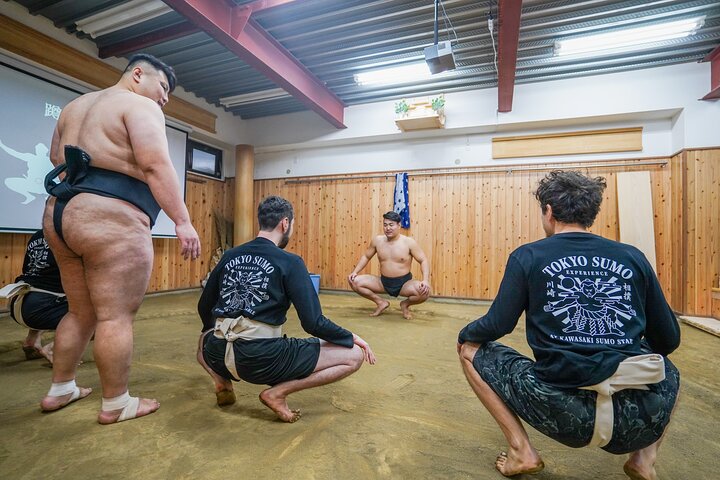
Kawasaki, Japan
Enter the Sumo Stable: Watch Morning Practice, Try a Match & Eat Chanko-Nabe
from $168.41USD


Listed starting prices may vary by option, travel date and group size. Confirm the final total and availability on Viator. Sponsored links: we may earn a commission from qualifying bookings.
GET TO KNOW THE PLACE
Why Visit Kawasaki
Kawasaki doesn’t present itself like a wilderness destination, but it rewards travelers who look for edges — where river and city meet, where ravine forests hold cool shade, and where the industrial shoreline glints at sunset. It’s a place to build layered days: short hikes, river rides, and urban exploration that fit neatly into Tokyo or Yokohama-based plans.
Walk the Tama River and you’ll feel the river nudge the city into small, green margins. The river’s levees offer long, flat cycling routes and wide views; bridges punctuate the skyline and ferries once threaded the water here. Todoroki Ravine is a sudden fold of older forest—a narrow, cool corridor that seems to resist the sprawl. Trails there are short but restorative: mossy banks, lei of ferns, and a creek that moves with intent. Those pocketed green spaces make Kawasaki ideal for stacking nature into otherwise urban days.
Kawasaki’s character comes from layers of history: a post-town and river crossing that later evolved into an industrial hub. That transformation left a shoreline of factories, ports, and steel infrastructure that photographs like a modern ruin at dusk. Cultural touchstones—temples, local markets, and seasonal festivals—sit alongside newer development. Geologically the terrain is largely lowland floodplain carved by the Tama River, which explains the flat, fast cycling routes and the presence of occasional ravines where older riverine channels and streams persist.
Practically, Kawasaki is a logistics-friendly base for short outdoor adventures. Trains connect quickly to central Tokyo and Yokohama, so you can plan half-day hikes in the morning and an industrial waterfront shoot in the evening. Prioritize early starts for quiet ravine walks and aim for golden hour along the Keihin shoreline. Pack layers: river winds, ravine shade, and exposed coastal air demand flexibility. If you’re timing tidal paddling or riverside photography, check conditions and local access; some shoreline zones are working areas with restricted entry.
PLAN YOUR VISIT
When to go.
Best months
March, April, October, November
Weather
Spring brings mild temperatures and cherry blossoms; autumn offers crisp air and clearer skies. Summers are hot and humid with occasional storms, while winters are cool and generally dry.
Peak season
The busiest periods are spring blossom season and autumn foliage weekends; plan early departures and book rentals or guided experiences ahead of time.
Beyond the peak
Summer and winter offer quieter trails and lower rates; be mindful of summer heat, rain, and slippery sections after storms, and dress warmly and check wind exposure on the waterfront in winter.
PACK WITH PURPOSE
What to bring.
optional
- Binoculars for birdwatching along river corridors
- Action camera or tripod for waterfront photography
- Small picnic kit for riverbank breaks
essential
- Layered clothing for variable microclimates
- Reusable water bottle and snacks
- Traction footwear for uneven ravine paths
- Sun protection (hat, sunscreen)
- Offline map or GPS with downloaded routes
recommended
- Light rain shell
- Headlamp or compact flashlight
- Collapsible trekking poles for slippery sections
- Dry bag for electronics near the water
FIND YOUR PACE
Choose your kind of adventure.
advanced
Multi-segment days that combine fast river rides, technical singletrack or steep ravine scrambles nearby, and logistics-focused paddling or night photography.
- Fast-paced river interval rides with ferry or rail links
- Technical descents and steep approaches in nearby hill pockets
- Tactical shoreline paddling with tidal planning and safety gear
beginner
Short, low-effort routes suitable for walkers and casual cyclists who want scenic river views and easy temple visits.
- Riverside walk along the Tama River levees
- Stroll through Todoroki Ravine’s shaded paths
- Visit Kawasaki Daishi temple precinct and nearby markets
intermediate
Longer cycles, mixed-terrain walks, and timed coastal photo sessions that require moderate fitness and route planning.
- Extended bike loop linking river paths and shoreline viewpoints
- Combined ravine walk plus urban exploration circuit
- Golden-hour industrial waterfront photography session
BEFORE YOU GO
Your questions, answered.
Do I need a guide to explore Kawasaki’s river and ravine areas?
Most riverside paths and the Todoroki Ravine can be explored self-guided with basic navigation skills, but a local guide helps with cultural context, safe access points, and photography spots.
How long should I allocate for a typical outdoor day in Kawasaki?
Plan a half-day for a focused ravine walk or riverside cycle and a full day if you want to combine hiking, waterfront exploration, and cultural visits without rushing.
Is Kawasaki suitable for family outings?
Yes; many levee paths and park areas are family-friendly, but supervise kids near water and industrial shoreline, and avoid restricted docks.
How do I get around between outdoor spots?
Regional trains and local buses provide good coverage; many attractions are a short walk from stations, and bike rentals are a practical way to link river and shore routes.
What safety considerations should I keep in mind?
Watch for changing weather, check tide and river conditions if planning paddling, respect signage near working industrial areas, and bring basic first-aid and communication tools.
What weather plan should I use if it rains?
Have a rain shell and a backup urban plan—museums, temples, and covered shopping areas make good pivots when trails are wet or rivers run high.