


VAYCAI · ATTRACTION GUIDE
Fuji-Hakone-Izu National Park Visitor Guide
Hakone packs mountain hiking, lake paddling, volcanic landscapes and restorative onsens into a compact loop that’s ideal for stacked adventures. Hike forested ridgelines for Mount Fuji glimpses, take a scenic drive or ropeway for dramatic panoramas, and finish days soaking in hot springs—each element is easily combined into a 2–4 day trip.
Lake AshiOwakudani ValleyHakone ShrineHakone Yumoto
Explore experiences ↓Your guide to places, experiences, and adventures.
Get to know the place
Attractions worth a closer look.
THE GOOD STUFF STARTS HERE
Experiences in Hakone.


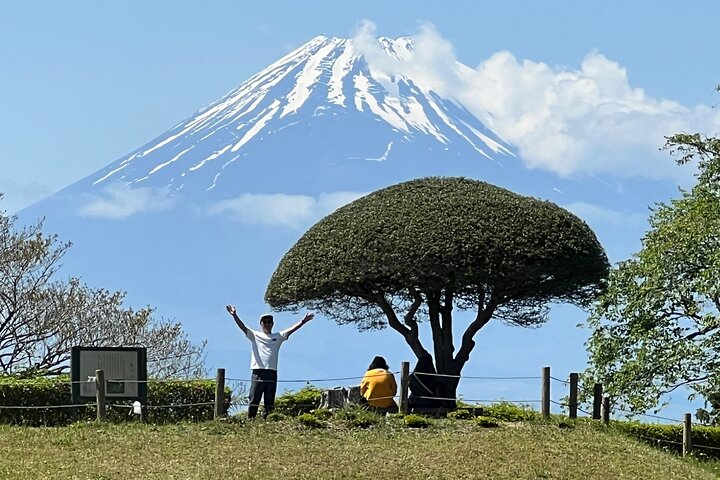
Hakone, Japan
Hike Hakone Hachiri: Historic Tokaido Trail from Hakone Yumoto to Mishima
from $156.66USD


Hakone, Japan
Hakone Day Tour: Lake Ashi Pirate Ship, Owakudani Ropeway & Gotemba Outlets
from $123.99USD


Hakone, Japan
Mt Fuji & Hakone: Lake Ashi Pirate Ship, Owakudani Vents & Ropeway Day Tour
from $142.50USD


Hakone, Japan
Hike the Old Tokaido: Hakone Historical Trail to Hakone Shrine and Lake Ashi
from $130.55USD

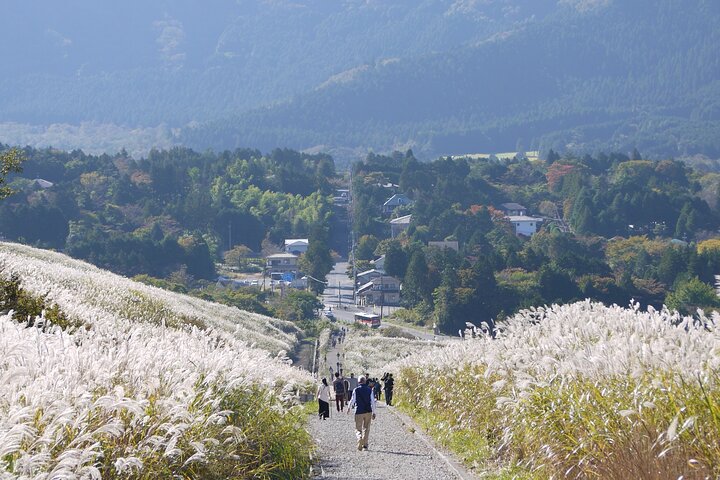


Listed starting prices may vary by option, travel date and group size. Confirm the final total and availability on Viator. Sponsored links: we may earn a commission from qualifying bookings.
GET TO KNOW THE PLACE
Why Go: Peaks, Steam, and Onsen Recovery
A low, volcanic archipelago of experiences, Hakone channels mountain energy into compact itineraries: ridgelines hold views of Mount Fuji, thermal valleys huff steam, and the lake reflects alpine sky. It’s an easy place to stack a hike, a scenic boat, and a restorative onsen in a single day, making it ideal for travelers who want variety without long travel days.
Walk into Hakone and the landscape announces itself in layers: cedar forest, volcanic scar, and then the sudden open water of Lake Ashi. Geologically the area sits on the flanks of the Fuji-Hakone-Izu volcanic arc; steam vents and sulfur-scented springs are reminders that the ground is alive. Local history is stitched to the routeways—pilgrim tracks, teahouses, and lakeside shrines that once welcomed travelers across the inland sea. Those cultural touchstones make short hikes feel like passage through time, not just exercise.
Planning is pragmatic here. Many trailheads and attractions are connected by a patchwork of buses, a ropeway, and short ferries, so you can design loops rather than point-to-point treks. Spring and autumn deliver the clearest hiking conditions and the best views of Mount Fuji; summer brings heat and afternoon storms, while winter offers quiet trails and onsen steam in a small crowd. Because the park is compact, you can pair an uphill ridge stroll with a mellow boat ride and finish at a ryokan with an onsen—no long gear schleps required.
Culture and cuisine extend the adventure. Small soba shops and onsen ryokans are as much part of the day as the trail; a good meal and a hot soak accelerate recovery and connect you to place. Trails range from gentle lakeside promenades to volcanic scree and steeper forest routes that test balance and footing, so pack traction and layers. Nature here nudges you to slow down: the fog will roll in, the ropeway will lift you above steam, and the lake will hold its mirror until you’re ready to cross.
PLAN YOUR VISIT
When to go.
Best months
March, April, May, October, November
Weather
Spring and autumn generally offer the clearest hiking days and comfortable temperatures; summer can be hot with afternoon thunderstorms and winter brings cooler days and occasional snow on higher trails. Expect rapid visibility changes around the lake and ridgelines.
Peak season
The busiest periods are late April–early May (Golden Week) and the peak autumn foliage in November; during these windows book accommodation and popular activities well in advance and aim for early departures to avoid crowds.
Beyond the peak
Winter and late-season weekdays offer quieter trails and atmospheric onsen experiences; be mindful of snow or icy patches on exposed routes and shorter daylight—choose lower-elevation loops if conditions look uncertain.
PACK WITH PURPOSE
What to bring.
optional
- Binoculars for bird and Fuji viewing
- Action camera or compact camera
- Compact picnic kit
essential
- Layered clothing for variable mountain weather
- Sturdy hiking shoes with good traction
- Water bottle and snacks
- Sun protection (hat, sunscreen, sunglasses)
- Offline map or downloaded GPS route
recommended
- Light rain shell
- Headlamp for early starts or late returns
- Trekking poles for steep or wet sections
- Dry bag for electronics near the lake
FIND YOUR PACE
Choose your kind of adventure.
advanced
Advanced days include sustained elevation, exposed volcanic terrain, route-finding on less-traveled tracks, and multi-day combinations with nearby ranges.
- Long technical ridge-to-ridge days linking multiple peaks
- Winter alpine-style hikes with crampons if conditions require
- Multi-day backpacking that connects Hakone with nearby volcanic landscapes
beginner
Beginner options include short lakeside walks, easy shrine approaches, and gentle onsen visits that require minimal technical gear.
- Strolls around Lake Ashi and lakeside viewpoints
- Ropeway or sightseeing boat rides for panoramic views
- Short forest walks to nearby shrines and tea houses
intermediate
Intermediate adventurers can expect longer ridge hikes, mixed terrain with some elevation gain, and short scrambling on volcanic scree.
- Ridgeline hikes with Mount Fuji viewpoints
- Looping routes combining ropeway and trails
- Mountain biking on designated local routes
BEFORE YOU GO
Your questions, answered.
Do I need a guide to hike in Hakone?
No—many trails are well-marked and suitable for self-guided hikers, but guided hikes add local interpretation, off-route options, and better planning for weather or volcanic activity.
How long should I plan for a meaningful Hakone visit?
A focused 2–3 day itinerary lets you stack a ridge hike, a lake cruise, and an onsen stay; a single day can sample highlights but will feel rushed.
Is Hakone family-friendly?
Yes—there are gentle lakeside walks, ropeway rides, and shorter nature trails suited to families, plus easy access to onsens and museums.
What about safety around Owakudani and volcanic vents?
Follow posted warnings and stay on designated paths; steam vents can be hot and conditions can change, so check local advisories before visiting thermal areas.
How do I get between trailheads and attractions?
Use the local bus network, ropeway, and sightseeing ferries to stitch together loops; plan transfers ahead, especially during peak season when services fill.
Can I combine Hakone with a trip to Mount Fuji?
Yes—Hakone offers excellent vantage points for Mount Fuji and pairs well with day trips to Fuji Five Lakes or longer climbs, depending on your itinerary and time.