A VAYCAI STORY · THE ADVENTURE COLLECTIVE
Pirate Ships, Torii Gates, and Morning Light: Exploring Lake Ashi's Quiet Power
Sail, hike, soak, and watch Fuji appear: a practical guide to Hakone’s most cinematic lake.

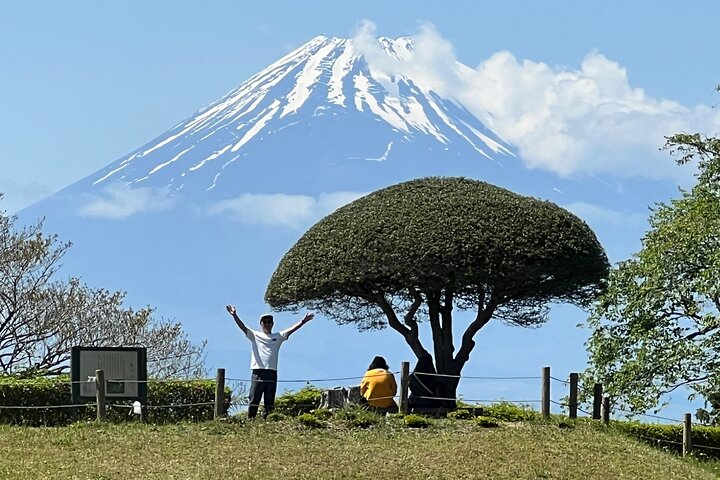
By the time the first commuter trains have emptied into Tokyo, a different sort of movement takes place 90 minutes west: mist lifts from a dark ribbon of water, and a black-hulled sightseeing boat cleaves the glassy surface of Lake Ashi as if it were cutting a page. You stand on the bow, wind in your face, watching cedar forest roll toward a ring of volcanic peaks. When the clouds give way, the clean cone of Mount Fuji rises like a punctuation mark over the water—sudden, precise, almost theatrical.
Lake Ashi (Ashi-no-ko) is not a great lake in size but in a certain theatricality. Cradled in the caldera of volcanic Mount Hakone, the lake’s shore is a stitched landscape of shrine steps, cedar avenues, and tatami-matted ryokan tucked behind steam vents and pine. The most obvious invitation is the cruise: whimsical “pirate” boats ply the water, ferrying sightseers between Hakone-Moto, Hakone Garden, and Togendai. But the lake rewards a slower, layered exploration—walking the shoreline at dawn, hiking into fir forests for panoramic ridgelines, and slipping into a hot spring as steam rises into a cold evening.
Geology gives Lake Ashi its mood. A volcanic collapse tens of thousands of years ago carved the basin; later eruptions rearranged the skyline and fed the small sulfur vents at Owakudani. Those vents create the slightly mineral tang in the air and the famously black ‘kuro-tamago’ eggs boiled in the hot springs—an eccentric local specialty believed to grant extra years of life. For travelers, this is both a sensory backdrop and an axis around which activities orbit: ropeway rides over steaming valleys, pilgrimage strolls to Hakone Shrine’s torii that sits half-submerged in the lake, and summit hikes that take you above the tree line to where Fuji asserts itself.
A short cultural note: Lake Ashi sits on the old Tokaido route, and the Moto-Hakone area preserves the checkpoint and cedar-lined roads travelers once used. The region has long been a place to recover from city life—samurai and merchants stopped here; today it’s visitors seeking onsen, open air, and perspective.
What to do and why it suits Lake Ashi
- Boat Cruises: The iconic option, these 30–40 minute sailings are less about speed and more about framing: the torii of Hakone Shrine low against shore pines, the silhouette of Komagatake to starboard, Fuji sometimes peeking. Reserve morning crossings for the best chance at clear, reflective water.
- Hakone Ropeway & Owakudani: From Togendai take the ropeway over mineral vents to Owakudani. The ropeway gives a rare overhead read of the caldera’s steam fields and, on clear days, a direct line to Fuji. Check operating status—sulfur fumes close the ropeway intermittently.
- Shoreline Walks & Short Hikes: A gentle loop along Moto-Hakone to the shrine and cedar avenue is under 2 miles; for more effort, the Mount Komagatake trail starts at the Komagatake Ropeway station and climbs roughly 300–400 meters of elevation over 2–3 km to a ridge with 360° views.
- Onsen and Ryokan: After a day of wind, water, and altitude, nothing is more appropriate than soaking in an open-air bath while watching steam mingle with the pines.
Practical guide: timing, logistics, and fitness
Best hours: early morning for still water and Fuji reflections; late afternoon for softer light and fewer crowds. Boats run frequently from the main piers—expect regular departures but fewer services in winter. Hakone is an easy day trip from Tokyo (Odakyu Romancecar or JR to Odawara then local transit) but to experience onsen and the lake at dawn, plan an overnight in Hakone town.
Fitness and terrain: Shore walks are flat and accessible; ridge hikes to viewpoints are moderate—expect steep switchbacks, a few exposed sections, and loose volcanic scree near summits. A typical short hike to Komagatake’s summit will take 1.5–3 hours round-trip depending on pace and viewpoint stops.
Essentials and etiquette: Bring a lightweight waterproof layer—the weather can change quickly—and good traction shoes for muddy trails. If you visit an onsen, remember to bathe clean before entering and follow the no-tattoo policies or seek tattoo-friendly baths.
Why travelers should go now
Lake Ashi is a compact, layered destination where geology, history, and modern-day leisure overlap in manageable, transportable pieces. Families can enjoy a pirate ship and lakeside stroll; solo travelers can hike ridgelines and watch Fuji unfurl; food-minded visitors can hunt down the kuro-tamago, tempura, and a seasonal kaiseki dinner in a local ryokan. Most of all, Lake Ashi offers a reminder that Japanese landscapes often work like stage sets—carefully framed, quietly intense, and best appreciated by moving slowly through them.
Plan with a practical edge: check the Hakone Free Pass for rail and bus savings, time your ropeway visit around wind and sulfur advisories, and steer clear of weekend crowds if you want solitude. Bring a camera, but leave room to simply look. The place rewards attention—an open view of Fuji is cinematic, yes, but the deeper small moments are the ones that linger: a cedar-shaded path, a wooden torii standing in shallow water, the hiss of steam from a distant vent.
Lake Ashi is not a single postcard; it’s a small constellation of experiences that snap into focus when you move between water, trail, and hot-spring. Come early, travel slowly, and let the lake decide how your day unfolds.
A few things worth knowing.
Catch the morning calm
Take the earliest boat or arrive at the Hakone Shrine before 8am for still water and the best chance of a Fuji reflection.
Layer for quick weather swings
Temperatures can drop near the water and on ridgelines—pack a light waterproof shell and an insulating mid-layer.
Mind the ropeway alerts
Owakudani’s sulfur emissions close the ropeway intermittently—check local advisories before planning that leg.
Respect onsen etiquette
Shower thoroughly before entering baths and follow signage about tattoos or gendered facilities.
The local thread.
Lake Ashi sits on the historic Tokaido route and formed part of feudal travel and checkpoint systems in Edo-period Japan.
A closer look
- The cedar-lined Old Tokaido road near Moto-Hakone—quiet at dawn and rich in history
- The small Hakone Checkpoint museum and reconstructed watchtower for a sense of Edo-era travel
Wildlife you might see
- Japanese macaque (in surrounding forests)
- Black kite and other raptors above the lake
The Hakone area manages visitor flow through passes and signage; stick to trails, pack out waste, and respect onsen rules to minimize impact.
A different story in every season.
spring
Late April to May offers mild temperatures and often clear skies, making it ideal for boat cruises and ridge hikes—expect more visitors during Japanese holidays.
Good for
- Fuji reflections on clear mornings
- Cherry and early-blooming azaleas
- Pleasant hiking temperatures
Plan around
- Unpredictable rain showers
- Crowds during Golden Week
summer
Summer brings dense green forests and warm evenings; pick early starts to avoid heat and summer storms.
Good for
- Lush green trails
- Long daylight for multi-stop days
- Cooler evenings by the water
Plan around
- Higher humidity and occasional typhoons
- Thicker foliage can obscure distant views
fall
Autumn is arguably the lake’s most photogenic season, with vivid maples contrasted against evergreen cedar—go midweek for quieter trails.
Good for
- Autumn foliage around the lake
- Crisp air with clearer Fuji views
- Comfortable hiking conditions
Plan around
- Shorter daylight hours
- Busy weekends during peak color
winter
Winter delivers the clearest distant views of Mount Fuji and a quieter lakeshore; pack warm layers and expect icy trail sections at elevation.
Good for
- Clear, sharp Fuji vistas
- Fewer tourists
- Onsen with snowy backdrops
Plan around
- Cold mornings and potential snow on higher trails
- Some services reduced in low season
Pack a little wisdom.
- Waterproof shellEssential
Protects against sudden rain and wind on boat decks and ridgelines.
- Sturdy hiking shoesEssential
Good traction for muddy forest paths and loose volcanic scree on summits.
- Lightweight daypack with hydrationEssential
Carry water, layers, camera, and onsen towel—hydration is crucial on sunny days.
- Compact tripod or stabilizer
Useful for low-light sunrise shots and long-exposure lake photos.
Through your own lens.
Shoot the Hakone Shrine torii at low tide/morning for mirror-like reflections; use a polarizer midday to reduce glare on the water; sunrise and late afternoon provide the best light—consider a 1–2 second exposure for silky water when clouds soften sunlight.
Before you head out.
What to pack
Daypack with hydration bladder (stays hands-free), lightweight waterproof shell (sudden rain), good hiking shoes (mud and scree), onsen towel and small toiletries (for post-hike soak).
Did you know?
Lake Ashi formed in the caldera of Mount Hakone after volcanic activity; the current lake basin dates to eruptions and collapses thousands of years ago.
Quick travel tips
Buy a Hakone Free Pass for transit savings; arrive early for sunrise reflections; book ryokan in advance during peak seasons; check ropeway status before planning Owakudani.
Local flavor
Hakone pairs hot-spring culture with simple mountain cuisine—try a kaiseki dinner at a ryokan and the famous kuro-tamago (black-shelled eggs) from Owakudani.
Getting oriented
Access: 85–100 min from Tokyo via Odakyu/Romancecar. Main hubs: Hakone-Yumoto, Moto-Hakone, Togendai. Key passes: Hakone Free Pass. Boat cruises: 30–40 min routes. Currency: yen; limited English at smaller shops.
Travel with care
Stick to marked trails, use refillable water bottles, and avoid single-use plastics; support local businesses and choose certified ryokan or operators that practice responsible waste and water management.
The questions before the journey.
How do I get to Lake Ashi from Tokyo?
Take the Odakyu Romancecar to Hakone-Yumoto (about 85–100 minutes) or JR to Odawara and then local buses or the Hakone Tozan Railway to Hakone-machi; the Hakone Free Pass bundles much local transport.
When is the best time to see Mount Fuji from Lake Ashi?
Early mornings in late autumn through spring offer the clearest views—check weather forecasts and aim for a still, cloudless morning for reflections on the lake.
Are the pirate boat cruises wheelchair accessible?
Major operators have accessible piers and boats, but facilities vary—contact operators ahead of time to confirm boarding assistance and schedule.
Is the Hakone Ropeway always open?
No—sulfur emissions at Owakudani or high winds can close sections of the ropeway. Check local advisories on the Hakone tourism site the day of travel.
Can I visit an onsen with tattoos?
Many traditional onsen prohibit visible tattoos; look for tattoo-friendly facilities or private baths at ryokan if you have tattoos.
Are dogs allowed on the boats and trails?
Dogs are often allowed on outdoor piers and some boats if leashed and muzzled; rules differ by operator—confirm in advance and be considerate of wildlife.
Original editorial content from The Adventure Collective; some writing uses automated assistance. Conditions and operator details can change. Confirm practical information before your visit. Suggest a correction.
FROM THE PAGE TO THE PLACE
Make a little room for adventure.
Keep exploring the place and its experiences.
Looking for more options? Explore Lake Ashi (Ashi-no-ko) on Viator ↗
More ways to explore Hakone
Other experiences in the destination; check the itinerary for the places visited.
Hakone, Japan
Hike Hakone Hachiri: Historic Tokaido Trail from Hakone Yumoto to Mishima


Listed starting prices and ratings are saved information, not confirmation of availability. Final prices, dates, and terms are confirmed on Viator. We may earn a commission from qualifying bookings through sponsored links.
KEEP YOUR CURIOSITY GOING
One story leads to another.

Hakone · Japan
Owakudani: Where Steam, Sulfur and Fuji Collide
Owakudani is Hakone’s volcanic theater: steaming vents, mineral-stained rock and the famous kuro-tamago. Short walks, ropeway views and easy connections to Lake Ashi make it a compact, unforgettable day trip from Tokyo.
Read the story ↗
Hakone · Japan
Where Fire, Forest and Sea Collide: A Traveler’s Guide to Fuji-Hakone-Izu National Park
From the volcanic teeth of Owakudani to the glassy reflections at Lake Kawaguchiko and Izu’s secret coves, Fuji-Hakone-Izu National Park compresses Japan’s dramatic geography into an unforgettable loop of mountain, valley and sea.
Read the story ↗