

VAYCAI · ATTRACTION GUIDE
Evening light over North Window with Turret Arch in the distance, Arches National Park Utah Visitor Guide
Moab stacks experiences like playing cards: hike morning arches, pedal slickrock at midday, then let the Colorado River cool you in the evening. Mix in scenic drives and short canyoneering or climbing sessions to turn a long weekend into a varied outdoor sampler. Practical routes are close to town, so you can pivot between endurance and easy outings without losing daylight.
Arches National ParkColorado RiverCanyonlands National ParkLa Sal Mountains
Explore experiences ↓Your guide to places, experiences, and adventures.
Get to know the place
Attractions worth a closer look.
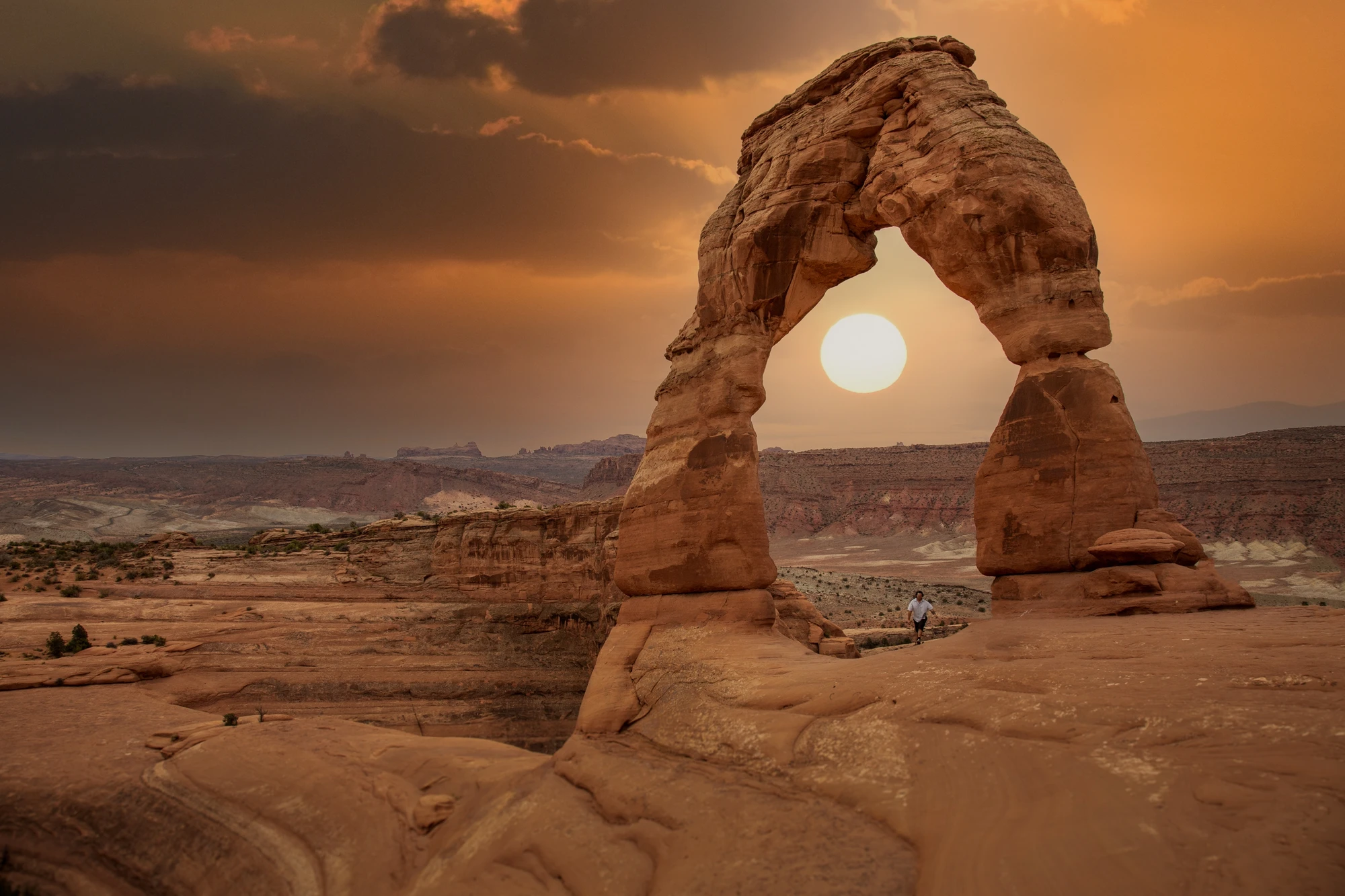
ATTRACTION
Moab, Utah, United States
Explore this place ↗
ATTRACTION
Cataract Canyon
Explore this place ↗
ATTRACTION
La Sal Mountains
Explore this place ↗
ATTRACTION
Corona Arch, Moab, Utah, USA
Explore this place ↗
ATTRACTION
Sand Flats Recreation Area
Explore this place ↗
ATTRACTION
Fisher Towers, Moab, Utah, United States
Explore this place ↗
ATTRACTION
Utah Scenic Byway 279 Rock Art Sites
Explore this place ↗
ATTRACTION
Hell's Revenge Trail, Moab, Utah, USA
Explore this place ↗
ATTRACTION
Mill Canyon Dinosaur Trail
Explore this place ↗
ATTRACTION
Dead Horse Point State Park, Moab, Utah, United States
Explore this place ↗
ATTRACTION
Westwater Canyon
Explore this place ↗
ATTRACTION
Arches National Park
Explore this place ↗
ATTRACTION
Canyonlands National Park
Explore this place ↗THE GOOD STUFF STARTS HERE
Experiences in Moab.

Moab, United States
Raven's Rim Red Rock Challenge: Moab Via Ferrata, Ropes & Bridge Jump
from $179USD

Moab, United States
Edge of Canyonlands Helicopter Tour — Island in the Sky Aerial Flight (45 min)
from $598USD
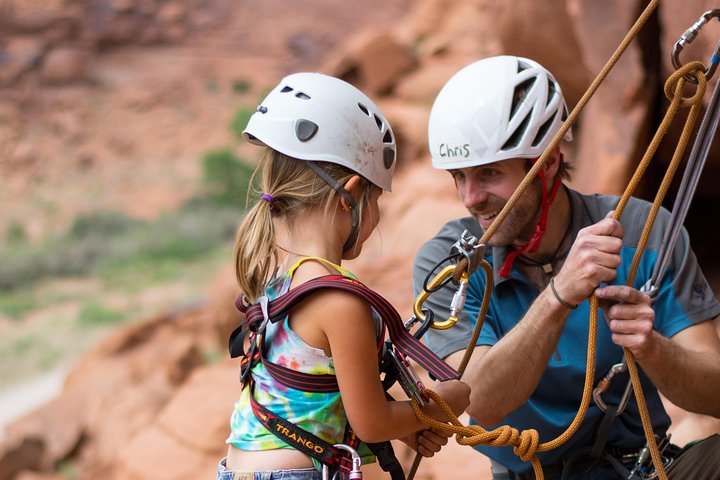
Moab, United States
Half-Day Rock Climbing in Moab: Beginner to Advanced Sandstone Routes
from $200USD


Moab, United States
Full-Day Fisher Towers Rafting from Moab: Family-Friendly Colorado River Whitewater
from $165USD

Listed starting prices may vary by option, travel date and group size. Confirm the final total and availability on Viator. Sponsored links: we may earn a commission from qualifying bookings.
GET TO KNOW THE PLACE
Why Moab
Evening light pools in the hollows of sandstone and the land seems to hold its breath—then folds back into color. Moab delivers that palette alongside a compact menu of outdoor sports: hiking to iconic arches, mountain biking on world-class slickrock, and river trips that put a different face on the desert. Trails, water, and viewpoints are close enough to string together into one efficient, adventurous itinerary.
Step onto a trail here and the rocks tell a deep story. The fins, spires, and arches around Moab are sculpted reminders of shifting seas, uplift, and erosion; geology here reads like a slow-motion action scene. The landscape also carried human chapters long before modern recreation: Indigenous peoples, early settlers, and more recent scientific and conservation efforts shaped access and visitor culture. Walking a viewpoint trail folds natural history, human history, and a practical awareness of fragile desert ecology into every step.
Timing shapes the experience. Spring and fall give you comfortable hiking days and long golden hours for photography, while summer insists you rise early and plan for heat with water and shade strategies. Access is straightforward—most trailheads and scenic drives are short drives from Moab—yet some experiences, like guided canyoneering or river shuttles, benefit from advance booking. The town is compact, with outfitters, guiding services, and bike shops ready to kit you up; that local support lets you stack a vigorous mountain-biking morning with a gentler afternoon hike and an evening photography stop.
Practical priorities save time: aim for sunrise at key viewpoints to avoid crowds and harsh mid-day light, reserve guided river or technical trips in advance, and pick routes that match your party’s fitness and exposure comfort. The desert politely enforces its own rules—erosion-prone soils and flash-flood channels remind you to stay on routes and check weather before canyons. With that respect, Moab rewards efficient planning with a diverse set of outdoor experiences packed into a short drive of town.
PLAN YOUR VISIT
When to go.
Best months
April, May, September, October
Weather
Spring and fall offer mild daytime temperatures and cool nights with stable hiking conditions; summer brings high heat and occasional monsoon storms that can produce flash floods; winters are quieter but can be cold with icy patches at elevation.
Peak season
The busiest period runs through spring and fall weekends when weather is ideal; during peak season start popular hikes at sunrise, book lodging and guided trips in advance, and expect fuller parking at trailheads.
Beyond the peak
Winter and late summer shoulder months offer lower rates and fewer crowds; be mindful of occasional snow or muddy access, and choose firm, non-erosion-prone routes when soils are wet.
PACK WITH PURPOSE
What to bring.
optional
- Binoculars for canyon wildlife and distant vistas
- Action camera or stabilized camera for arch and river shots
- Dry bag for river or canyoneering outings
essential
- 2–3 liters of water per person (more in summer) and a refill plan
- Layered clothing for big daily temperature swings
- Sturdy traction footwear with support for uneven sandstone
- Sun protection: hat, SPF sunscreen, and sunglasses
- Offline map or a navigation app with downloaded maps
recommended
- Light rain shell and wind layer
- Headlamp for early starts or late returns
- Trekking poles for steep descents or route stability
FIND YOUR PACE
Choose your kind of adventure.
advanced
Advanced adventurers pursue technical climbs, long off-trail routes, endurance bike loops, and multi-day river or backcountry trips.
- Technical rock climbing or multi-pitch routes
- Long-distance backcountry mountain-biking or bikepacking
- Multi-day canyoneering or wilderness river trips
beginner
Beginner visits focus on short, well-marked hikes, scenic drives, and guided water trips where technical skills are minimal.
- Sunrise viewpoint hikes to easy arches
- Scenic drives with short pull-off walks
- Guided half-day river float
intermediate
Intermediate travelers mix longer hikes, moderate mountain biking on maintained singletrack and slickrock, and guided canyoneering introductions.
- All-day hiking with varied terrain and exposure
- Slickrock and singletrack mountain biking
- Guided slot-canyon or introductory canyoneering
BEFORE YOU GO
Your questions, answered.
Do I need a guide for hiking in Arches or can I go self-guided?
Many iconic viewpoints and shorter hikes are suitable for self-guided visitors, but technical canyoneering or complex backcountry routes benefit from guides who know route-finding, rescue procedures, and local conditions.
How long should I plan to explore Moab for a first-time visit?
A long weekend (3–4 days) lets you sample a sunrise arch hike, a half-day mountain-bike ride or scenic drive, and a river or guided adventure; five to seven days gives time for deeper backcountry or multi-day bike routes.
Is mountain biking appropriate for beginners in Moab?
There are beginner-friendly trails and guided intro rides, but some of Moab’s world-famous slickrock and technical lines are advanced; choose beginner routes or hire a guide for confidence and safety.
What are the main safety concerns in the desert?
Heat exposure, dehydration, sun, and sudden weather changes are the primary concerns—carry ample water, sun protection, a navigation tool, and check forecasts for storms that can cause flash floods.
Can I combine a river trip and hiking in a single day?
Yes—guided half-day or multi-hour river trips and nearby hikes can often be combined; coordinate logistics with outfitters for shuttle timing and storage of gear.
How busy are trailheads and viewpoints, and when is best to avoid crowds?
Trailheads fill during mid-morning and late afternoon in peak season; aim for sunrise or weekday mornings to avoid the largest crowds and capture better light for photography.