

VAYCAI · ATTRACTION GUIDE
Canyonlands National Park Visitor Guide
From Moab the park is a threefold landscape—mesa-top panoramas, needle-studded canyons, and river-carved chasms—where you can stack hiking, off-road driving, and river runs into one trip. Plan sunrise viewpoints, a mountain-bike morning, and an afternoon paddling or scenic drive to make the most of changing light and heat.
Island in the SkyThe NeedlesGreen RiverColorado RiverDead Horse Point State Park
Explore experiences ↓Your guide to places, experiences, and adventures.
Get to know the place
Attractions worth a closer look.
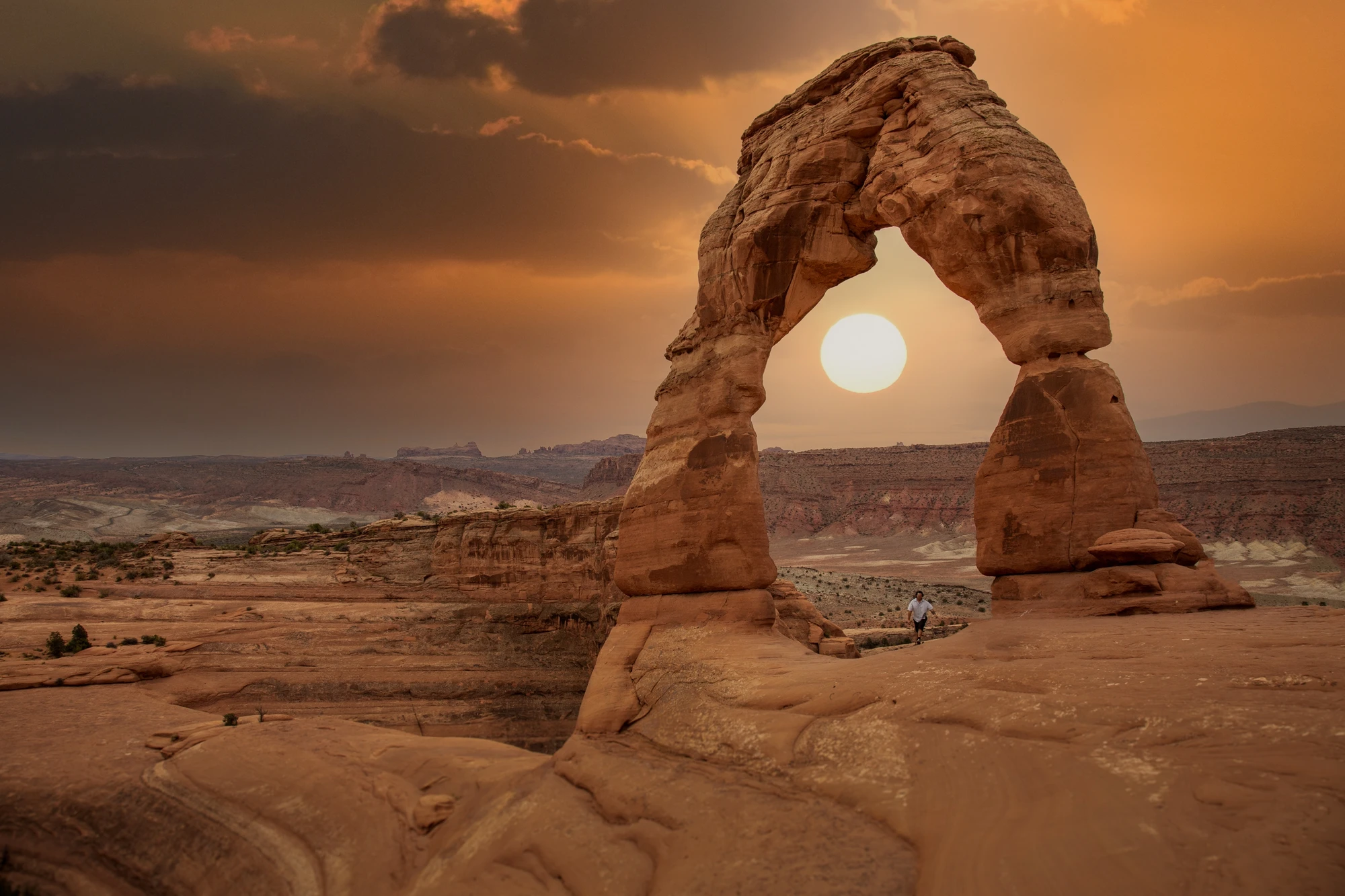
ATTRACTION
Moab, Utah, United States
Explore this place ↗
ATTRACTION
Cataract Canyon
Explore this place ↗
ATTRACTION
La Sal Mountains
Explore this place ↗
ATTRACTION
Corona Arch, Moab, Utah, USA
Explore this place ↗
ATTRACTION
Sand Flats Recreation Area
Explore this place ↗
ATTRACTION
Fisher Towers, Moab, Utah, United States
Explore this place ↗
ATTRACTION
Utah Scenic Byway 279 Rock Art Sites
Explore this place ↗
ATTRACTION
Hell's Revenge Trail, Moab, Utah, USA
Explore this place ↗
ATTRACTION
Mill Canyon Dinosaur Trail
Explore this place ↗
ATTRACTION
Moab, Utah, USA
Explore this place ↗
ATTRACTION
Dead Horse Point State Park, Moab, Utah, United States
Explore this place ↗
ATTRACTION
Westwater Canyon
Explore this place ↗
ATTRACTION
Moab
Explore this place ↗THE GOOD STUFF STARTS HERE
Experiences in Moab.

Moab, United States
Raven's Rim Red Rock Challenge: Moab Via Ferrata, Ropes & Bridge Jump
from $179USD

Moab, United States
Edge of Canyonlands Helicopter Tour — Island in the Sky Aerial Flight (45 min)
from $598USD
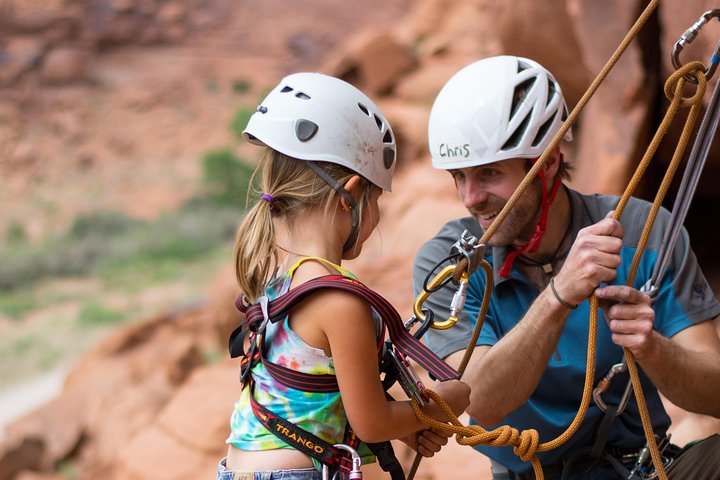
Moab, United States
Half-Day Rock Climbing in Moab: Beginner to Advanced Sandstone Routes
from $200USD
Read our guide →Booking unavailable


Moab, United States
Full-Day Fisher Towers Rafting from Moab: Family-Friendly Colorado River Whitewater
from $165USD
Read our guide →Booking unavailable

Moab, United States
Moab Half-Day Colorado River Rafting Through the Fisher Towers
from $115USD
Read our guide →Booking unavailable
Listed starting prices may vary by option, travel date and group size. Confirm the final total and availability on Viator. Sponsored links: we may earn a commission from qualifying bookings.
GET TO KNOW THE PLACE
Why Canyonlands
Canyonlands feels like three parks in one: mesa-top overlooks, labyrinthine spires, and the rivers that chew the land into dramatic relief. It’s a place best experienced in stacked blocks—early hikes for cool light, midday rides or scenic drives to escape heat, and evenings for stillness and stars. The terrain invites multiple modalities and a bit of logistical planning to thread them together.
Walk to a rim at first light and the landscape reads like a layered book: salt-and-pepper strata, cliffs that hold the horizon, and river corridors that whisper how long erosion takes. Geologically, Canyonlands is an archive of uplift and incision; the Colorado and Green rivers are patient sculptors, nudging and carving side canyons until the land unravels. Human history is present but discreet—pithouses and petroglyphs sit at the edges of these vistas, and early explorers and ranchers left faint traces of routes that modern travelers now use for access and perspective.
Culturally, Moab is the practical base: outfitters, rental shops, and guides concentrate there while the park itself spreads thin across districts that require a plan. Island in the Sky rewards short walks to dramatic overlooks; The Needles offers more route-finding and backcountry opportunities; the rivers invite multi-day paddling and guided trips. Weather shapes your day: spring and fall are ideal for long days outside, summer brings heat and thunderstorms that can force pivots, and winter strips crowds but adds cold. Stacking experiences—an early rim hike, a midday bike, and an afternoon scenic drive or float—lets you move with the landscape.
Access is straightforward from Moab but deceptively vast once you enter the park. Some dirt roads ask for high clearance or four-wheel drive; other routes are fine for sedans. Whenever you plan haul-outs, meals, or guided trips, factor in drive times, daylight, and solar exposure. For multi-day backcountry travel, carry nautical-levels of planning: water, route notes, a reliable map, and contingency for flash floods. With a practical plan you can savor the best of Canyonlands: tabletop panoramas, tight red canyons, and rivers that quietly push the story forward.
PLAN YOUR VISIT
When to go.
Best months
March, April, May, September, October
Weather
Spring and fall deliver mild daytime temperatures and long, comfortable days; summer is hot with potential afternoon thunderstorms, and winter is cooler and quieter with the possibility of snow at higher elevations. Flash floods can happen during storms; always check local forecasts.
Peak season
Late spring through early fall is the busiest stretch; expect more visitors and book lodging, rental vehicles, and guided experiences well in advance. Start early on trails and aim for midweek to avoid the busiest windows.
Beyond the peak
Winter and shoulder-season visits reward lower crowds, lower rates, and dramatic low-angle light, but expect shorter daylight, colder temperatures, and occasional icy conditions—choose routes less affected by mud and ice.
PACK WITH PURPOSE
What to bring.
optional
- Binoculars for canyon and wildlife viewing
- Action camera or wide-angle lens for landscape shots
- Compact picnic kit for mesa-top lunches
essential
- 2–3 liters of water per person and a way to carry it
- Sun protection: hat, sunscreen, sunglasses
- Layered clothing for variable desert temperatures
- Sturdy traction footwear for slickrock and uneven trails
- Offline map or GPS device and a basic first-aid kit
- Headlamp with spare batteries
recommended
- Light rain shell for summer storms
- Trekking poles for technical descents
- Dry bag or waterproof pack for paddling or sudden storms
- Portable phone power bank
FIND YOUR PACE
Choose your kind of adventure.
advanced
Suited to experienced adventurers planning multi-day backcountry travel, technical rides, or extended river trips.
- Multi-day backcountry canyoneering or extended hiking routes
- Self-supported mountain biking on remote dirt roads like the White Rim
- Multi-day river expeditions with prepared rivercraft and guides
beginner
Good for casual visitors who want dramatic views and short, low-risk hikes with minimal route-finding.
- Short rim walks to iconic overlooks at sunrise
- Scenic drives to mesa viewpoints and picnic stops
- Stargazing sessions near park pullouts
intermediate
For travelers comfortable with longer hikes, exposed sections, and moderate route-finding who want to mix activities.
- Half-day hikes into canyon rims and lookout points
- Guided or self-supported mountain-bike laps on maintained dirt roads
- Half-day guided paddles or short river float trips
BEFORE YOU GO
Your questions, answered.
Do I need a guide to visit Canyonlands?
No, many overlooks and short hikes are self-guided, but guided trips add safety and local knowledge for multi-day paddling, technical mountain biking, or backcountry travel. Guides are especially useful for river trips or vehicle-dependent routes.
How many days should I plan to see the highlights?
Plan at least two to three days to sample a rim overlook, a short hike in a distinct district, and a scenic drive or guided river experience; four or more days lets you mix activities without rushing.
Is the park accessible from Moab without a 4x4?
Most primary viewpoints and paved access roads are reachable in a standard vehicle, but some dirt roads and scenic corridors are best attempted with higher clearance or a 4x4. Check road conditions before you go.
What safety concerns should I prioritize?
Heat, sun exposure, and water are primary concerns in warmer months; in storm season, watch for flash floods in canyons. Carry adequate water, tell someone your plan, and have navigation aids and a first-aid kit.
Are backcountry permits required?
Permit rules vary by district and activity; some overnight routes or river trips require reservations or permits. Confirm requirements with park services or a guide when planning overnight or river travel.
Can I mountain bike or drive White Rim Road easily?
White Rim Road and similar routes offer world-class biking and scenic driving but demand endurance, mechanical readiness, and preparation for remoteness; consider guided shuttles or guided tours if you prefer support.