

VAYCAI · ATTRACTION GUIDE
Arches National Park Visitor Guide
Moab is the launch point for a stacked set of desert adventures: short hikes beneath natural stone arches, technical mountain-biking on slickrock, and paddling or scenic drives along the Colorado River. Spend dawn hiking for light and evenings in town for gear and recovery—this is a place you stitch together multiple activities across a single, compact base.
Arches National ParkColorado RiverLa Sal MountainsDead Horse Point State Park
Explore experiences ↓Your guide to places, experiences, and adventures.
Get to know the place
Attractions worth a closer look.
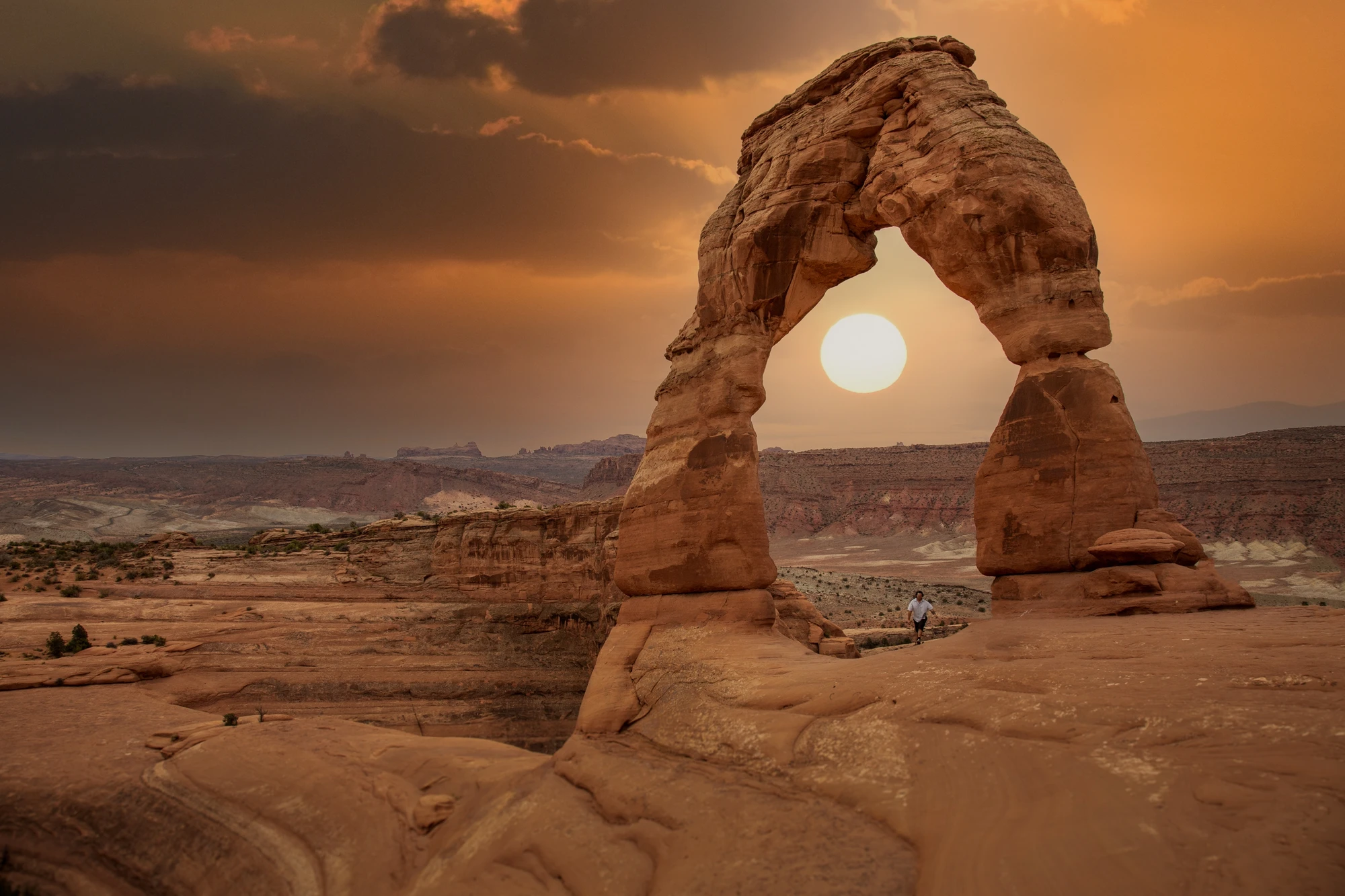
ATTRACTION
Moab, Utah, United States
Explore this place ↗
ATTRACTION
Cataract Canyon
Explore this place ↗
ATTRACTION
La Sal Mountains
Explore this place ↗
ATTRACTION
Corona Arch, Moab, Utah, USA
Explore this place ↗
ATTRACTION
Sand Flats Recreation Area
Explore this place ↗
ATTRACTION
Fisher Towers, Moab, Utah, United States
Explore this place ↗
ATTRACTION
Utah Scenic Byway 279 Rock Art Sites
Explore this place ↗
ATTRACTION
Hell's Revenge Trail, Moab, Utah, USA
Explore this place ↗
ATTRACTION
Mill Canyon Dinosaur Trail
Explore this place ↗
ATTRACTION
Moab, Utah, USA
Explore this place ↗
ATTRACTION
Dead Horse Point State Park, Moab, Utah, United States
Explore this place ↗
ATTRACTION
Westwater Canyon
Explore this place ↗
ATTRACTION
Canyonlands National Park
Explore this place ↗THE GOOD STUFF STARTS HERE
Experiences in Moab.

Moab, United States
Raven's Rim Red Rock Challenge: Moab Via Ferrata, Ropes & Bridge Jump
from $179USD

Moab, United States
Edge of Canyonlands Helicopter Tour — Island in the Sky Aerial Flight (45 min)
from $598USD
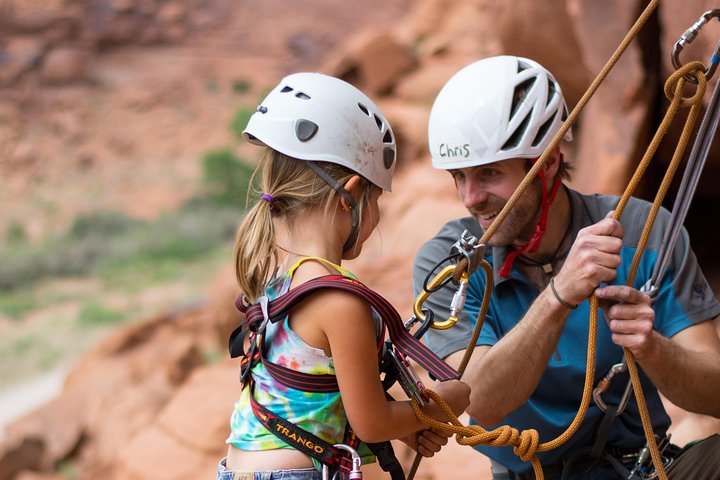
Moab, United States
Half-Day Rock Climbing in Moab: Beginner to Advanced Sandstone Routes
from $200USD
Read our guide →Booking unavailable


Moab, United States
Full-Day Fisher Towers Rafting from Moab: Family-Friendly Colorado River Whitewater
from $165USD
Read our guide →Booking unavailable

Moab, United States
Moab Half-Day Colorado River Rafting Through the Fisher Towers
from $115USD
Read our guide →Booking unavailable
Listed starting prices may vary by option, travel date and group size. Confirm the final total and availability on Viator. Sponsored links: we may earn a commission from qualifying bookings.
GET TO KNOW THE PLACE
Why Visit: Moab & Arches
Walk a sandstone amphitheater as sunlight slides through an arch and the desert seems to hold its breath; that’s the opening image at Arches. The park’s geological backstory—salt beds uplifted and relentless erosion—shapes fins, windows, and freestanding arches. From Moab, these formations are an easily accessible stage for hiking, biking, and river escapes you can schedule around light and heat.
Arches wears its history in layers. Entrada and Navajo sandstone were laid down in seas and dunes, later lifted and subtly pushed by ancient salt deposits until fractures appeared. Wind and freeze–thaw widened those fractures into fins; erosion perforated the fins into windows and arches. The result is a landscape that moves slowly but deliberately, changing mood with sun angle and storm. Indigenous peoples traveled these canyons long before modern recreation; more recently Moab evolved from ranch and river trade into an outdoor-service town with outfitters, guides, and a community centered on active travel.
Practical planning starts with timing. Spring and fall give the longest windows for hiking and mountain biking; summer demands sunrise starts and heat-aware pacing, while winter offers quiet trails with occasional freeze–thaw slickness. The park road threads major viewpoints and short trailheads, but serious backcountry navigation requires more water, route-finding, and respect for fragile soils. Parking fills early at popular pullouts; if you want solitude, plan two shorter outings rather than one long hike into the busiest areas. For photography and safety, prioritize dawn or late-afternoon light and carry ample water and sun protection.
Moab is compact but activity-dense, which makes stacking experiences simple: a half-day canyon hike, an afternoon on slickrock singletrack, and a river float the next morning. Guided trips cover technical climbing, canyoneering, and river logistics if you prefer to leave the details to pros; self-guided travelers should reserve lodging, vehicle access, and bike rentals during busy months. Above all, treat cryptobiotic soil and desert vegetation as fragile—use durable surfaces, pack out everything, and be ready to alter plans when thunderstorms roll through or seasonal access changes.
PLAN YOUR VISIT
When to go.
Best months
March, April, May, September, October
Weather
Spring and fall typically offer mild daytime temperatures and stable conditions for hiking and biking; summer brings high heat and the occasional monsoon, and winter can be cold with brief freeze–thaw cycles that affect trail traction.
Peak season
Peak visitation typically occurs in spring and early fall when temperatures are comfortable; plan to book lodging and guided experiences well in advance and start days early to avoid crowds and midday heat.
Beyond the peak
Winter and late summer offer lower rates and fewer people; be prepared for colder mornings, shorter daylight, muddy or icy conditions on some routes, and limited services on certain days.
PACK WITH PURPOSE
What to bring.
optional
- Binoculars for distant vistas
- Action camera or wide-angle lens for arches
- Compact picnic kit for sunset stops
essential
- 2–3 liters of water per person for day hikes
- Sun protection (hat, sunglasses, high-SPF sunscreen)
- Sturdy shoes with traction for slickrock and uneven footing
- Layered clothing for big temperature swings
- Offline map or GPS and a basic navigation plan
recommended
- Light rain shell or wind layer for sudden storms
- Headlamp for early starts or late returns
- Trekking poles for exposed descents
- Dry bag for electronics on river trips
FIND YOUR PACE
Choose your kind of adventure.
advanced
Advanced adventurers can pursue technical desert climbs, multi-pitch routes, long backcountry traverses, and self-supported bikepacking loops.
- Technical rock climbing and multi-pitch ascents
- Extended backcountry hikes with route-finding and navigation
- Off-trail desert bikepacking and technical singletrack challenges
beginner
Beginner travelers can enjoy short, well-signed hikes and scenic drives that require minimal technical skill and offer big visual payoff.
- Short interpretive hikes to viewpoints and arches
- Sunset scenic drives and easy pullout loops
- Guided beginner river float on the Colorado River
intermediate
Intermediate travelers will find fulfilling singletrack rides on slickrock, longer day hikes, and basic canyoneering or scrambling options.
- Slickrock mountain-biking on designated routes
- Full-day hikes that include exposed segments and route-finding
- Half-day guided canyoneering with basic rappels
BEFORE YOU GO
Your questions, answered.
Do I need a guide to visit Arches National Park?
No, many park areas and short trails are accessible without a guide, but guided trips add technical expertise for climbing, canyoneering, or river navigation and can simplify logistics.
How much time should I plan for Arches if I’m based in Moab?
Plan at least a full day to see main viewpoints and do a short hike; two to three days lets you combine hiking, biking, and a river outing without rushing.
Is mountain biking permitted in Arches National Park?
Biking is allowed on designated roads and selected trails; for extensive slickrock riding, nearby Bureau of Land Management areas and trail systems around Moab offer more options.
What safety concerns should I prepare for?
Heat exposure, limited shade, and uneven sandstone footing are primary concerns; carry ample water, wear sun protection, use traction-appropriate footwear, and monitor forecasts for storms.
When do popular viewpoints get crowded?
Sunrise and sunset draw the most visitors to iconic arches and overlooks; midweek mornings are generally quieter, and out-of-season visits reduce crowding significantly.
Can I drive a regular car to park trailheads and overlooks?
Most major pullouts are accessible by standard vehicles on paved roads, but some backcountry access roads and trailheads may require higher clearance—check specific route conditions before heading out.