

VAYCAI · ATTRACTION GUIDE
Cataract Canyon Visitor Guide
Cataract Canyon pairs adrenaline with wide-open desert beauty: stack a guided whitewater expedition on the Colorado River with hikes into side canyons and evening stargazing. Travelers often combine a river trip with Moab’s rock‑biking and scenic drives for a full adventure itinerary that mixes long days on the water with short, accessible outings on land.
Colorado RiverCanyonlands National ParkMoabLa Sal Mountains
Explore experiences ↓Your guide to places, experiences, and adventures.
Get to know the place
Attractions worth a closer look.
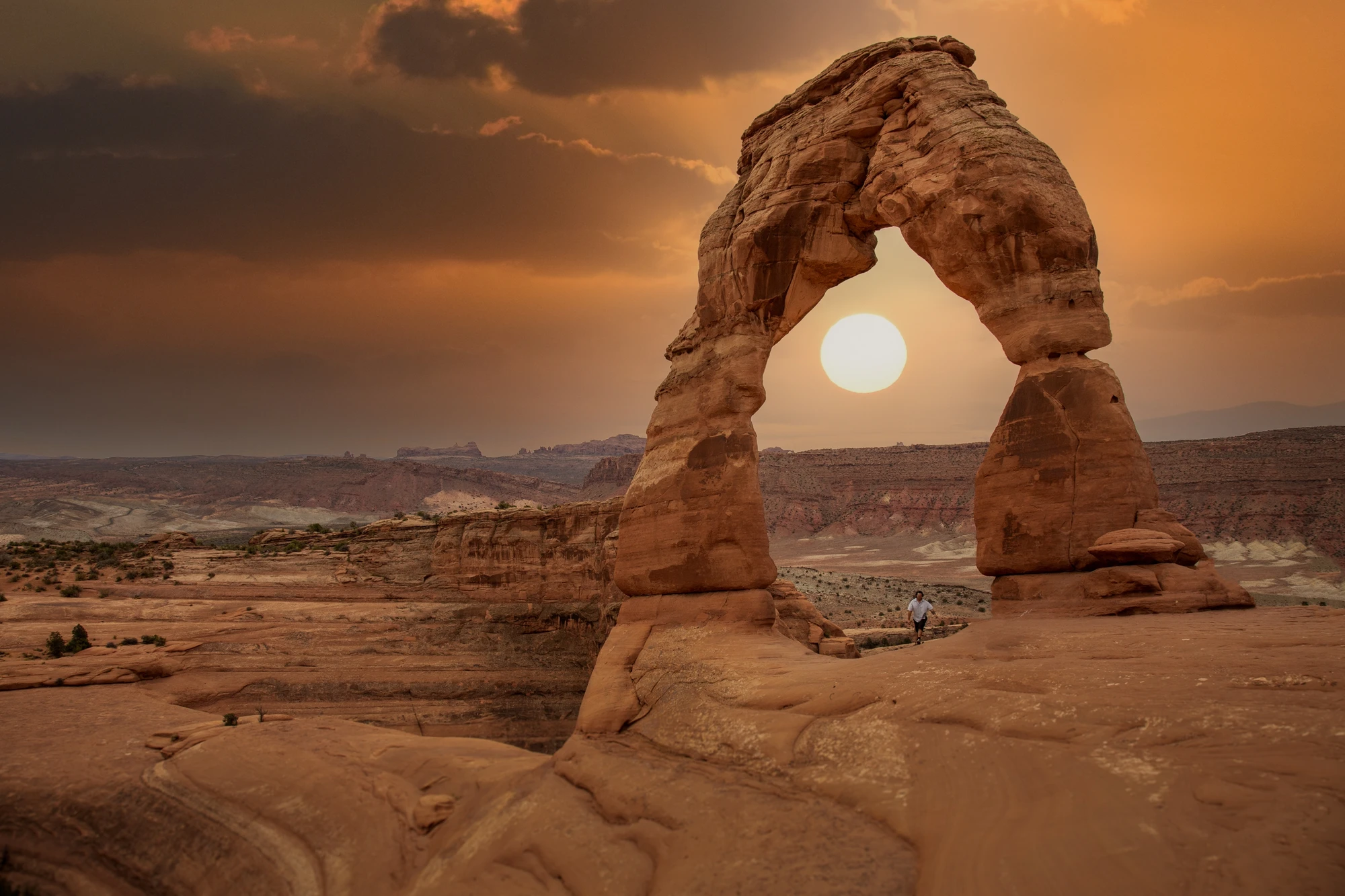
ATTRACTION
Moab, Utah, United States
Explore this place ↗
ATTRACTION
La Sal Mountains
Explore this place ↗
ATTRACTION
Corona Arch, Moab, Utah, USA
Explore this place ↗
ATTRACTION
Sand Flats Recreation Area
Explore this place ↗
ATTRACTION
Fisher Towers, Moab, Utah, United States
Explore this place ↗
ATTRACTION
Utah Scenic Byway 279 Rock Art Sites
Explore this place ↗
ATTRACTION
Hell's Revenge Trail, Moab, Utah, USA
Explore this place ↗
ATTRACTION
Mill Canyon Dinosaur Trail
Explore this place ↗
ATTRACTION
Moab, Utah, USA
Explore this place ↗
ATTRACTION
Dead Horse Point State Park, Moab, Utah, United States
Explore this place ↗
ATTRACTION
Westwater Canyon
Explore this place ↗
ATTRACTION
Moab
Explore this place ↗
ATTRACTION
Canyonlands National Park
Explore this place ↗THE GOOD STUFF STARTS HERE
Experiences in Moab.

Moab, United States
Raven's Rim Red Rock Challenge: Moab Via Ferrata, Ropes & Bridge Jump
from $179USD

Moab, United States
Edge of Canyonlands Helicopter Tour — Island in the Sky Aerial Flight (45 min)
from $598USD
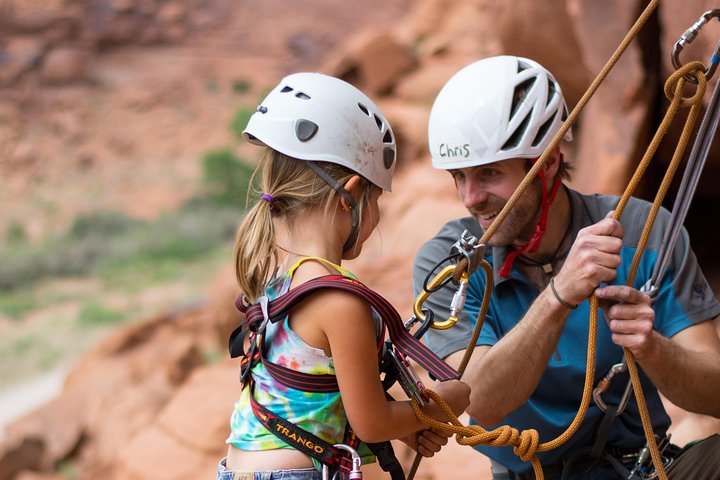
Moab, United States
Half-Day Rock Climbing in Moab: Beginner to Advanced Sandstone Routes
from $200USD
Read our guide →Booking unavailable


Moab, United States
Full-Day Fisher Towers Rafting from Moab: Family-Friendly Colorado River Whitewater
from $165USD
Read our guide →Booking unavailable

Moab, United States
Moab Half-Day Colorado River Rafting Through the Fisher Towers
from $115USD
Read our guide →Booking unavailable
Listed starting prices may vary by option, travel date and group size. Confirm the final total and availability on Viator. Sponsored links: we may earn a commission from qualifying bookings.
GET TO KNOW THE PLACE
Why Visit Cataract Canyon
You feel the canyon before you see it: the Colorado River nudges hard against stone, and the walls close in. Cataract Canyon is a place where river dynamics and desert geology are inseparable, giving you both fast water and long, quiet stretches for watching light slide down sandstone. Plan to mix a guided river expedition with a few land-based outings in nearby Moab to get the complete picture.
Cataract Canyon was carved by persistent water and episodic floods, a geology lesson that reads like a timeline in red and buff layers. The river here has a reputation—the rapids can swing from playful to serious depending on runoff and dam releases upstream—so decisions about timing and guides matter. Indigenous cultures and early explorers traveled these corridors for centuries; today’s river trips thread that human history through the same narrow passages. For planning, allow extra days around your river dates: weather, water levels, and vehicle logistics in remote put‑in/take‑out zones can add buffer time.
Getting to the canyon is straightforward from Moab, but the experience feels remote. Most visitors stage in town for lodging, supplies, and last-minute gear; outfitters run shuttles and provide most technical equipment if you book a guided run. If you self‑support, expect coordinated vehicle drops and long drives on graded dirt roads in places. Stack your trip sensibly: arrive in Moab a day early to acclimate, use a reputable outfitter for the whitewater sections, and plan an easier day onshore after the river to recover. Nights in the canyon are textbook desert—cold, clear, and vast—so pack for temperature swings.
Practical timing is simple: spring and fall offer comfortable temperatures and high demand for river trips, while summer brings heat and variable river releases; winter is quiet but cold and sometimes inaccessible. Keep flexibility in your itinerary for water level changes and rain‑driven flash flood warnings. Prioritize safety: wear a personal flotation device on the river, carry a map and reliable communication on land, and brief your group on wilderness etiquette. Done right, Cataract Canyon is both a technical challenge and a deeply restorative wild place, where the river keeps moving you forward and the cliffs hold stories to read in the light.
PLAN YOUR VISIT
When to go.
Best months
April, May, September, October
Weather
Spring and fall bring the most comfortable daytime temperatures for hiking and river trips; summer is hot with possible afternoon storms and variable river releases, while winter is quieter and can be cold in camp. Weather can change quickly in the desert—stay prepared for wind and sudden rain.
Peak season
Spring and fall are the busiest periods for river expeditions and Moab lodging; book guided trips, shuttles, and accommodations well in advance and plan to start activities early in the day to avoid heat and crowds.
Beyond the peak
Winter offers fewer visitors and lower prices for lodging in Moab, plus quiet trails, but expect cold nights and the possibility of limited river options; in wet seasons check for mud sensitivity and route closures before committing to backcountry routes.
PACK WITH PURPOSE
What to bring.
optional
- Binoculars for birding and distant cliffs
- Action camera or waterproof camera housing
- Compact picnic kit for riverside lunches
essential
- Personal flotation device (if participating on water) or confirm outfitter provides one
- Layered clothing for wide temperature swings
- Sun protection: hat, sunscreen, sunglasses
- Sturdy traction footwear suitable for slickrock and riverbanks
- Plenty of water and a method to treat or carry water
- Offline map or GPS and a charged communication device
recommended
- Lightweight rain shell and wind layer
- Headlamp with extra batteries
- Dry bag for electronics and clothing
- Trekking poles for tricky shore approaches
FIND YOUR PACE
Choose your kind of adventure.
advanced
Advanced travelers may run technical sections of the river, lead self‑supported expeditions, and explore remote canyons with technical rope or swift‑water skills.
- Self‑supported multi‑day river expeditions with technical scouting
- Running larger rapids with a skilled, experienced team
- Backcountry canyoneering and extended desert navigation
beginner
Beginner visitors should focus on guided, low‑commitment outings that offer river views and short onshore hikes rather than technical river running.
- Scenic guided float with instructional briefings
- Short riverside walks and photography stops
- Sunrise and sunset scenic drives in Canyonlands
intermediate
Intermediate adventurers can join multi‑day guided trips, mix in moderate hikes into side canyons, and add mountain biking on maintained trails near Moab.
- Multi‑day guided rafting with active rapids
- Day hikes into adjacent canyons and overlook points
- Mountain biking on slickrock sections and established singletrack
BEFORE YOU GO
Your questions, answered.
Do I need a guide to run Cataract Canyon?
You don't strictly need a guide if you have advanced river experience and plan logistics carefully, but most visitors choose a guided trip for safety, gear, and local knowledge—especially when water levels are high.
How many days should I plan for a river trip?
Multi‑day expeditions are common; allocate at least three to five days including travel, gear checks, and a recovery day in Moab to break up the itinerary.
Can I combine a river trip with mountain biking in Moab?
Yes—Moab is a natural staging area for slickrock and singletrack; plan biking either before or after your river days and allow transport time to avoid rushed transitions.
What safety concerns should I prioritize?
Pay attention to river flow updates, wear approved floatation devices, brief your group on swift‑water procedures, and monitor desert heat and sun exposure onshore.
How remote is access to put‑in and take‑out points?
Access varies by trip plan; most outfitters handle remote shuttles and vehicle coordination, but self‑supporting groups should prepare for long dirt roads and limited cell service.
What if weather forces a change in plans?
Have flexible travel days, confirm refund/cancellation policies with outfitters, and work with your agent to rebook activities or adjust the itinerary based on conditions.