

VAYCAI · ATTRACTION GUIDE
Dead Horse Point State Park Visitor Guide
Perched on a dramatic promontory above the Colorado River, Dead Horse Point is best enjoyed as part of a stacked itinerary: short cliff-top hikes and overlooks in the morning, a scenic drive between viewpoints midday, and stargazing or photography at sunset. Combine a visit here with river trips or a half-day in nearby Canyonlands for varied adventure without backtracking.
Canyonlands National ParkColorado RiverLa Sal MountainsArches National Park
Explore experiences ↓Your guide to places, experiences, and adventures.
Get to know the place
Attractions worth a closer look.
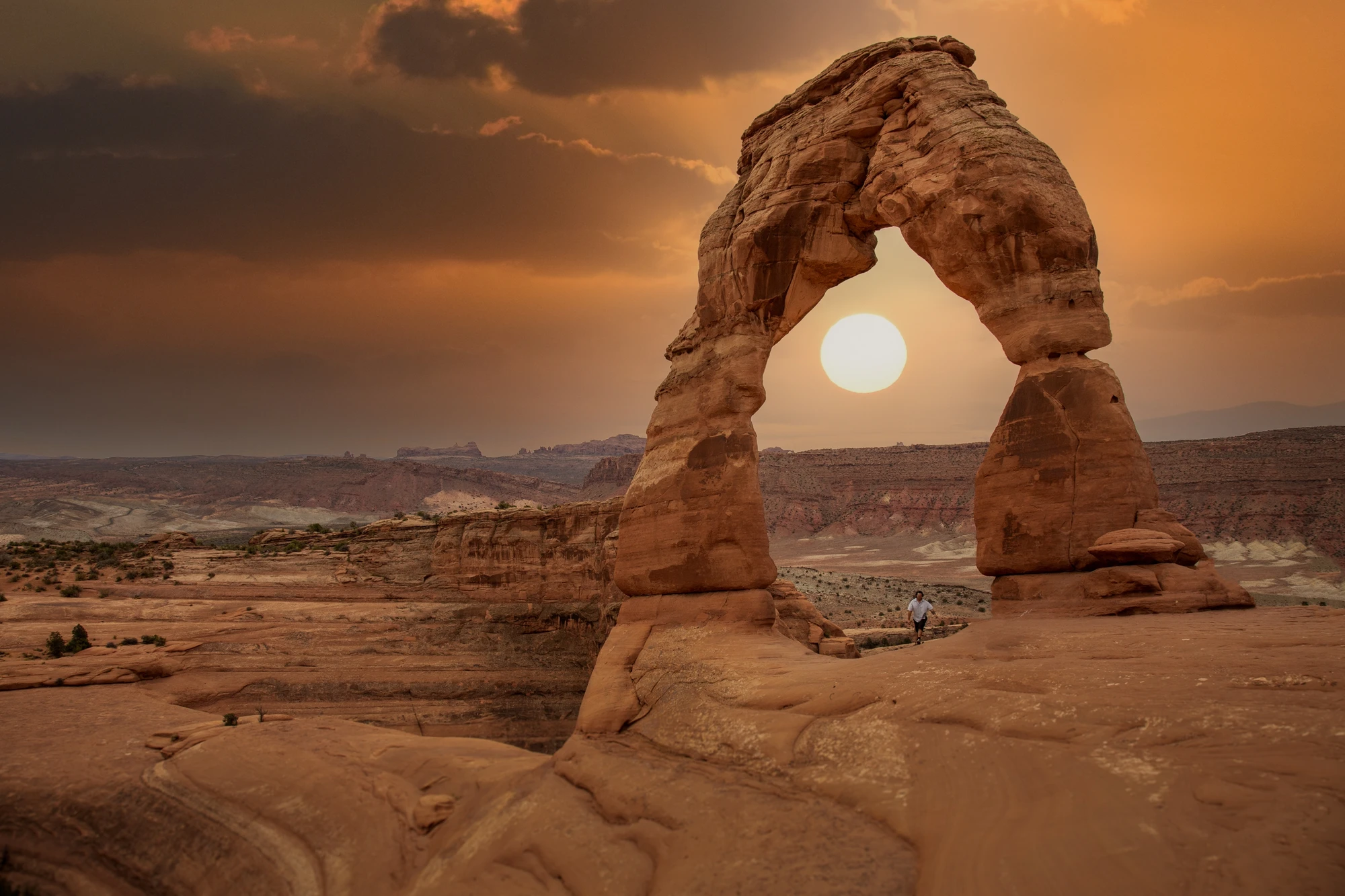
ATTRACTION
Moab, Utah, United States
Explore this place ↗
ATTRACTION
Cataract Canyon
Explore this place ↗
ATTRACTION
La Sal Mountains
Explore this place ↗
ATTRACTION
Corona Arch, Moab, Utah, USA
Explore this place ↗
ATTRACTION
Sand Flats Recreation Area
Explore this place ↗
ATTRACTION
Fisher Towers, Moab, Utah, United States
Explore this place ↗
ATTRACTION
Utah Scenic Byway 279 Rock Art Sites
Explore this place ↗
ATTRACTION
Hell's Revenge Trail, Moab, Utah, USA
Explore this place ↗
ATTRACTION
Mill Canyon Dinosaur Trail
Explore this place ↗
ATTRACTION
Moab, Utah, USA
Explore this place ↗
ATTRACTION
Westwater Canyon
Explore this place ↗
ATTRACTION
Moab
Explore this place ↗
ATTRACTION
Canyonlands National Park
Explore this place ↗THE GOOD STUFF STARTS HERE
Experiences in Moab.

Moab, United States
Raven's Rim Red Rock Challenge: Moab Via Ferrata, Ropes & Bridge Jump
from $179USD

Moab, United States
Edge of Canyonlands Helicopter Tour — Island in the Sky Aerial Flight (45 min)
from $598USD
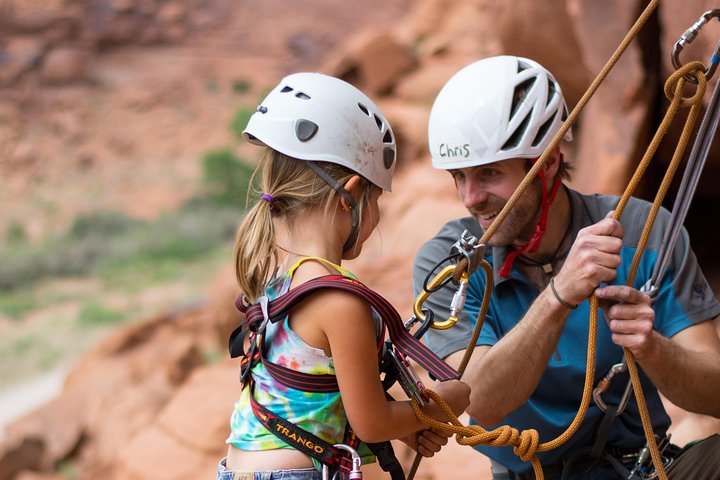
Moab, United States
Half-Day Rock Climbing in Moab: Beginner to Advanced Sandstone Routes
from $200USD
Read our guide →Booking unavailable


Moab, United States
Full-Day Fisher Towers Rafting from Moab: Family-Friendly Colorado River Whitewater
from $165USD
Read our guide →Booking unavailable

Moab, United States
Moab Half-Day Colorado River Rafting Through the Fisher Towers
from $115USD
Read our guide →Booking unavailable
Listed starting prices may vary by option, travel date and group size. Confirm the final total and availability on Viator. Sponsored links: we may earn a commission from qualifying bookings.
GET TO KNOW THE PLACE
Why Visit Dead Horse Point
Stand at the rim and the canyon yawns below, layered reds and oranges under an expansive sky. Dead Horse Point is an efficient, high-impact stop for travelers who want big views without a multi-day hike—perfect for photographers, road cyclists, and families who want a short, dramatic outdoor experience near Moab.
The landscape here reads like a geological primer. Ancient rivers carved the plateaus, then uplift and erosion revealed deep canyons and sheer cliffs that hold their edges with stubborn grace. The park sits on the eastern edge of the Colorado Plateau, and the rock layers—precise and patient—tell a story of time rather than haste. Human history in the region is quieter but no less resonant: Indigenous peoples, early explorers, and later settlers all left traces in place names and local knowledge. Today the park functions as a viewpoint and access point to the larger Canyonlands landscape, where the Colorado and Green rivers continue to nudge and shape the terrain.
Planning here is pragmatic: arrive early for sunrise or mid-afternoon for softer light and smaller crowds. Trails are generally short but exposed, and the desert sun can be relentless; shade is rare so water and sun protection are non-negotiable. Roads into the park are accessible with standard vehicles, and the loop drive connects multiple overlooks so you can stack viewpoints in one visit. If you’re combining activities, allow time for a river trip or a longer backcountry ride in nearby areas—Moab is an efficient hub, and Dead Horse Point is a scenic, low-effort anchor for longer adventures.
Local culture leans outdoor-forward and service-oriented: outfitters in Moab run guided rafting, mountain biking shuttles, and photography workshops that pair well with a half-day at the park. Photography and stargazing are specialties here; the rim gives unobstructed sky and minimal light pollution, and evenings can transform the landscape with long shadows and deep color. Respect trail etiquette, pack out what you bring in, and treat the fragile desert crust with care—the terrain recovers slowly if trodden carelessly.
PLAN YOUR VISIT
When to go.
Best months
April, May, September, October
Weather
Spring and fall offer mild daytime temperatures and clear skies ideal for hiking and photography; summers are hot with afternoon thunderstorms possible, and winters bring cold nights and occasional snow that quiets the landscape.
Peak season
Late spring through early fall is busiest, especially holiday weekends; tactical takeaway: arrive at dawn for fewer people and cooler conditions, and book lodging and guided trips in advance.
Beyond the peak
Winter and late fall bring far fewer visitors, lower rates in Moab, and crisp light for photography; be prepared for icy patches on exposed trails and check road conditions before traveling.
PACK WITH PURPOSE
What to bring.
optional
- Binoculars for river and raptor watching
- Action camera or tripod for long-exposure sunset shots
- Compact picnic kit for overlook lunches
essential
- 2+ liters of water per person and refill plan
- Sun protection: hat, sunglasses, SPF 30+ sunscreen
- Sturdy, traction-capable footwear for rocky and slick surfaces
- Layered clothing for big temperature swings
- Offline map or downloaded route due to limited cell signal
recommended
- Light rain shell or wind layer
- Headlamp for early starts or late exits
- Trekking poles for balance on exposed sections
- Dry bag for camera gear during windy moments
FIND YOUR PACE
Choose your kind of adventure.
advanced
Advanced travelers use Dead Horse Point as a strategic base for technical singletrack, multi-day river expeditions, and remote desert photography missions.
- Technical mountain biking on nearby singletrack and slickrock terrain
- Multi-day whitewater or expedition paddling on the Colorado River
- Remote backcountry routes and sunrise-to-night photography projects
beginner
Beginner travelers will find short, accessible rim trails and scenic overlooks that deliver high-value views with minimal effort.
- Walk the main rim viewpoints and interpretive loops
- Drive the park loop with photo stops at overlooks
- Enjoy sunset and stargazing from designated viewing areas
intermediate
Intermediate adventurers can extend visits with longer backcountry hikes nearby or pair a Dead Horse Point stop with a half-day river or biking trip.
- Combine rim visits with a half-day guided rafting trip
- Road cycling along scenic routes around the park
- Longer hikes and exploratory walks in adjacent public lands
BEFORE YOU GO
Your questions, answered.
Do I need a permit or fee to enter the park?
Yes, the park charges an entrance fee; check the official site before arrival and consider annual or regional passes if visiting multiple parks.
Can I combine Dead Horse Point with Canyonlands in one day?
Yes—both are close by. Plan your timing to prioritize sunrise or sunset at one site and a midday exploration at the other to avoid light and crowd conflicts.
Is the park family-friendly and accessible for casual visitors?
Generally yes; viewpoints and short trails are suitable for families, but watch children near cliffs and bring water and sun protection.
Are guided tours available from Moab?
Yes; local outfitters provide guided photography tours, mountain bike shuttles, and river trips that complement a park visit.
What safety concerns should I be aware of?
Exposure to sun and heat, sudden storms, and sheer drop-offs are primary hazards—carry water, watch the weather, and keep a safe distance from cliff edges.
When is the best time for photography and stargazing?
Sunrise and sunset produce the most dramatic colors; evenings after dark are excellent for stargazing due to low light pollution—arrive before sunset to secure a good vantage.