

VAYCAI · ATTRACTION GUIDE
Fisher Towers Visitor Guide
Fisher Towers compresses Moab’s red-rock drama into a compact playground of spires and fins you can reach in under an hour from town. Stack a morning sandstone hike or photography stop with an afternoon float on the Colorado River or a scenic drive along Highway 128 for a full, efficient day outdoors.
MoabColorado RiverArches National ParkCanyonlands National Park
Explore experiences ↓Your guide to places, experiences, and adventures.
Get to know the place
Attractions worth a closer look.
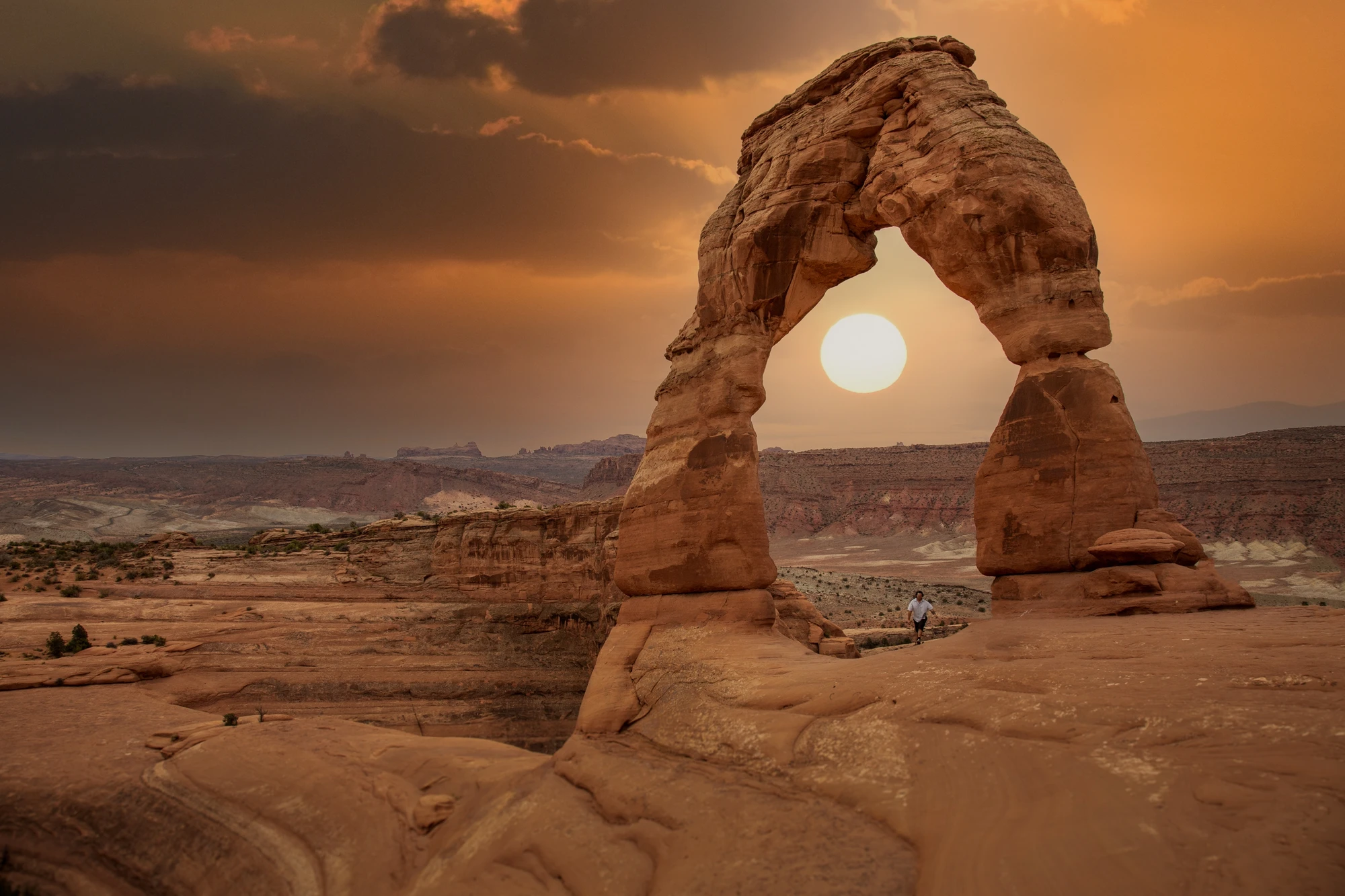
ATTRACTION
Moab, Utah, United States
Explore this place ↗
ATTRACTION
Cataract Canyon
Explore this place ↗
ATTRACTION
La Sal Mountains
Explore this place ↗
ATTRACTION
Corona Arch, Moab, Utah, USA
Explore this place ↗
ATTRACTION
Sand Flats Recreation Area
Explore this place ↗
ATTRACTION
Utah Scenic Byway 279 Rock Art Sites
Explore this place ↗
ATTRACTION
Hell's Revenge Trail, Moab, Utah, USA
Explore this place ↗
ATTRACTION
Mill Canyon Dinosaur Trail
Explore this place ↗
ATTRACTION
Moab, Utah, USA
Explore this place ↗
ATTRACTION
Dead Horse Point State Park, Moab, Utah, United States
Explore this place ↗
ATTRACTION
Westwater Canyon
Explore this place ↗
ATTRACTION
Moab
Explore this place ↗
ATTRACTION
Canyonlands National Park
Explore this place ↗THE GOOD STUFF STARTS HERE
Experiences in Moab.

Moab, United States
Raven's Rim Red Rock Challenge: Moab Via Ferrata, Ropes & Bridge Jump
from $179USD

Moab, United States
Edge of Canyonlands Helicopter Tour — Island in the Sky Aerial Flight (45 min)
from $598USD
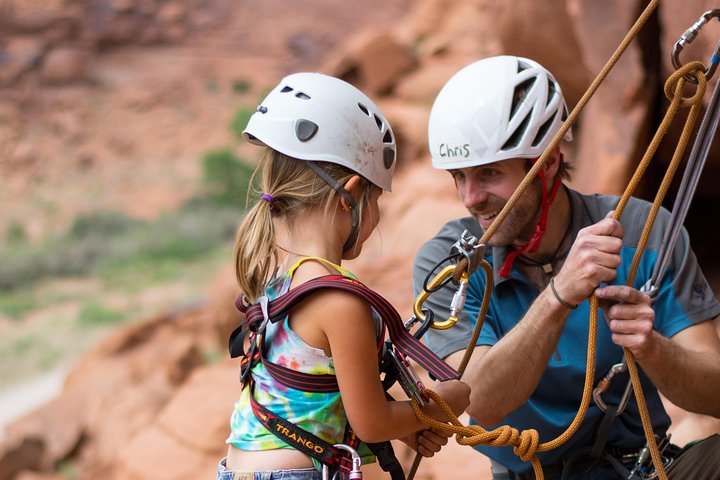
Moab, United States
Half-Day Rock Climbing in Moab: Beginner to Advanced Sandstone Routes
from $200USD
Read our guide →Booking unavailable


Moab, United States
Full-Day Fisher Towers Rafting from Moab: Family-Friendly Colorado River Whitewater
from $165USD
Read our guide →Booking unavailable

Moab, United States
Moab Half-Day Colorado River Rafting Through the Fisher Towers
from $115USD
Read our guide →Booking unavailable
Listed starting prices may vary by option, travel date and group size. Confirm the final total and availability on Viator. Sponsored links: we may earn a commission from qualifying bookings.
GET TO KNOW THE PLACE
Why Visit Fisher Towers
A small cluster of slender sandstone spires east of Moab, Fisher Towers feels monumental up close and intimate from the trail. Light sculpts the orange and cream layers across the day, and the towers hold wind and sun like weathered sentinels—inviting short explorations, photography, and technical climbing alike.
Walk the trail and you’ll understand why climbers and photographers mark Fisher Towers as a must-see. The formations are remnants of ancient river deposits and deltaic sandstones, capped and sculpted by wind and rain into towers, fins, and arches. Geology here reads like a slow-motion story: softer layers erode away, leaving harder fins and spires that lean and balance in improbable ways. This is sandstone with attitude—delicate where it looks solid—so moving with care on ledges and cracks matters.
The area’s human history is quieter but layered: today’s visitors follow routes once crossed by Indigenous peoples and later by settlers and road builders who used the Colorado River corridor. Modern access is straightforward from Moab via Highway 128; a short, unpaved spur leads to the trailhead. Plan for early starts in high season to claim parking and avoid midday heat. Morning and late-afternoon light are best for photography, while midday can be ideal for a shaded picnic by the river. Services in Moab handle a range of needs—fuel, guides, rental gear—so you can travel light to the trailhead and outfit in town.
For timing and priorities: if you have a single day, pair the main Fisher Towers walk with a scenic drive along the river and a short river float or guided climb depending on your experience. If you have two days, add nearby Arches or an Island in the Sky loop in Canyonlands for broader vistas. Weather can change; storms roll in fast in summer and can make slickrock slippery. Always check local conditions before committing to exposed climbs or river plans, and consider a guide for technical routes or for a more efficient combined itinerary.
PLAN YOUR VISIT
When to go.
Best months
April, May, September, October
Weather
Spring and fall bring mild temperatures ideal for hiking and climbing; summers are hot with occasional monsoon storms that can produce brief, intense rain. Winters are cooler and quiet but can see snow or icy sections on shaded rock.
Peak season
Peak visitation runs through spring and fall; expect busier parking and popular viewpoints during weekends and holidays—start early, book lodging in advance, and consider weekday visits.
Beyond the peak
Winter offers solitude, lower rates, and clear skies for star photography; be prepared for colder conditions and occasional icy patches, and check road access before you go.
PACK WITH PURPOSE
What to bring.
optional
- Binoculars for distant river and bird spotting
- Compact tripod or action camera for low-light photography
- Hiking poles for stability on talus sections
essential
- 2–3 liters of water per person and electrolyte mix
- Sun protection (hat, sunglasses, SPF 30+ sunscreen)
- Sturdy traction footwear suitable for slickrock and loose talus
- Layered clothing for temperature swings (light insulated layer and wind shell)
- Offline map or GPX of the trail and fully charged phone
recommended
- Light daypack with first-aid kit and whistle
- Rain shell and quick-dry base layer
- Headlamp and extra batteries
FIND YOUR PACE
Choose your kind of adventure.
advanced
Advanced visitors take on multi-pitch or technical trad climbing, desert navigation, and extended photography or mixed-route exploration with steeper exposure.
- Multi-pitch trad or aid climbing on sandstone towers (experienced climbers only)
- Route-finding and desert navigation away from main trails
- Combining extended climbs with canyon approaches and river logistics
beginner
Beginner visitors will find short, scenic hikes and photography vantage points that require minimal technical skill but reward careful footing.
- Short scenic hike beneath the towers and lookout points
- Photography of spires at golden hour
- Scenic drive along Highway 128 with river pullouts
intermediate
Intermediate adventurers can expand to longer hikes, scrambling on talus, and guided half-day climbs or multi-activity days combining river and trails.
- Longer loop hikes combining nearby viewpoints
- Guided single-pitch climbing or top-rope sessions
- Half-day river float to view towers from the water
BEFORE YOU GO
Your questions, answered.
Do I need a guide to visit Fisher Towers?
No—nontechnical hikers can enjoy the main trail without a guide, but hire a guide for technical rock climbing or if you want local interpretation and safety support.
How long should I plan for a Fisher Towers visit?
Budget 1–3 hours for the main hike and photography; add half a day for guided climbs or to combine with a scenic drive and river float.
Is parking limited at the trailhead?
Parking is limited during peak season and weekends; arrive early or plan to park in nearby pullouts if full—carpooling reduces hassle.
Are dogs allowed on the trail?
Pets are typically allowed but must be leashed; bring water and shade for them, and verify current park or land-manager rules before you travel.
Can I see the towers from the Colorado River?
Yes—river floats and guided rafting trips along the Colorado River provide excellent low-angle views of the towers and fins; plan river time as an add-on with outfitters in Moab.
What are the safety concerns for climbing here?
Sandstone can be fragile; climbing requires clean, trained technique and appropriate protection—check conditions, use local climbing partners or guides, and avoid climbing after rain.