

VAYCAI · ATTRACTION GUIDE
Westwater Canyon Visitor Guide
Westwater Canyon is a concentrated slice of Colorado River power just west of Moab where river-running and short canyon hikes stack perfectly with nearby red-rock biking and scenic drives. Visitors commonly pair a half-day float or guided raft with a sunrise rim walk or an evening drive through the high desert, maximizing a short trip without sacrificing depth of experience.
Colorado RiverI-70 CorridorMoab BasinCanyonlands National Park
Explore experiences ↓Your guide to places, experiences, and adventures.
Get to know the place
Attractions worth a closer look.
ATTRACTION
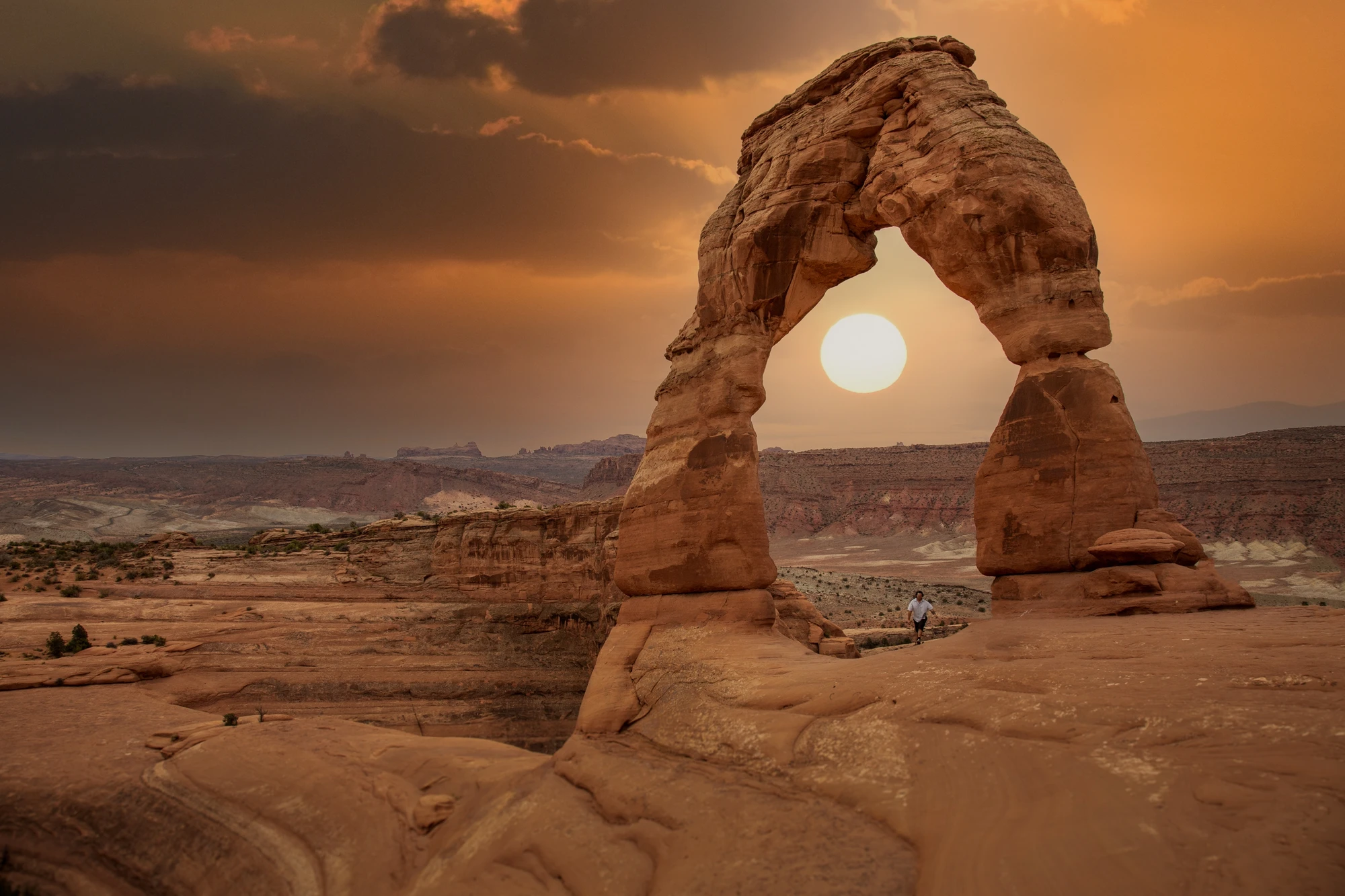
Moab, Utah, United States
Explore this place ↗
ATTRACTION
Cataract Canyon
Explore this place ↗
ATTRACTION
La Sal Mountains
Explore this place ↗
ATTRACTION
Corona Arch, Moab, Utah, USA
Explore this place ↗
ATTRACTION
Sand Flats Recreation Area
Explore this place ↗
ATTRACTION
Fisher Towers, Moab, Utah, United States
Explore this place ↗
ATTRACTION
Utah Scenic Byway 279 Rock Art Sites
Explore this place ↗
ATTRACTION
Hell's Revenge Trail, Moab, Utah, USA
Explore this place ↗
ATTRACTION
Mill Canyon Dinosaur Trail
Explore this place ↗
ATTRACTION
Moab, Utah, USA
Explore this place ↗
ATTRACTION
Dead Horse Point State Park, Moab, Utah, United States
Explore this place ↗
ATTRACTION
Moab
Explore this place ↗
ATTRACTION
Canyonlands National Park
Explore this place ↗THE GOOD STUFF STARTS HERE
Experiences in Moab.

Moab, United States
Raven's Rim Red Rock Challenge: Moab Via Ferrata, Ropes & Bridge Jump
from $179USD

Moab, United States
Edge of Canyonlands Helicopter Tour — Island in the Sky Aerial Flight (45 min)
from $598USD
Moab, United States
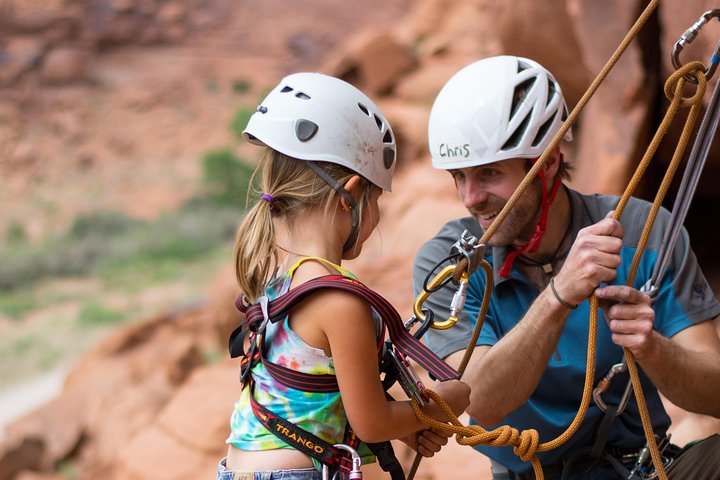
Half-Day Rock Climbing in Moab: Beginner to Advanced Sandstone Routes
from $200USD
Read our guide →Booking unavailable


Moab, United States
Full-Day Fisher Towers Rafting from Moab: Family-Friendly Colorado River Whitewater
from $165USD
Read our guide →Booking unavailable

Moab, United States
Moab Half-Day Colorado River Rafting Through the Fisher Towers
from $115USD
Read our guide →Booking unavailable
Listed starting prices may vary by option, travel date and group size. Confirm the final total and availability on Viator. Sponsored links: we may earn a commission from qualifying bookings.
GET TO KNOW THE PLACE
Why Westwater Canyon
Wind a few miles west of Moab and the landscape tightens: a river that nips at sandstone, slots that frame the sky, and a canyon that makes every mile feel earned. Westwater Canyon compresses the elements—water, rock, heat, and light—into an accessible adventure playground where you can feel the river negotiating the land and the cliffs holding their shape for millennia.
Geologically, Westwater Canyon is a chapter of the Colorado Plateau edited by water. The canyon walls read in horizontal strata and thin fins, evidence of uplift and slow erosion; the river nudges and carves, creating rapids where constrictions force volume into speed. Human history here includes Indigenous use of river corridors and later river runners and miners who mapped the canyon as a route through the desert. Culturally, the area sits in the shadow of Moab’s adventure economy—outfitters, guides, and local restaurants that string together practical services for visitors who want to maximize their outdoor hours.
From a logistics standpoint the canyon is efficient for short trips: many visitors access guided rafting or private trips with a single morning or afternoon window, then return to Moab for lodging and dinner. Access routes follow the Colorado River and nearby highways, but note that launch and takeout points depend on flow and operator planning; many groups use shuttles or meet at designated staging areas. Timing matters—early starts avoid afternoon winds, and shoulder seasons reduce the crush of weekend traffic. Safety is practical rather than dramatic: currents, desert exposure, and sun demand respect and basic river skills when venturing without a guide.
Plan a day like a travel agent would stack it: book a guided half-day float or technical run depending on your comfort, reserve a shuttle spot, and leave an afternoon for a canyon rim hike or scenic drive. Bring layered clothing and sun protection; the river will feel cool but the canyon amplifies desert heat. If water levels are high, guided trips provide essential local knowledge. For photographers and those chasing light, arrive before sunrise or stay after sunset when the cliffs blush and the river mirrors the sky.
PLAN YOUR VISIT
When to go.
Best months
March, April, May, September, October
Weather
Spring and fall offer comfortable daytime temperatures for hiking and paddling, while summer is hot with strong sun and occasional afternoon thunderstorms. Winter is quiet but can be cold and windy with sporadic snow at higher elevations.
Peak season
Busiest periods are spring and fall weekends when conditions are ideal; plan early starts, reserve guided trips and shuttles in advance, and expect more vehicle traffic on approach roads.
Beyond the peak
Visiting in winter or late fall gives solitude and lower rates; be mindful of cold water, shorter daylight, and muddy approach roads—choose lower-impact routes and verify access before you go.
PACK WITH PURPOSE
What to bring.
optional
- Binoculars for spotting river birds and distant buttes
- Action camera or waterproof point-and-shoot
- Picnic kit for riverside lunches
essential
- Sun protection (hat, SPF 30+ sunscreen, lip balm)
- 1–2 liters of water per person and a refill plan
- Layered clothing for cool mornings and hot afternoons
- Traction footwear suitable for wet rocks and riverbanks
- Personal flotation device if renting/using boats or rafts
- Offline map or GPS and a charged phone
- Basic first-aid kit
recommended
- Light rain shell or windbreaker
- Headlamp for early starts or late returns
- Trekking poles for rim hikes
- Dry bag for electronics and warm layers
FIND YOUR PACE
Choose your kind of adventure.
advanced
Challenging options for experienced river runners and desert travelers who want multi-day navigation, technical lines, or canyoneering.
- Multi-day river trip with remote camping
- Technical canyoneering or route-finding beyond established corridors
- Running harder rapids at higher flows with an experienced crew
beginner
Suitable for newcomers who want scenic exposure to the canyon and gentle river experiences with a guide.
- Guided half-day float with mild rapids
- Short rim hike overlooking the canyon
- Riverside picnic and photography
intermediate
For travelers comfortable with moderate paddling, longer hikes, and combining river time with off-road trails.
- Guided technical raft with class II–III rapids
- All-day scenic drive and short exploratory hikes
- Mountain biking on nearby maintained singletrack
BEFORE YOU GO
Your questions, answered.
Do I need a guide to run Westwater Canyon?
Guides are strongly recommended unless you have river experience and local knowledge; outfitters handle shuttles, safety briefings, and variable flows.
How long should I plan for a Westwater Canyon trip from Moab?
Allow a half-day for guided floats or runs, plus travel and shuttle time; combine with an afternoon activity in Moab for a full-day itinerary.
Is river flow a major factor for planning?
Yes—flows affect rapid difficulty and launch/takeout locations. Confirm current river conditions with operators before booking.
What transportation options exist from Moab?
Most visitors drive or take a booked shuttle. Outfitters commonly coordinate shuttles; private cars are possible but require pre-arranged logistics.
Are there overnight camping options in the canyon?
Overnight river trips are possible through permitted outfitters, but independent camping requires checking regulations—book multi-day trips with a licensed operator.
How should I handle weather changes or storms?
Monitor forecasts, expect sudden afternoon storms in summer, and follow outfitter guidance; move to high ground and avoid river hazards during lightning.