
Hilo, United States
East Big Island Waterfall Hike and Swim — Rainforest Trail to a Pristine Pool
from $99.99USD

VAYCAI · ATTRACTION GUIDE
Pe'epe'e Falls is a compact, powerful waterfall set in the rainforest fringe near Hilo where short walks meet dramatic views. It stacks well with waterfall viewing, nearby coastal drives, and rainforest strolls—ideal for half-day outings or as a wet-weather pivot when ocean conditions are poor. Access tends to be short and accessible, but conditions vary; plan for slippery ground and quick weather changes.
Your guide to places, experiences, and adventures.
Get to know the place


THE GOOD STUFF STARTS HERE
Hilo, United States

Hilo, United States

Hilo, United States

Hilo, United States


Hilo, United States


Hilo, United States

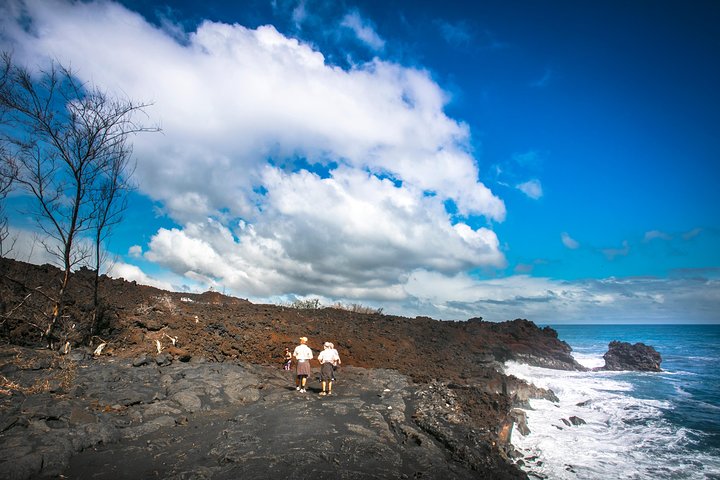
Hilo, United States
Listed starting prices may vary by option, travel date and group size. Confirm the final total and availability on Viator. Sponsored links: we may earn a commission from qualifying bookings.
GET TO KNOW THE PLACE
Pe'epe'e Falls is the kind of destination that arrives with a single, decisive drop: a forested, moss-framed curtain of water that feels intimate rather than monumental. It’s an easy stop that delivers rainforest ambiance, photographic lines, and a quick nature reset in the Hilo area.
Approach the falls and the forest nudges you inward: ferns press close, and the track underfoot holds the memory of yesterday’s rain. Geologically, this part of Hawaiʻi Island was shaped by volcanic flows and streams that carved quick, steep channels; waterfalls are where the island’s youthful topography still reveals its edges. Culturally, Hilo is rooted in agricultural and fishing traditions with a laid-back town center that makes a practical base for waterfall runs and coastal exploration. Local residents treat these cascades with respect—many are on private or managed land—so observe signage and parking rules and be prepared to leave the place as you found it.
Timing matters. Hilo’s climate is famously wet on the windward side of the island, which means the falls are most dramatic after rain and quieter after long dry spells. Short visits work best: arrive early to beat the soft sunlight and any mid-morning tourist traffic, or plan for the late afternoon when the light slants and the rainforest cools. Wear footwear with good traction and expect muddy patches; an inexpensive pair of trail shoes will keep you steady where the trail narrows and rocks are slick. Travel days can be stacked: pair Pe'epe'e Falls with a morning coastal drive, a botanical garden stop, and an afternoon snorkeling trip if sea conditions allow.
Practical access is straightforward for most travelers but not uniformly maintained. There may be only a short walk from roadside pullouts, but routes can be steep near the brink and viewpoint areas are often limited. Keep expectations realistic: this is a contemplative, short-form waterfall visit rather than a multi-hour wilderness trek. Carry water, a compact rain shell, and an offline map if you plan to explore adjacent trails or drive lesser-known roads. If you want a guided approach, local outfitters in Hilo can pair waterfall viewing with cultural interpretation, snorkeling logistics, or a broader island itinerary tailored to conditions and interests.
PLAN YOUR VISIT
April, May, September, October
Hilo is on the windward side of Hawaiʻi Island and receives frequent showers year-round; spring and fall typically offer a balance of rain and clearer windows for waterfall viewing. Ocean conditions vary—check locally before paddling.
Busiest visitation tends to occur during winter holidays and summer vacation periods; plan to arrive early and book lodging and guided activities in advance during these times.
Shoulder months bring lower rates and fewer visitors, making viewpoints and turnouts easier to enjoy; be mindful that trails and unpaved roads can be muddier after seasonal rains.
PACK WITH PURPOSE
FIND YOUR PACE
Technical or multi-hour outings that require route-finding, variable terrain experience, and contingency planning.
Short, low-commitment visits focusing on viewing, photography, and easy rainforest strolls.
Longer hikes and combined-day adventures that mix shoreline time with inland forest exploration.
BEFORE YOU GO
No—many visitors view the falls independently from nearby pullouts or short walks, but guides add local context and can handle logistics if access is limited or weather complicates travel.
Swimming is not recommended unless signage explicitly permits it; currents and submerged hazards can be unpredictable in waterfall pools.
Plan 30–90 minutes for viewing, photos, and a short walk; combine with other nearby stops for a half-day or full-day itinerary.
Respect closures and posted signs; closures protect private property and reduce safety risks—find an alternate viewpoint or contact local visitor centers for guidance.
You can, but expect muddy trails and heavier flows; if heavy rain or flash flooding is forecast, postpone the visit for safety.
Stack the falls with a coastal scenic drive, a botanical garden stop, or a guided snorkeling trip—plan order around weather and tide conditions for the best experience.