
Hilo, United States
East Big Island Waterfall Hike and Swim — Rainforest Trail to a Pristine Pool
from $99.99USD

VAYCAI · ATTRACTION GUIDE
The Hawaii Tropical Botanical Garden pairs easy, forested walking with dramatic coastal panoramas—ideal for stacking a half-day of gardens with a scenic drive along the Hamakua Coast or a waterfall-focused hike. Visit in the morning to beat brief tropical showers and combine the garden visit with nearby waterfalls and a Hilo market run for a full, practical day.
Your guide to places, experiences, and adventures.
Get to know the place


THE GOOD STUFF STARTS HERE
Hilo, United States

Hilo, United States

Hilo, United States

Hilo, United States


Hilo, United States


Hilo, United States

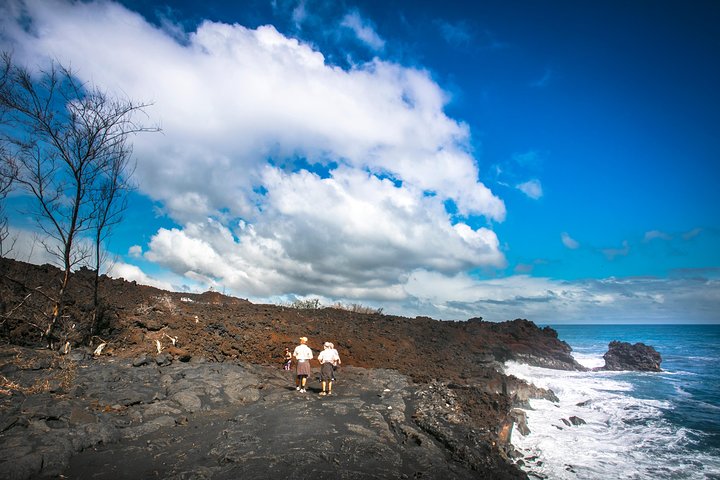
Hilo, United States
Listed starting prices may vary by option, travel date and group size. Confirm the final total and availability on Viator. Sponsored links: we may earn a commission from qualifying bookings.
GET TO KNOW THE PLACE
Tucked into a narrow, cliff-lined valley on the windward side of the Big Island, the Hawaii Tropical Botanical Garden feels like a private passage through the island’s botanical diversity. Trails meander beside streams and drops to the ocean, bringing you close to palms, heliconias, and orchids while the sea keeps time beyond the trees.
The garden’s setting is a short drive from central Hilo, on the Hamakua Coast where steep ridges and ocean spray shape the landscape. Geologically the area is young—coastal cliffs and lava-influenced soils host plants that thrive in high humidity and salt-swept conditions. You’ll notice how the rainforest leans toward the ocean, branches and fronds almost reaching for the surf; the coastline here nudges the garden into a distinct microclimate. Culturally, the Hamakua region developed around sugar and small farms, and that agricultural past still colors the roadside vistas as you approach: patches of banana, stands of coconut, and the occasional old plantation structure.
Planning a visit is straightforward but practical choices make it better. Mornings are often clearer—arrive early to catch light on leaves and fewer people on the boardwalks. Trails are mostly short and well-built, but they can be slippery after rain, so traction matters. The garden is ideal as a half-day anchor: combine it with a scenic drive to nearby waterfalls and lookouts, or schedule it before a late lunch in Hilo. Photo opportunities are constant—close-ups of flowers, wide ocean views, and the slow theatrics of a rainforest that breathes toward the sea.
Access is by car and parking is available on-site; public transport options are limited, so plan your transfer logistics if you’re not driving. While the garden itself is curated, the surrounding coastline invites an exploratory attitude: short seaside walks, lookout stops, and micro-hikes to waterfalls. Keep expectations practical—this is not a mountain expedition; it’s a lush, manageable immersion in tropical ecology that pairs well with broader Big Island adventures like Volcano National Park visits or snorkeling along calmer west-side beaches.
PLAN YOUR VISIT
April, May, September, October
Hilo’s climate is tropical and wetter than the island’s west side; expect warm temperatures with frequent, brief showers that can clear quickly. Mornings are often calmer and clearer for walking and photography.
The busier periods are winter holidays and mid-summer when inter-island and international travel spikes; book accommodations and rental cars in advance and arrive early to avoid midday crowds.
Shoulder months offer lower rates and fewer visitors, but trails and boardwalks can be muddier—choose waterproof footwear and be prepared for rain-driven detours when exploring nearby falls.
PACK WITH PURPOSE
FIND YOUR PACE
Full-day exploration linking the garden to demanding island adventures—mountain viewpoints, extended hikes, and multi-site logistics.
Accessible, low-effort experiences focused on boardwalk walks, coastal viewpoints, and plant observation suitable for most ability levels.
Mixes the garden visit with short hikes and scenic drives to waterfalls and lookouts that require moderate mobility and time management.
BEFORE YOU GO
No—self-guided visits work well; the paths and interpretive signs make for an informative walk. Private or guided tours can be arranged in advance for deeper botanical insight.
Plan 1.5 to 3 hours for a relaxed visit, photos, and a short coastal stop; combine with nearby waterfalls or a scenic drive for a half- or full-day itinerary.
Many main boardwalk sections are accessible, but some trails and viewpoints include steps or uneven surfaces; check accessibility details in advance if mobility is a concern.
Short showers are common—carry a light rain shell and continue when safe. If heavy rain causes slippery conditions, postpone more exposed sections and focus on covered or lower-elevation routes.
Parking is available on-site; policies on pets vary and often restrict animals to service animals, so verify current rules before bringing pets.
Basic restroom facilities are typically available; eating options in the garden are limited so plan to bring snacks or visit Hilo for meals before or after your visit.