
Hilo, United States
East Big Island Waterfall Hike and Swim — Rainforest Trail to a Pristine Pool
from $99.99USD

VAYCAI · ATTRACTION GUIDE
Hilo Cruise Port is the launching pad for wet-wild Hawaiian adventures: rainforest walks, waterfall hunting, volcanic rim views and coastal paddles stack neatly into day itineraries. Use the port as a base for short hikes, scenic drives down the Hamakua Coast, and quick cultural stops in town before you head back to ship or extend your stay.
Your guide to places, experiences, and adventures.
Get to know the place


THE GOOD STUFF STARTS HERE
Hilo, United States

Hilo, United States

Hilo, United States

Hilo, United States


Hilo, United States


Hilo, United States

Hilo, United States
Listed starting prices may vary by option, travel date and group size. Confirm the final total and availability on Viator. Sponsored links: we may earn a commission from qualifying bookings.
GET TO KNOW THE PLACE
Hilo reads like a condensed chapter of Big Island nature: heavy green forests press toward the sea, water cascades into sheltered pools, and steam rises from volcanic seams not far inland. The port’s compact layout makes it easy to stack short hikes, waterfall viewpoints, and cultural stops into a single, well-planned day or an overnight extension.
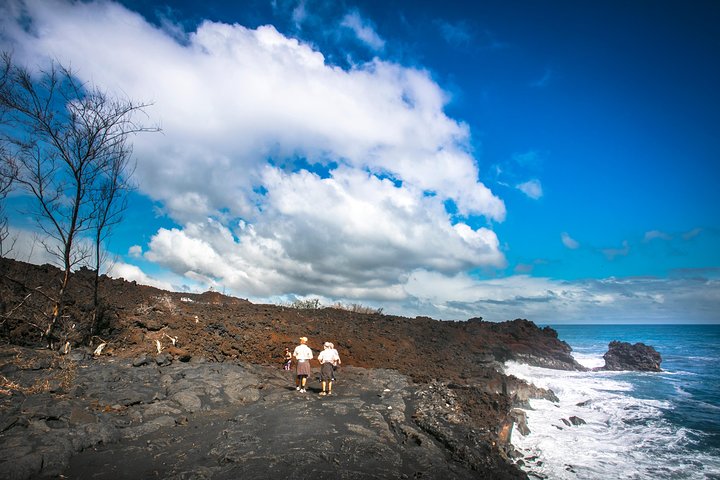
Step off the gangway and the air feels different—thicker, greener, ready to rain. Hilo’s story is written in water. Streams and falls define routes, and the landscape has been shaped by repeated flows of lava that now hold orchids and mango trees. That geological backstory matters when you plan: roadways can climb quickly from sea level into mist, and some coastal viewpoints sit on recent lava that holds heat and wind differently than older shorelines. Time your day for mornings when waterfalls are dramatic from overnight rains, or late afternoons when low sun picks out rainbows in spray.
There’s a cultural layer too. Hilo is a working town with a strong Hawaiian presence—local markets, small museums, and community parks that reward respectful curiosity. Practical planning reduces friction: prioritize what you want to see, allow transit time for narrow coastal roads, and consider guided trips for specialized activities such as lava-viewing or ocean paddles. If you have limited hours ashore, pick one inland waterfall or one coastal circuit rather than trying to do both; getting stuck in rain or slow traffic can turn a great plan into a rushed checklist.
Logistics are straightforward if you think like a practical adventurer. Rental cars near the port let you move at your own pace, shuttles and tours handle the main highlights, and local outfitters supply gear for paddling and snorkeling. Weather is the organizing factor—carry a rain shell and plan alternate activities for sudden downpours. Lastly, show some patience with nature: trails can be muddy, currents can push, and the land here nudges you to slow down. That’s part of the trade-off for immersive encounters with waterfalls, volcanic coastlines, and river-fed valleys.
PLAN YOUR VISIT
April, May, September, October
Hilo is tropical and notably wetter than leeward parts of the island; showers can be frequent but also brief, feeding lush waterfalls and verdant valleys. Expect warm temperatures year-round with more consistent short rains in winter months.
The busiest periods are winter holidays and times when multiple cruise ships call; during peak times book tours and rentals early and plan for earlier starts to beat crowds.
Off-season travel can mean fewer people at waterfall viewpoints and better lodging rates, but trails may be muddier and some coastal roads slick—choose well-maintained routes and be prepared for wet conditions.
PACK WITH PURPOSE
FIND YOUR PACE
Advanced adventures include full-day volcanic rim treks, technical backcountry hikes, and open-water paddling that require experience and preparation.
Beginner outings focus on easy coastal walks, botanical gardens, and short waterfall viewpoints that require minimal gear and fitness.
Intermediate plans add longer shoreline hikes, guided paddles in calm bays, and waterfall hikes with some uneven terrain.
BEFORE YOU GO
Yes—pick one or two nearby waterfall viewpoints and plan for travel time; guided shore excursions can maximize time and reduce navigation stress.
A rental gives flexibility for scenic drives and multiple stops, but organized shuttles and guided tours cover main highlights if you prefer not to drive.
Many coastal and botanical garden trails are family-friendly; choose maintained paths and avoid steep, muddy routes with small children.
Pack a light rain shell, quick-dry layers, and a waterproof bag for electronics; build a short backup activity list in town in case of heavy rain.
For basic viewpoints a guide isn’t required, but for safety and interpretation on lava-affected terrain or for longer backcountry routes, a local guide is recommended.
A full day allows a relaxed mix of a waterfall visit, botanical garden or cultural stop, and a scenic coastal drive; overnight stays let you explore farther inland and at a slower pace.