
Hilo, United States
East Big Island Waterfall Hike and Swim — Rainforest Trail to a Pristine Pool
from $99.99USD

VAYCAI · ATTRACTION GUIDE
Onomea Bay is a compact stretch of coastline where rainforest paths, tidepools, and waterfall-fed streams stack into a single day of varied adventure. Hike shaded ridgelines then drop to rocky shorelines for tidepooling, or pair a coastal walk with a scenic drive up the Hamākua coast. Easy to combine with botanical stops and short waterfall outings for a full Hilo-area loop.
Your guide to places, experiences, and adventures.
Get to know the place


THE GOOD STUFF STARTS HERE
Hilo, United States

Hilo, United States

Hilo, United States

Hilo, United States


Hilo, United States


Hilo, United States

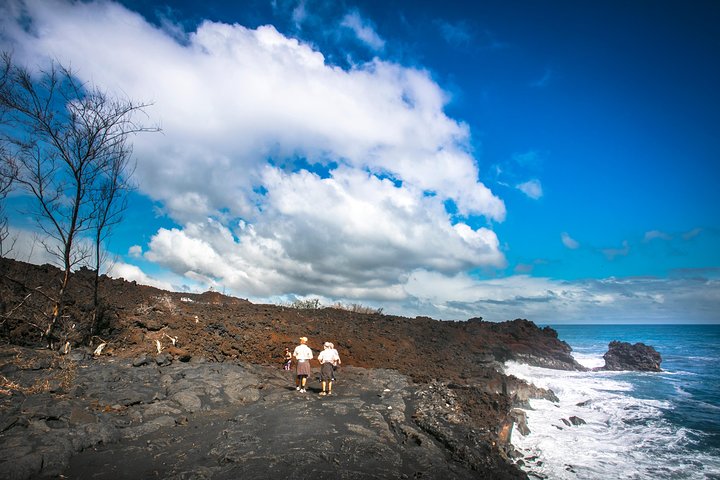
Hilo, United States
Listed starting prices may vary by option, travel date and group size. Confirm the final total and availability on Viator. Sponsored links: we may earn a commission from qualifying bookings.
GET TO KNOW THE PLACE
Onomea Bay is one of those places that feels designed for compact adventure: rainforest that leans toward the sea, short emerald gullies that spill into basalt beaches, and coastal lookout points that reward minimal effort with dramatic views. It’s a place to combine short hikes, shoreline exploration, and botanical curiosity into a single, satisfying day from Hilo.
Walk into Onomea and the rainforest nudges close to the shoreline. The trail threads through dense growth—gingers, palms, and tree ferns—that cools the air and softens the light. Streams carve short ravines and sometimes tumble in thin, photogenic waterfalls. Underfoot, the path can be rooty and uneven; shoes that grip matter. Sections of coastline here are black lava and basalt shelves, which hold pockets of calm water where tidepool life waits. Timing your visit for low tide will expand exploration options and give you safer, calmer water for quick swims or shallow snorkeling when conditions allow.
Historically, the Hamākua coast and Hilo district have been places of both cultivation and conservation. Old plantation roads and narrow coastal routes run past ʻIliahi (sandalwood) groves and botanical plots, while modern efforts emphasize native forest restoration. Geologically the landscape is young—coastal benches laid down by lava flows and quickly colonized by rainforest—so erosion and changing water access are part of the story. Culturally, local guides and small botanical centers provide context about plant uses and the significance of water in Hawaiian place-making, and a short morning with a knowledgeable local can turn a pleasant walk into a meaningful exchange.
Plan practically: start early to miss mid-day showers and to catch low-tide windows for tidepooling. Parking can be limited near trailheads and overlooks, so allow extra time and consider combining Onomea with a longer Hamākua Coast drive to spread arrival times. Bring layers for sun and sudden rain—the microclimate shifts quickly—and treat wet rocks and roots with respect. For a full day, stack a coastal hike with a visit to the nearby bioreserve, a roadside waterfall stop, and a slow return through Hilo for seafood or a coffee. That simple stacking turns a short site visit into an efficient adventure loop.
PLAN YOUR VISIT
April, May, September, October, June
Hilo’s climate is maritime and can be wet year-round; spring and early fall tend to have fewer prolonged storms, while winter can bring more rain and occasional south swells. Expect quick microclimate changes near the coast.
Busiest periods are typically summer months and winter holidays; plan to book lodging and guided activities in advance and aim for early starts to avoid mid-day crowds.
Visiting in the quieter shoulder months can mean lower rates and fewer people, but trails and coastal rocks may be muddier and more slippery—choose routes accordingly and prepare for wet conditions.
PACK WITH PURPOSE
FIND YOUR PACE
Longer, weather-dependent coastal excursions and technical shoreline scrambling or off-trail exploration for experienced adventurers comfortable with rough terrain and variable surf.
Short, well-maintained coastal trails and tidepool viewing are accessible to most visitors with modest mobility and basic outdoor familiarity.
Combine longer loops, multiple waterfall stops, and short sections of uneven terrain; good for hikers with some trail experience.
BEFORE YOU GO
No—Onomea Bay’s main coastal trail and viewpoints can be done self-guided, but hiring a local guide adds cultural context and helps with tide and safety timing for tidepooling or snorkeling.
Conditions vary; some tidepools and protected pockets are calm at low tide, but ocean currents and sudden surf can be hazardous. Only swim in calm, sheltered spots and check local conditions.
Plan 2–4 hours to explore the coastal trail, tidepools, and a nearby waterfall or botanical stop; extend to a half or full day if you add guided activities or multiple stops along the Hamākua Coast.
A rental car is the most practical because parking is spread out and trailheads sit along a coastal drive; rideshares and taxis are available in Hilo but can limit flexibility.
Facilities are limited at many small coastal pullouts; expect minimal amenities and plan restroom stops in Hilo or at larger reserves before heading to remote viewpoints.
Pivot to nearby indoor botanical centers, museums, or a scenic drive; avoid wet rocks and coastal ledges during heavy rain and check local advisories for stream or road closures.