
Hilo, United States
East Big Island Waterfall Hike and Swim — Rainforest Trail to a Pristine Pool
from $99.99USD

VAYCAI · ATTRACTION GUIDE
Akaka Falls delivers a compact rainforest experience that stacks easily with coastal drives and Hilo town outings: a short, shaded loop trail leads to a dramatic waterfall gorge, while the Hāmākua Coast invites scenic stops and botanical detours. Pair a morning waterfall visit with an afternoon exploring Hilo’s farmers markets or a drive along the coast for layered nature and culture in a single day.
Your guide to places, experiences, and adventures.
Get to know the place


THE GOOD STUFF STARTS HERE
Hilo, United States

Hilo, United States

Hilo, United States

Hilo, United States


Hilo, United States


Hilo, United States

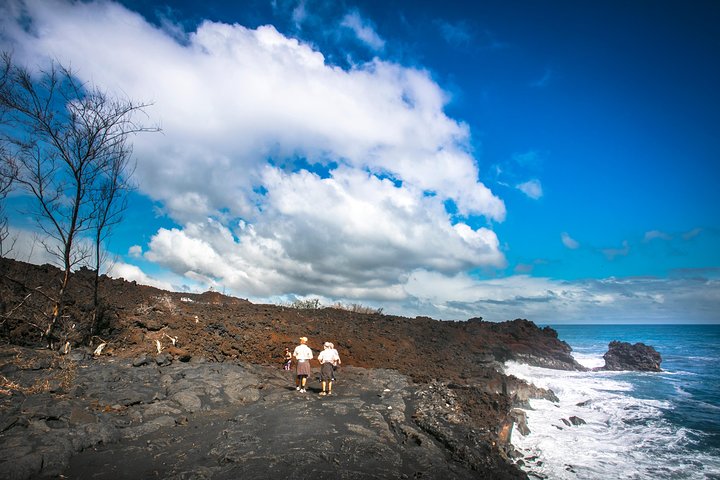
Hilo, United States
Listed starting prices may vary by option, travel date and group size. Confirm the final total and availability on Viator. Sponsored links: we may earn a commission from qualifying bookings.
GET TO KNOW THE PLACE
A single step onto the loop trail and the rainforest rearranges your senses: ferns unfurl, the air cools, and the stream’s voice grows until the falls announce themselves in a veil of spray. Akaka Falls is compact and immediate—an accessible waterfall experience that fits cleanly into a half-day trip or a longer coastal exploration.
The walk to Akaka Falls is less about distance and more about detail. The path threads through a layered rainforest of ʻōhiʻa and fern, where lava-formed ridges and channels have guided water for centuries. Rain here is a sculptor; it carves the gullies and keeps the understory saturated so that moss holds onto rock like an old blanket. Historically, waterfalls in Hawaiian culture are respected sites tied to local stories and water use, and Akaka’s pool and cliffs carry that quiet significance. Expect birds to punctuate the quiet and for the falls themselves to shift character with each rain—sometimes a slender ribbon, sometimes a roaring curtain.
Geologically the east flank of the island is young and weathered; streams run over hardened lava flows that resist erosion, creating steep drop-offs that make waterfalls dramatic. Practically, that geology means slick stone and sudden runoff after showers—trail traction matters. The park route is short and often paved or well-maintained, but the viewing area involves steps and viewpoints where mist can obscure cameras. Plan mornings for clearer skies and softer light, and be prepared to pivot if trade-wind showers roll in. Akaka pairs well with a Hāmākua Coast drive: stop for sea cliffs, small roadside fruit stands, and botanical gardens to balance the rainforest’s vertical energy with wide coastal panoramas.
Timing and logistics are straightforward but worth thought: arrive early to avoid afternoon cloud build-up and tourist peaks, bring layers because rain can arrive without notice, and combine the visit with Hilo’s markets or nearby natural sites for a full-day itinerary. If you want a deeper experience, book a guided naturalist walk to learn about native plants, bird songs, and cultural context. For independent travelers, a short loop, a coffee in Hilo, and a relaxed coastal drive make for a satisfying, easily managed day on the Big Island.
PLAN YOUR VISIT
April, May, September, October
Hilo’s eastern exposure keeps it wetter than the leeward side year-round; mornings are often drier while afternoons see more trade-wind showers. Expect quick, localized rain events and variable humidity.
The busiest stretches are summer months and winter holidays when visitors island-hop; for peak periods, arrive early in the day and book accommodations and rental cars in advance.
Shoulder months offer fewer crowds and often better value on lodging; trails can be muddier, so use caution and stick to established paths to protect vegetation.
PACK WITH PURPOSE
FIND YOUR PACE
Adventure stacks that combine rugged hiking, multi-site exploration, and flexible weather-dependent plans.
Ideal short, family-friendly walks and scenic stops for first-time visitors with minimal hiking experience.
For travelers comfortable on trails who want longer days combining multiple natural and cultural stops.
BEFORE YOU GO
Plan 30–60 minutes for the loop and viewpoints; allow more time if you’re photographing, birdwatching, or combining with coastal stops.
Parts of the park have improved pathways and viewpoints, but some sections include steps and uneven surfaces; accessibility may be partial—check local park info for current access details.
Swimming at the base is not recommended due to currents, hidden rocks, and cultural protections; follow posted signs and respect barriers.
The short loop is easy to do independently, but a local guide adds botanical, cultural, and birding insights if you want a deeper experience.
Most visitors use rental cars for flexibility; taxis and ride-shares are possible but less convenient for longer coastal drives and multiple stops.
Showers are common; bring a rain shell, be ready to wait for clearing, or pivot to Hilo indoor options like markets or museums until conditions improve.