
Hilo, United States
East Big Island Waterfall Hike and Swim — Rainforest Trail to a Pristine Pool
from $99.99USD

VAYCAI · ATTRACTION GUIDE
Boiling Pots pairs short, forested access with dramatic river cascades and emerald pools — a compact stop that stacks well with waterfall views, coastal drives, and botanical gardens in Hilo. Visit as a half-day outing or slot it into a loop that includes Rainbow Falls and a scenic drive up the Hamakua coast for a full day of water, rainforest, and coastal panoramas.
Your guide to places, experiences, and adventures.
Get to know the place


THE GOOD STUFF STARTS HERE
Hilo, United States

Hilo, United States

Hilo, United States

Hilo, United States


Hilo, United States


Hilo, United States

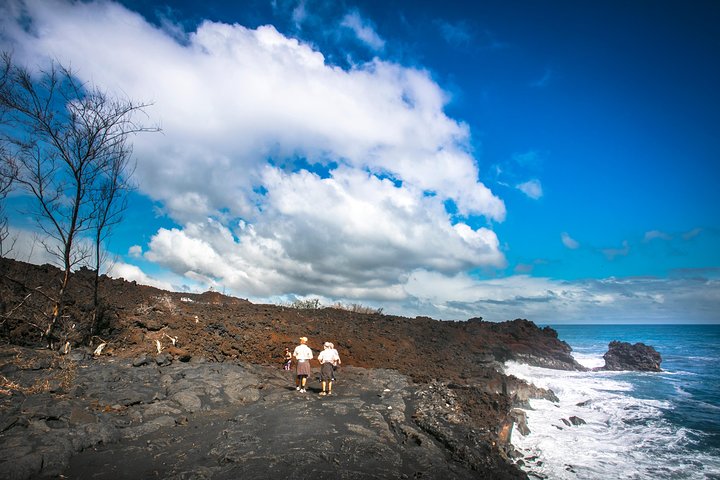
Hilo, United States
Listed starting prices may vary by option, travel date and group size. Confirm the final total and availability on Viator. Sponsored links: we may earn a commission from qualifying bookings.
GET TO KNOW THE PLACE
Stand at the railing and listen: water negotiates ancient lava, hurries, and then sighs into green holes. The Boiling Pots are a window into Hawai‘i’s volcanic geology — the river's momentum turned to small whirlpools and short, theatrical drops — all within easy reach of Hilo’s town center and classic coastal drives.
The landscape at the Boiling Pots reads like a field guide to island geology. Downstream, the river widens toward Rainbow Falls; upstream, it threads through hardened pahoehoe and a mix of basaltic boulders that channel and pressurize the flow into the churning bowls that give the site its name. Culturally, this stretch of the Wailuku River sits on lands long held in Hawaiian memory; waterfalls and rivers are places of mana — respectable and often governed by local customs. Approach with attention and quiet; the place rewards observation more than noise.
Practically, the Boiling Pots is a short-visit destination that stacks well into a Hilo-day itinerary. Park at the roadside pullouts, follow the short, boardwalked viewpoints and informal trails, and keep footwear grippy — wet lava and muddy paths are part of the package. Time your visit for drier windows mid-morning or after a weather break; Hilo’s east-side climate is famously wet and showers can roll in quickly. Because the site is compact, plan for 30–90 minutes at the pots and pair it with Rainbow Falls, a visit to the Hawaii Tropical Botanical Garden, or the scenic Hamakua coastal drive to make the most of your day.
Safety is straightforward but non-negotiable: currents near the pots are unpredictable and pools that look inviting can be deceptively dangerous. There are no formal lifeguards. If you’re stacking activities, leave flexibility in your schedule for weather changes and check local access notes — occasional closures or restricted parking appear after large storms. For photographers and short-hike enthusiasts, the reward is immediate: water that seems to have its own will, carving and whispering through volcanic stone, framed by rainforest that leans in to watch.
PLAN YOUR VISIT
April, May, September, October, November
Hilo's windward location brings frequent showers year-round, with somewhat drier windows in late spring and early fall; expect sudden downpours and plan flexible half-days.
The busiest period is typically late winter through spring when island tourism peaks; book accommodations and guided excursions in advance and plan to visit viewpoints early in the day to avoid mid-day crowds.
Off-season visits offer lower rates and fewer people; be mindful that trails and roadside pullouts can get muddy after rains, and some private tours may run less frequently.
PACK WITH PURPOSE
FIND YOUR PACE
Adventurers seeking longer, multi-stop days that combine technical hikes, off-road exploration, and paddling or surf options elsewhere on the island.
A short, accessible experience ideal for casual walkers and families who want dramatic river scenery without long hikes.
For travelers who want to stack active sightseeing with moderate walking and exploration of nearby botanical gardens and coastal views.
BEFORE YOU GO
Swimming is not recommended; currents and submerged rocks make the pots dangerous. Observe from the established viewpoints and avoid entering the water.
Plan 30–90 minutes for the Boiling Pots, longer if you add photography, a picnic, or nearby stops like Rainbow Falls or the botanical garden.
Yes—local guided tours and private drivers can include the Boiling Pots alongside coastal and waterfall itineraries; a travel agent can book these to fit your schedule.
There are roadside pullouts and small parking areas; availability varies and can be limited during peak times, so arrive early or combine the stop with other nearby sights.
Shift plans to covered or nearby indoor options, wait for a weather break to photograph viewpoints, or drive the Hamakua coast for sheltered scenic stops; always prioritize safety near swollen rivers.
Yes—families can enjoy short viewpoints, but supervise children closely near railings and river edges and avoid letting them approach the water.