
Hilo, United States
East Big Island Waterfall Hike and Swim — Rainforest Trail to a Pristine Pool
from $99.99USD

VAYCAI · ATTRACTION GUIDE
Mauna Loa on the Big Island of Hawaii pairs raw volcanic terrain with high-elevation hiking, stargazing, and scenic drives. Stack a summit-minded hike with a coastal snorkel day or a night under clear skies—this is an itinerary where altitude, lava landscapes, and ocean access meet within easy reach of Hilo and Kona logistics.
Your guide to places, experiences, and adventures.
Get to know the place


THE GOOD STUFF STARTS HERE
Hilo, United States

Hilo, United States

Hilo, United States

Hilo, United States


Hilo, United States


Hilo, United States

Hilo, United States
Listed starting prices may vary by option, travel date and group size. Confirm the final total and availability on Viator. Sponsored links: we may earn a commission from qualifying bookings.
GET TO KNOW THE PLACE
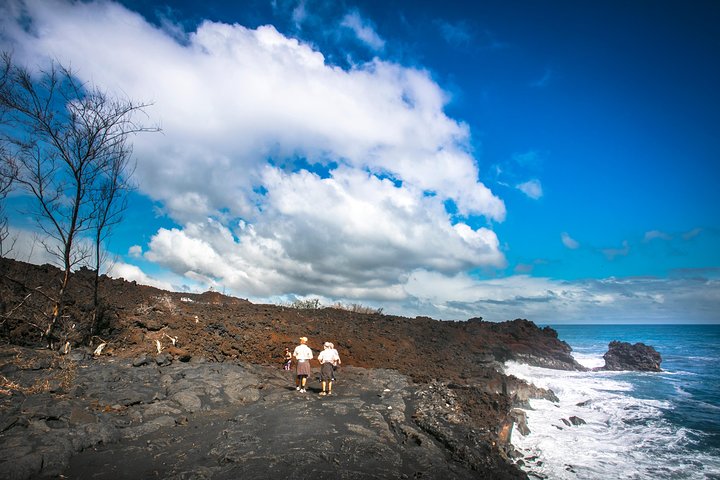
A step off the road and the island changes its voice: wind finds your jacket, volcanic rock holds heat from ancient flows, and the horizon stretches all the way to the ocean. Mauna Loa’s scale is the first thing you feel—broad, slow, and relentless—an island within an island where hiking, stargazing, and scenic drives stack into a single, variable adventure.
Geology makes the itinerary here. Mauna Loa is one of the largest shield volcanoes on Earth; its gentle slopes hide sudden, rugged lava fields that can rearrange the land. Trails cross old flows and forested hollows, so you move from mossed ʻōhiʻa woodlands into open, moonlike expanses in a handful of miles. That variety gives you options: shorter forest outings for mornings and long ridgeline hikes for clear afternoons. Time your days for lower sun angles—early starts reduce heat exposure and maximize distant ocean views—and expect rapid weather swings as elevation changes. The mountain nudges weather in its own ways; a day that begins warm at sea level can be bracing at the summit.
History and culture are stitched into the slopes. Native Hawaiian relationship to the volcanoes is both practical and sacred; place names and stories echo across ridgelines and coastal districts. Nearby communities on the Big Island, from Hilo to Kaʻū, provide cultural context and services—fuel, guides, and local knowledge—so plan to rotate base towns depending on whether you’re prioritizing summit access or coastal time. Access is typically by public roads with trailheads that range from reachably close to remote; some routes require long approaches and careful navigation. Respect closed areas and private lands, and leave no trace—these high places recover slowly.
Planning is logistical as much as physical. Altitude, heat, and remoteness change what you carry: layers, water, and traction matter. If you want a summit attempt or a multi-day route, consider a guided option for safety and route choice; if you prefer self-guided exploration, pick routes that fit daylight targets and have reliable maps or GPS. Combine a Mauna Loa hike with a night of stargazing or a morning on the Kona coast; that variety makes the Big Island feel like several trips in one. Practical moves—book lodging in advance during busier months, start early on marquee days, and check current access—will turn the mountain from an intimidating presence into a well-paced adventure.
PLAN YOUR VISIT
May, June, July, September, October
Drier months tend to be late spring through early fall, offering clearer summit days and steadier hiking conditions; winter brings more low-elevation rain and can make access roads muddier. Temperatures drop significantly with elevation, so layering is essential.
Tourist peaks align with summer months and winter holidays; plan to start hikes early, reserve lodging in advance, and expect heavier traffic on major approach roads during those times.
Visiting outside peak months can mean fewer people and lower rates, but trails and unpaved roads may be wetter and more sensitive to erosion—choose firmer routes and avoid muddy shortcuts.
PACK WITH PURPOSE
FIND YOUR PACE
Advanced experiences are long summit approaches, overnight backcountry routes, and navigation across unstable volcanic terrain.
Beginner outings focus on shorter, lower-elevation walks and scenic viewpoints with minimal exposure.
Intermediate trips include longer ridge walks and exposed hikes across old lava flows requiring good fitness and basic navigation.
BEFORE YOU GO
You can hike many routes independently if you have experience with navigation and high-elevation conditions, but guided trips are recommended for summit attempts, unfamiliar lava terrain, or multi-day plans.
Some access points and managed lands near national parks may have rules or vehicle restrictions; check current land status and park information before you go.
Plan a full day for most summit approaches or long ridge hikes; shorter forested walks and roadside viewpoints can fit into half-day outings when combined with other island activities.
Altitude, sudden weather changes, exposed volcanic rock, and limited water sources are primary concerns—carry layers, ample water, navigation tools, and tell someone your plan.
Most visitors drive from Hilo or Kona via Saddle Road or coastal highways; vehicle choice matters if you plan to use rough access roads—check conditions and rental restrictions.
Have alternate plans such as lower-elevation forest hikes, cultural sites, or coastal activities; verify road and trail status before departure and be prepared to pivot.