
Hilo, United States
East Big Island Waterfall Hike and Swim — Rainforest Trail to a Pristine Pool
from $99.99USD

VAYCAI · ATTRACTION GUIDE
The Hāmākua Coast north of Hilo stitches rainforest, black-sand coves and sheer sea cliffs into a compact adventure corridor. Stack a scenic coastal drive with short waterfall hikes and optional paddling or shoreline exploration for a day, or spread the same elements across a relaxed 3–4 day itinerary for deeper cultural stops and quieter mornings.
Your guide to places, experiences, and adventures.
Get to know the place


THE GOOD STUFF STARTS HERE
Hilo, United States

Hilo, United States

Hilo, United States

Hilo, United States


Hilo, United States


Hilo, United States

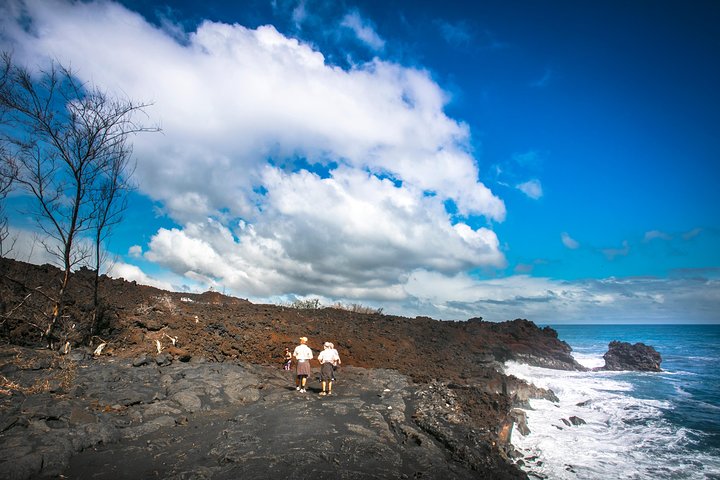
Hilo, United States
Listed starting prices may vary by option, travel date and group size. Confirm the final total and availability on Viator. Sponsored links: we may earn a commission from qualifying bookings.
GET TO KNOW THE PLACE
Green ridgelines fall to the sea here, and water keeps moving—over cliffs, through gullies and into coves that glint in the sun. The Hāmākua Coast makes for accessible micro-adventures: drive a dramatic stretch of shoreline, hop out for multiple short hikes, and still be back in Hilo for dinner. It’s a place where packing a day bag rewards you repeatedly.
Drive into early morning and the coastline feels deliberate: cliffs hold the ocean back while waterfalls thread the cliffs like bright seams. Geologically the Hāmākua Coast is older shield volcano flank—rock and soil that feeds lush ridgelines and allows streams to carve deep, green valleys. Human history layers on top: ancient Hawaiian settlements, marked trails and taro terraces, then plantation-era towns and bridges that tell of resource extraction and community resilience. When planning, allow time for short stops—many of the best viewpoints are five to twenty minutes from the road—and remember that cell service can be spotty in gulches.
From a practical perspective you can stack experiences easily. Morning light is best for east-facing waterfalls; mid-day can be humid in the fern-draped gullies but clearer offshore for views. If you plan to swim below a cascade, check local guidance and recent rain because currents and underwater hazards change after storms. Parking at popular pullouts is limited, so plan early starts or weekday visits to avoid jams. Roads along the coast are paved but narrow in sections, and some scenic spurs are rough; a vehicle with reasonable ground clearance is helpful if you intend to explore beyond main pullouts.
Wildlife nudges the itinerary too: seabirds wheel along the cliffs, and seasonally the ocean expands into whale habitat that you can watch from high overlooks. Cultural access matters—many shoreline and valley spaces are managed with respect for private property and customary use, so read signage and honor closures. For travelers who want to deepen the trip, weave local food stops and a market visit into your route; small communities on the Hāmākua are often where you’ll find the best fresh fruit and stories from long-standing families. Prioritize flexibility: weather can change quickly, and the best day is often the one that adapts.
PLAN YOUR VISIT
April, May, September, October, November
Spring and fall offer a balance of clearer skies and moderate rain; summers are warm with afternoon showers possible, and winter can bring more frequent storms and larger surf offshore. Expect rapid microclimate shifts between ridgelines and coast.
The busiest periods are winter holidays and summer vacation weeks; book accommodations and guided experiences in advance and plan to start activities early to avoid midday crowds.
Visiting in shoulder months gives quieter pullouts and better lodging rates; be cautious on muddy trails and avoid small-stream crossings after heavy rain due to elevated flow and slipperiness.
PACK WITH PURPOSE
FIND YOUR PACE
Advanced options involve steep descents, route-finding on less-traveled spurs, and multi-segment days that test fitness and judgment.
Beginner-friendly options include short, well-maintained waterfall walks and scenic drive pullouts with minimal elevation change.
Intermediate travelers can combine longer rainforest hikes, uneven terrain, and seaside exploration that requires steady footing and basic navigation.
BEFORE YOU GO
Short roadside hikes and overlooks are generally safe for self-guided visitors, but guided trips add local history, safer access at tricky sites, and logistics for remote or culturally sensitive areas.
Plan a full day to see several overlooks and do a couple of short hikes; half-days work for a single waterfall and viewpoint but feel rushed if you want to explore towns or markets.
Conditions vary; always check posted signage and local guidance, and avoid swimming after heavy rain when currents and underwater hazards increase.
Look for guided small-group tours that include transportation, or arrange a private driver; public transit options are limited for reaching many scenic pullouts.
Popular roadside trails are typically marked, but less-visited spurs can be faint and muddy; bring navigation and be prepared for uneven terrain.
Start early, pack a rain shell, check local forecasts before leaving, and have alternative activities (museums, markets) if heavy rain closes trails.