
Hilo, United States
East Big Island Waterfall Hike and Swim — Rainforest Trail to a Pristine Pool
from $99.99USD

VAYCAI · ATTRACTION GUIDE
Wailuku River State Park is a compact but atmospheric slice of Hilo where waterfall viewing, short jungle walks, and riverside vistas stack neatly into half-day or full-day itineraries. Pair morning waterfall viewing with an afternoon drive along the coast or a visit to local markets for a balanced day of outdoor time and Hawaiian culture.
Your guide to places, experiences, and adventures.
Get to know the place


THE GOOD STUFF STARTS HERE
Hilo, United States

Hilo, United States

Hilo, United States

Hilo, United States


Hilo, United States


Hilo, United States

Hilo, United States
Listed starting prices may vary by option, travel date and group size. Confirm the final total and availability on Viator. Sponsored links: we may earn a commission from qualifying bookings.
GET TO KNOW THE PLACE
A short walk from Hilo’s town center, Wailuku River State Park announces itself with the sound of falling water and a humid canopy that tucks you away from the town’s coastal bustle. The park’s compact trails and viewpoints make it an ideal stop for travelers who want a close look at Hawaii’s dramatic water-driven landscapes without committing to a full-day trek.
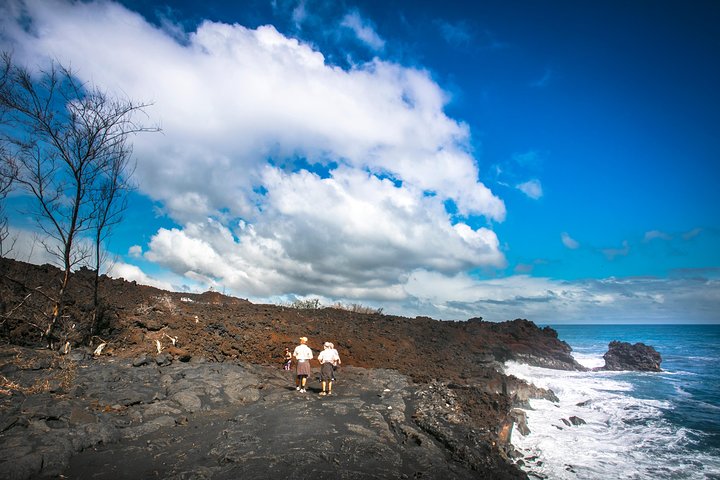
Step into the park and the river takes the lead: it carves, murmurs, and sometimes roars, depending on recent rains. The falls cascade over basalt ledges formed when successive lava flows cooled and fractured, giving the valley a layered geology you can see in profile. This area sits on ancient lava flows and younger ash deposits, so the ground underfoot alternates between solid rock and rich, fast-draining volcanic soil. That geology creates the steep headwalls that feed the river’s waterfalls and the lush pockets where native plants cling. The result is a place where geology and water work together to make dramatic, photogenic moments at every turn.
Wailuku River has been central to native Hawaiian life on this side of the island for centuries; it supplied water, fish, and a location for stories and ceremonies. Modern Hilo grew up around that resource, and visiting the falls and river means passing through layers of human and natural history. Local culture remains present—look for interpretive signs and nearby community gardens, and take time to learn how the river fits into contemporary Hawaiian stewardship efforts. Practically, the park is easy to reach from Hilo, so you can tack it onto a broader day that includes coastal viewpoints, a farmers’ market, or the museums in town.
Plan for short visits or a relaxed half-day: mornings are often clearer and cooler, while afternoons in Hilo bring higher chances of showers that can raise water levels quickly. Wear good traction footwear—wet basalt is slick—and keep a rain shell handy. If you want photos, the soft light of early morning and the immediate mist at the falls make for pleasing images, but be prepared to shelter electronics from spray. Prioritize energy and safety over getting the perfect angle: currents can be strong and riverbanks unstable after heavy rain, so obey signage and local guidance.
PLAN YOUR VISIT
April, May, September, October
Hilo experiences frequent trade-wind showers year-round, with drier windows in spring and early fall; showers can elevate water flow rapidly. Mornings are often clearer while afternoons tend to bring more convective showers.
Busiest visitation tends to cluster around winter holidays and summer travel periods; plan for early starts, book any accommodations in advance, and expect more competition for parking during peak days.
Visiting on weekdays or in shoulder months offers quieter trails and potentially better lodging rates; be mindful that off-season often means wetter conditions and muddier approaches, so choose routes accordingly.
PACK WITH PURPOSE
FIND YOUR PACE
For experienced outdoor travelers planning longer, skillful outings or technical days nearby.
Ideal for travelers seeking short, low-effort outdoor experiences with high visual payoff.
For those comfortable on uneven terrain and looking to extend a half-day into broader exploration.
BEFORE YOU GO
No, the main viewpoints and short trails are accessible without a guide, but a local guide can add cultural and ecological context if you want deeper insight.
Swimming near powerful falls and in river pools can be dangerous; follow posted signage and avoid entering the water after heavy rain or when currents look strong.
A focused visit can take 30–90 minutes; plan a half-day if you want to combine waterfall viewing with nearby stops in Hilo.
There is limited parking near the park and some state parks have modest parking or access fees; bring local currency or card and arrive early on busy days.
Some viewpoints are reached by short paved paths, but many areas have uneven surfaces and steps; check current accessibility details before arrival if mobility is a concern.
Move to higher ground away from riverbanks, avoid crossing flooded paths, and follow local advisories; heavy rain can change conditions quickly.