
Hilo, United States
East Big Island Waterfall Hike and Swim — Rainforest Trail to a Pristine Pool
from $99.99USD

VAYCAI · ATTRACTION GUIDE
Nāhuku (Thurston Lava Tube) is a short, dramatic detour from rainforest trails inside Hawaii Volcanoes National Park where geology and forest meet. Stack a tube walk with a crater rim drive, waterfall visits, and a beach stop to make a single day of varied terrain and views. It’s accessible for most travelers but rewards basic planning for weather and footing.
Your guide to places, experiences, and adventures.
Get to know the place


THE GOOD STUFF STARTS HERE
Hilo, United States

Hilo, United States

Hilo, United States

Hilo, United States


Hilo, United States


Hilo, United States

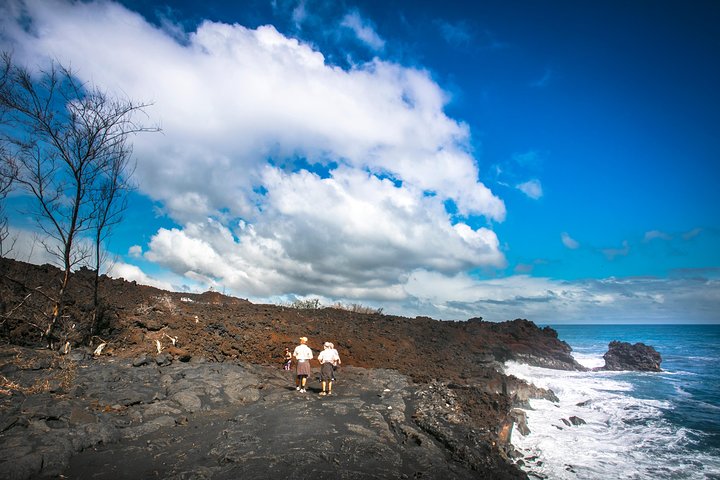
Hilo, United States
Listed starting prices may vary by option, travel date and group size. Confirm the final total and availability on Viator. Sponsored links: we may earn a commission from qualifying bookings.
GET TO KNOW THE PLACE
You step off a mossy trail and the forest seems to swallow sound; light softens and the air cools. Then the tunnel opens—blackened ceiling, mineral-streaked walls—and you’re walking through a tube left by molten rock, the earth itself having a story to tell. It’s an immediate, tactile encounter with volcanic process framed by native ohia and fern.
Nāhuku sits inside Hawaii Volcanoes National Park where Kīlauea’s flows and the island’s wet eastern climate meet. The tube formed when the surface of a lava flow cooled and hardened while molten rock continued to move beneath; when the flow drained, it left a hollow passage. That simple geological act becomes cinematic as you move from bright rainforest into the cave’s shaded hush. Interpretive signs at the site and park rangers nearby provide context, so a short visit feels educational as well as sensory. The forest around the tube is resilient and damp; ferns and dripping moss make paths glisten and the canopy hold light in slow drops.
History and cultural layers sit alongside geology. Native Hawaiian place names and stories are present in park signage and local tours; Nāhuku carries both a geological identity and cultural significance tied to the island’s creation narratives and stewardship values. Respect for the site—staying on paths, not touching formations when asked, and following seasonal rules—keeps the place healthy for visitors and for practices that local communities maintain. Timing matters here: early morning means fewer people and better light for photographs, while afternoon showers are common and can make surfaces slick.
Practical planning is straightforward but worth doing. The tube is a short walk from a small parking area, but popular windows—holiday mornings and midday on weekends—fill quickly. Combine the tube stop with a scenic drive through the park, a waterfall hike elsewhere on the Hilo side, or a late-afternoon beach visit. Footwear with grip, a light rain layer, and a headlamp or flashlight for the darkest stretch will keep the experience comfortable. If you’re building an itinerary, aim to pair the tube with other nearby highlights to maximize travel time on the island and to layer quiet forest time with expansive volcanic panoramas.
PLAN YOUR VISIT
April, May, September, October, November
Hilo-side weather is among the wettest on the island year-round; showers are frequent but often brief. Mornings tend to be drier, while afternoons bring higher chances of rain and low clouds.
The busiest periods are holiday weeks and summer travel months; during those times, arrive early, allow extra time for parking, and book accommodations in advance.
Visiting on weekdays or in shoulder months offers quieter trails and lower lodging demand, but expect muddier approaches and take care on slick surfaces.
PACK WITH PURPOSE
FIND YOUR PACE
Full-day backcountry trips or technical routes that demand navigation and endurance.
Short walks and interpretive stops that require minimal fitness and offer big sensory payoff.
Longer hikes and combined outings that pair forest trails with crater-view points and waterfall visits.
BEFORE YOU GO
No, the lava tube is accessible as a self-guided stop with interpretive signs, but guided tours add cultural and geological context if you prefer a deeper experience.
Plan 30–90 minutes for the lava tube itself depending on your pace and photography, and longer if you combine it with nearby park viewpoints or hikes.
Families can enjoy the tube, but the path includes uneven, sometimes wet sections; strollers may be difficult beyond the initial approach.
Hawaii Volcanoes National Park has a standard park entrance fee; check the National Park Service site for the latest fee structure and any permit requirements for backcountry travel.
Watch for slick surfaces, low ceilings in parts of the tube, and variable weather. Bring good footwear, a light, and obey posted closures or ranger instructions.
The tube is within a driveable distance from Hilo—most visitors reach it by car as part of a park visit; public transit options are limited, so plan private transport or a tour.