
Hilo, United States
East Big Island Waterfall Hike and Swim — Rainforest Trail to a Pristine Pool
from $99.99USD

VAYCAI · ATTRACTION GUIDE
Mauna Kea pairs a rugged summit drive and high-elevation hiking with world-class stargazing at the observatories. Stack a morning at the Visitor Information Station, an afternoon exploring Hilo’s forested waterfalls, and a guided summit or sunset stargaze for a complete island-to-space experience.
Your guide to places, experiences, and adventures.
Get to know the place


THE GOOD STUFF STARTS HERE
Hilo, United States

Hilo, United States

Hilo, United States

Hilo, United States


Hilo, United States


Hilo, United States

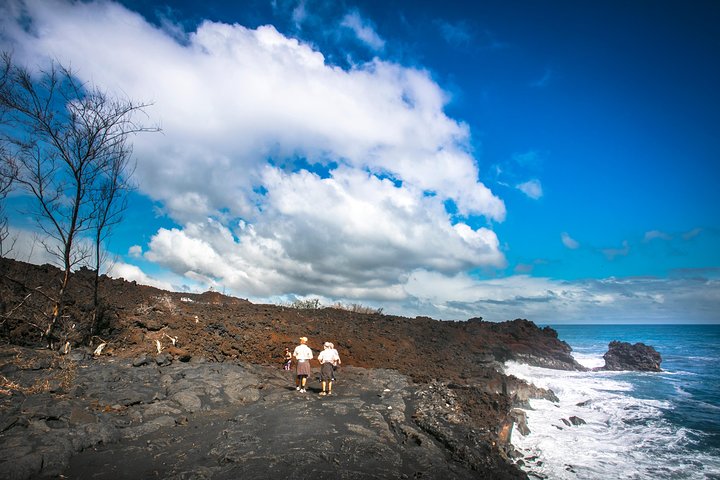
Hilo, United States
Listed starting prices may vary by option, travel date and group size. Confirm the final total and availability on Viator. Sponsored links: we may earn a commission from qualifying bookings.
GET TO KNOW THE PLACE
Standing at the island’s spine, Mauna Kea rises from Pacific humidity into a thin, cold world where telescopes crowd the ridge and stars feel within reach. The contrast between lush Hilo and the summit’s lunar crust makes this a special stackable adventure—easy waterfall days below, high-elevation astronomy above.
Geology and history are written in layers here. Mauna Kea is a dormant shield volcano whose broad slopes have built much of Hawaii Island; its summit is a baked, pumice-strewn terrain that holds snow in winter and clear nights the rest of the year. Native Hawaiian cultural ties to the mountain are deep and ongoing. Visitors should approach the area with respect—there are cultural and environmental sensitivities at play, and some sites are treated as sacred. The observatories add a modern chapter: they’re active scientific facilities that study everything from planets to distant galaxies, which is why access and operations are managed carefully. When you stand at the edge of the summit road, the mountain feels like a giant, patient host, offering perspective in quiet, bright air.
Practical planning shapes the visit. The Mauna Kea Visitor Information Station at mid-elevation is the usual acclimation point: stop there first, spend time, and ask questions. Above that, the road becomes steeper and frequently requires a high-clearance vehicle; many travelers opt for guided tours that handle logistics, permits, and safety. Altitude is real—shortness of breath, headache, or dizziness are common if you go straight from sea level to nearly 14,000 feet. Plan to move slowly, hydrate, and limit exertion your first few hours. Weather can flip from sun to wind or snow with little warning, so layers and contingency plans are essential. For photographers and astronomers, the payoff is unmatched: firm skies and domes punctuating a star-scarred vault.
Time your trip to stack experiences efficiently. Base your nights in Hilo for waterfalls and rainforest hikes, then schedule a summit or stargazing night when you’ve given your body a little time to adjust. Consider sunrise or sunset tours to catch the mountain in its sharpest light; daytime summit visits highlight the volcanic landscape. Respect local guidelines—stay on marked roads and trails, follow parking and access rules around observatories, and treat cultural sites with care. With thoughtful planning, Mauna Kea can be both an accessible highlight and a humbling, adventurous high point of a Hawaii trip.
PLAN YOUR VISIT
April, May, September, October
Trade winds and clearer skies are common in late spring and early fall, while winter months can bring storms and occasional summit snow; summit conditions are colder and drier than coastal Hilo.
Busiest times are holiday periods and summer vacations; book guided tours and lodging in advance and start high-elevation activities early to avoid crowds and afternoon weather shifts.
Visiting in shoulder seasons offers lower rates and fewer people; be aware that wet-season trails around Hilo can be muddy and summit access may be limited or more hazardous in winter storms.
PACK WITH PURPOSE
FIND YOUR PACE
Advanced adventurers pursue summit hikes or technical trips with high-altitude camping skills and careful acclimation planning.
Beginners can enjoy lower-elevation waterfall walks, Visitor Information Station programs, and guided stargazing without attempting the summit drive.
Intermediate travelers can combine higher-elevation scenic drives with longer daytime hikes and photography sessions while monitoring altitude effects.
BEFORE YOU GO
You don't always need a guide, but many visitors choose guided tours because the road and altitude require experience; guides handle logistics, safety briefings, and local rules.
Acclimate at the Visitor Information Station, hydrate, avoid heavy exertion for the first few hours at elevation, and consult your doctor about medications if you have health concerns.
Some summit roads require high-clearance or four-wheel-drive vehicles and rental companies may have restrictions; verify vehicle requirements with your rental agency and consider a guided transfer.
A typical visit stacks an acclimation stop and visitor station for a few hours plus an evening stargazing or summit tour; consider a two- to three-day window to fit waterfall hikes and flexibility for weather.
Have a rain or wind pivot, such as rainforest hikes, waterfall visits, or cultural sites near Hilo; guided operators will offer alternatives if conditions prevent summit access.
Yes—Mauna Kea is culturally significant to Native Hawaiians; show respect by following signage, avoiding restricted sites, and listening to local guidance during visits.